

Melbourne’s Trusted
Home Plumbing Experts
Sewer Drain Repairs & Replacements Melbourne

 VBA Licensed Insured
 Master Plumbers Member
 Fixed Upfront Pricing
 Local Family Owned

Sam & Natasha
Founders, Your Choice Plumbers
Melbourne’s Trusted
Home Plumbing Experts
Sewer Drain Repair / Replacement Melbourne
Recurring sewer blockages, overflowing ORGs, or collapsed boundary traps often mean structural damage underground. We diagnose it properly and repair it properly.

Sam & Natasha
Founders, Your Choice Plumbers
VBA Licensed Insured
Master Plumbers Member
Fixed Upfront Pricing
Local Family Owned
Which Sewer Drain Problem Sounds Most Like Yours?


Sewer Drain Repairs & Replacements Work in Melbourne
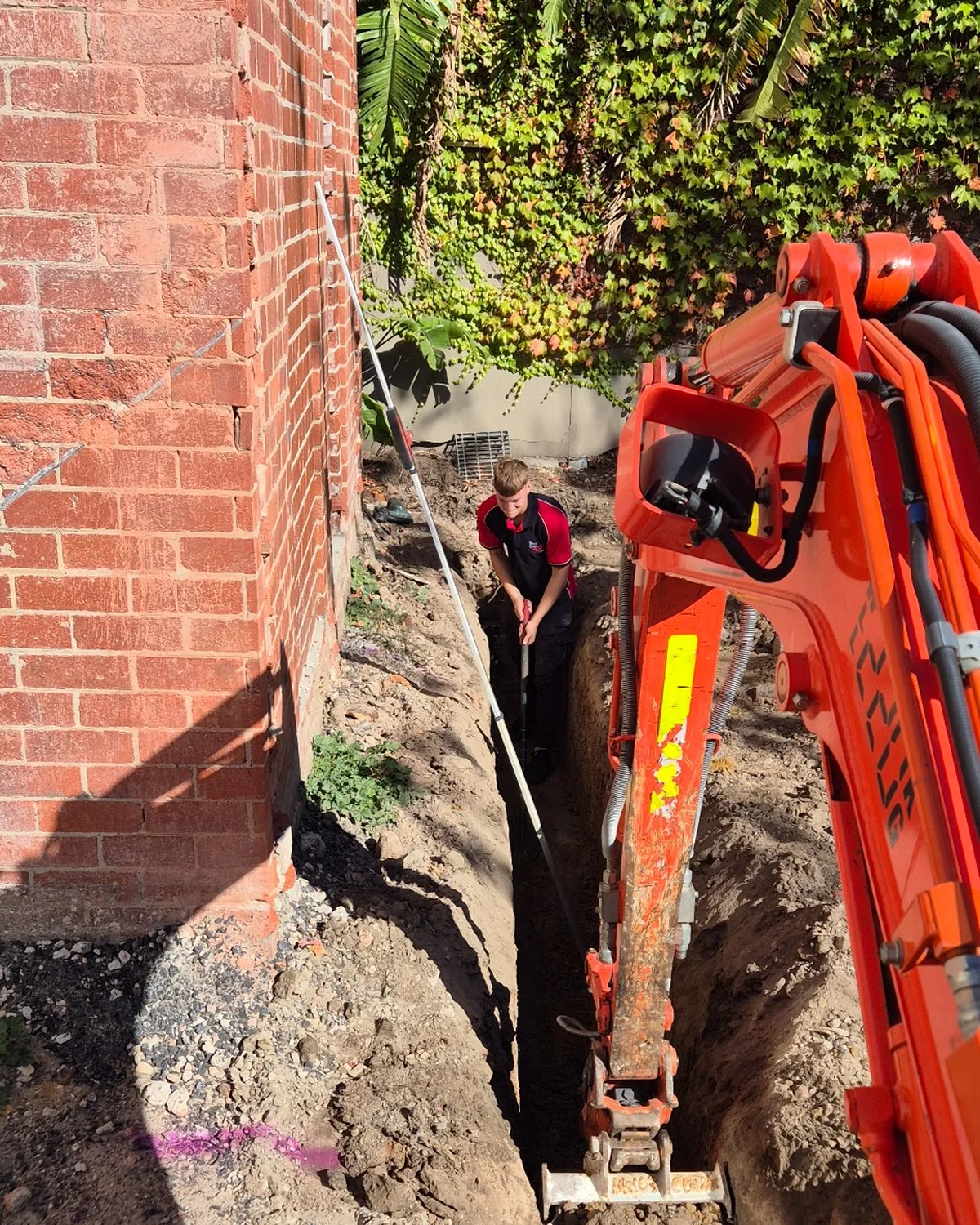
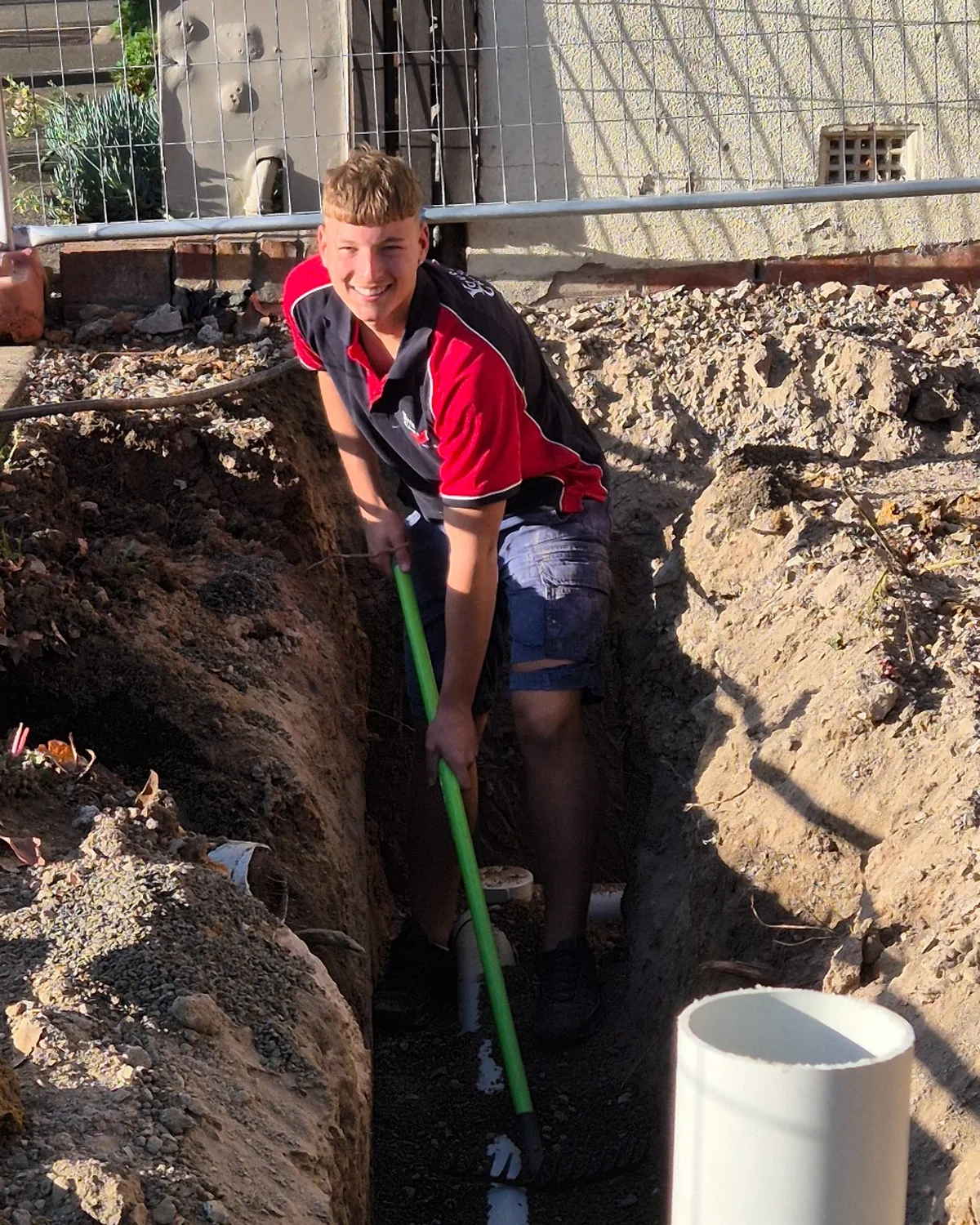
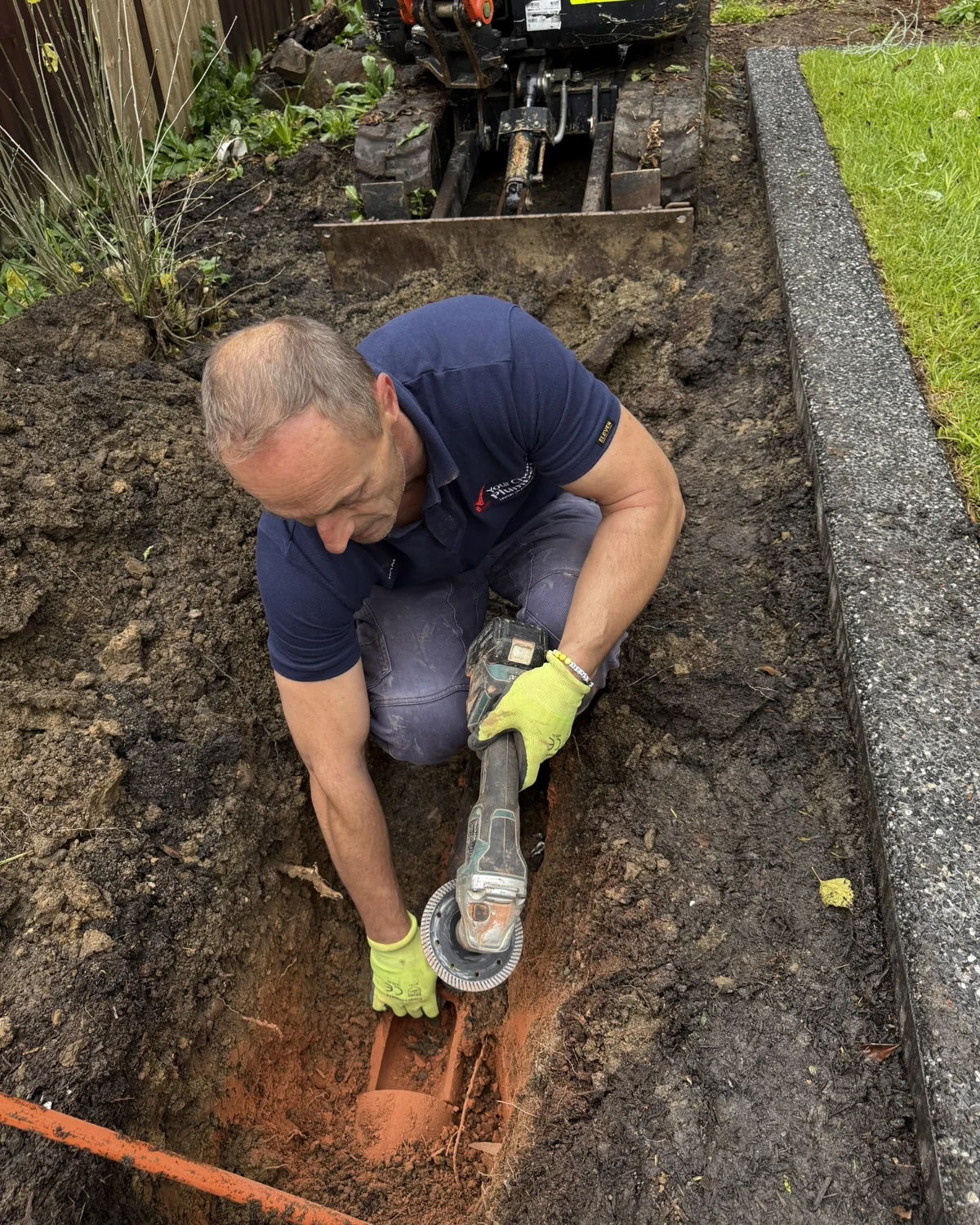
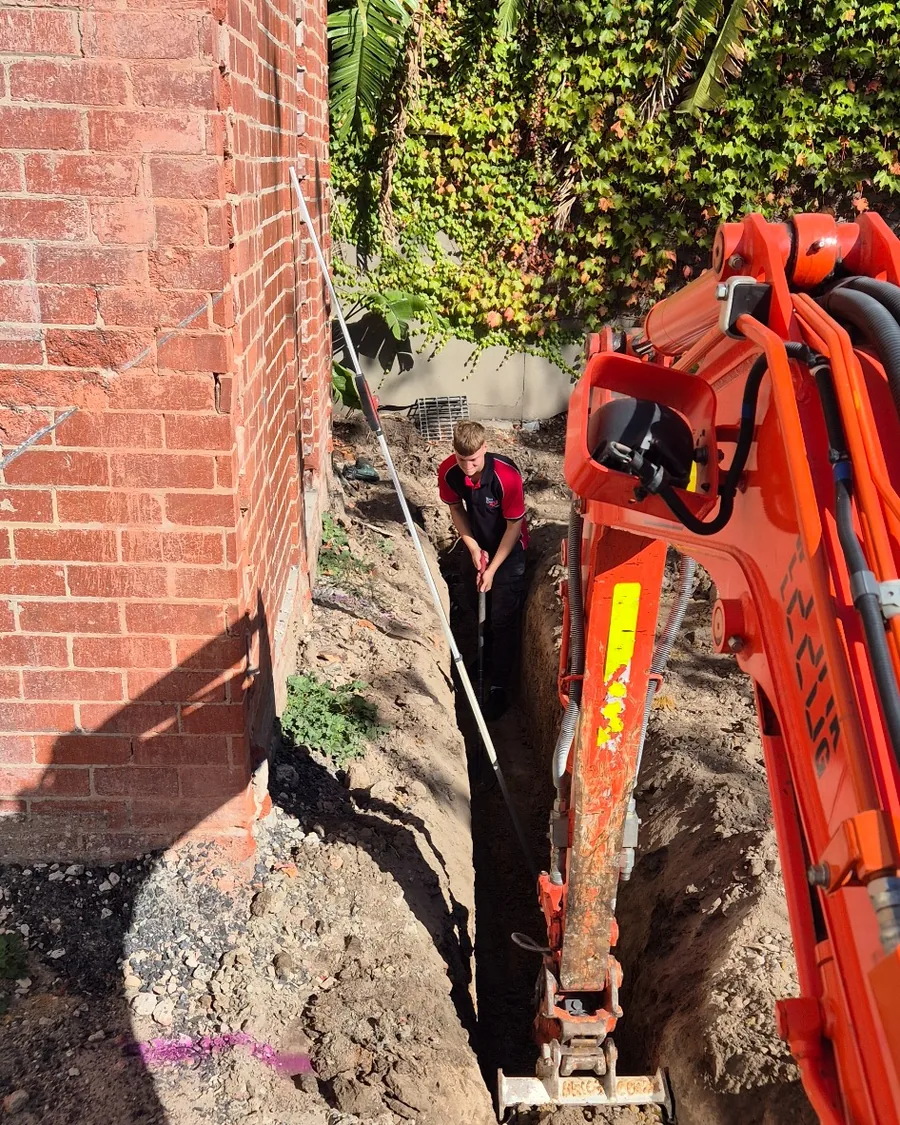
Sewer Drain Repairs & Replacements Melbourne
If your sewer keeps blocking, your ORG is overflowing, or a CCTV inspection has found a broken line, you likely need sewer drain repair in Melbourne rather than another temporary clear. Your Choice Plumbers diagnose the fault properly, explain whether repair, sewer pipe replacement, or full sewer drain replacement is needed, and carry out compliant structural sewer work designed for a long-term result.
Not every sewer problem needs full replacement. Some jobs need a targeted repair only — the key is diagnosing whether the pipe is simply blocked, locally failed, or structurally too damaged for another temporary fix.
What should I do if my sewer blockage keeps coming back?
If the same sewer blockage returns, stop treating it like a simple clog. Recurring sewer blockages usually mean there is pipe damage, root entry, a failed junction, or a collapsed section that needs proper investigation.
Is an overflowing ORG or boundary trap an emergency?
Yes, it should be treated seriously. Overflow outside the home means the sewer is under pressure and can no longer discharge properly, which can escalate into broader drainage failure, contamination, and damage around the property.
I need a sewer repair plumber near me — what happens first?
We start with diagnosis. That may include checking the boundary trap, ORG, inspection openings, sewer levels, and where needed a CCTV inspection to confirm whether the issue is a blockage, a broken connection, or a collapsed sewer section.
Can a broken sewer drain be fixed the same day?
Some repairs can begin quickly, especially if the fault is clearly identified and access is straightforward. More complex structural jobs may require permits, inspections, excavation, and reinstatement depending on location, depth, and severity.
What if the sewer is overflowing outside near the house?
Stop heavy water use and arrange assessment as soon as possible. Overflow near the home can indicate a failed sewer connection, collapsed ORG, or boundary trap problem that may also start washing away supporting soil.
5-Star Trust: What Our Local Customers Say About Sam, Natasha & The Team
Real Sewer Drain Repair in Parkdale
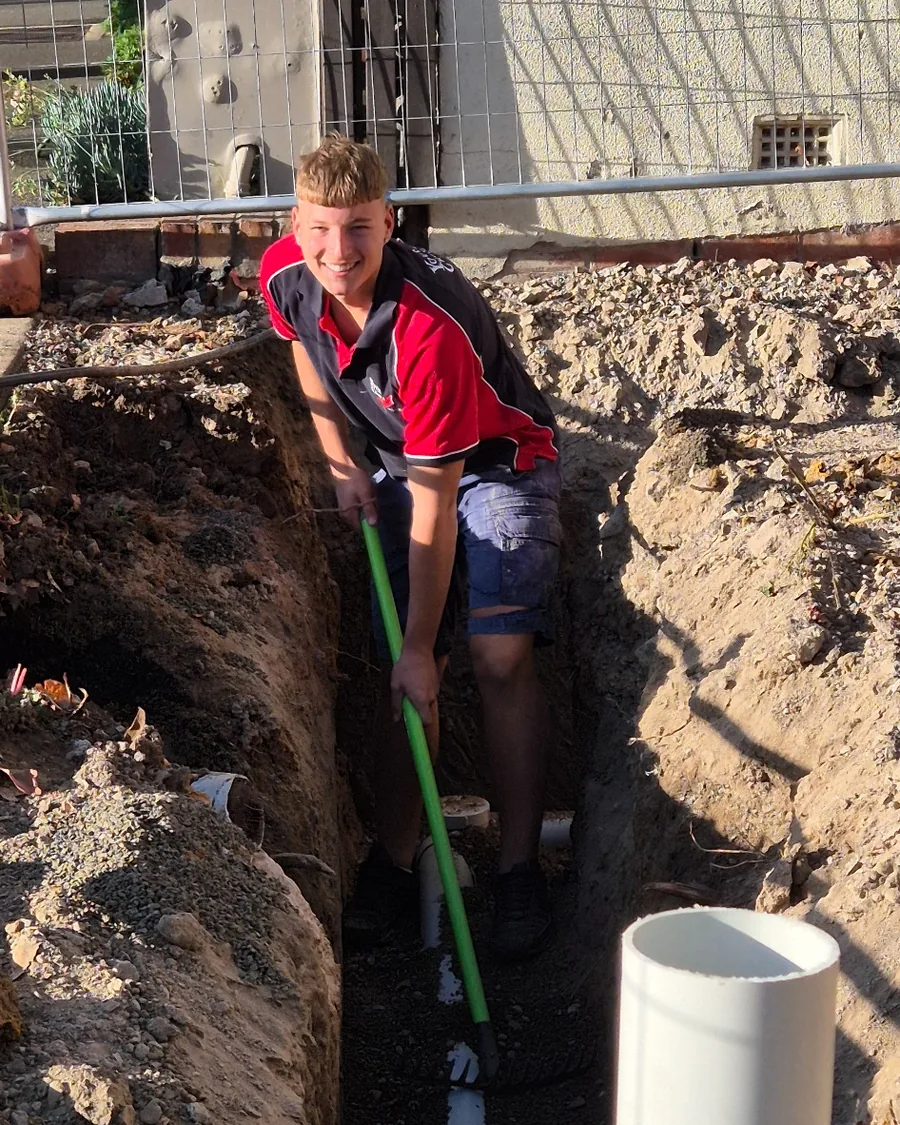
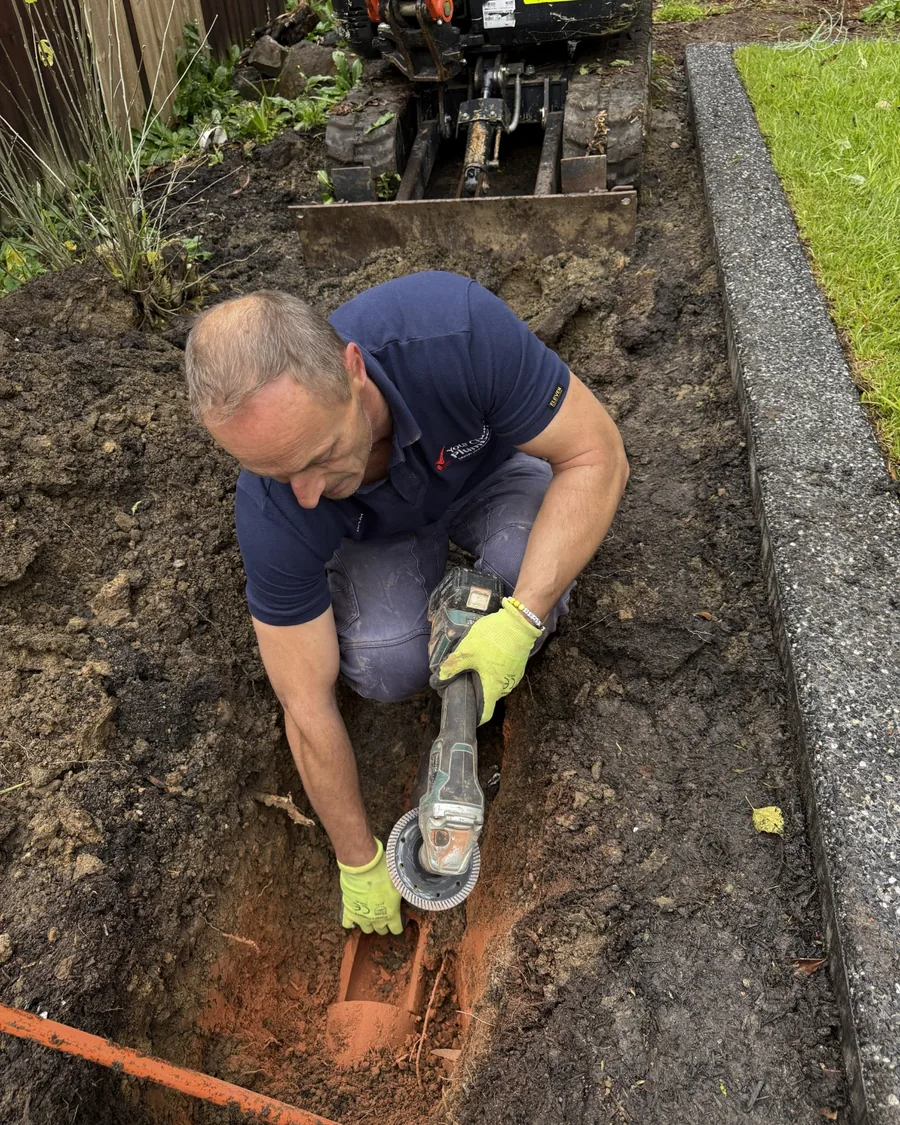
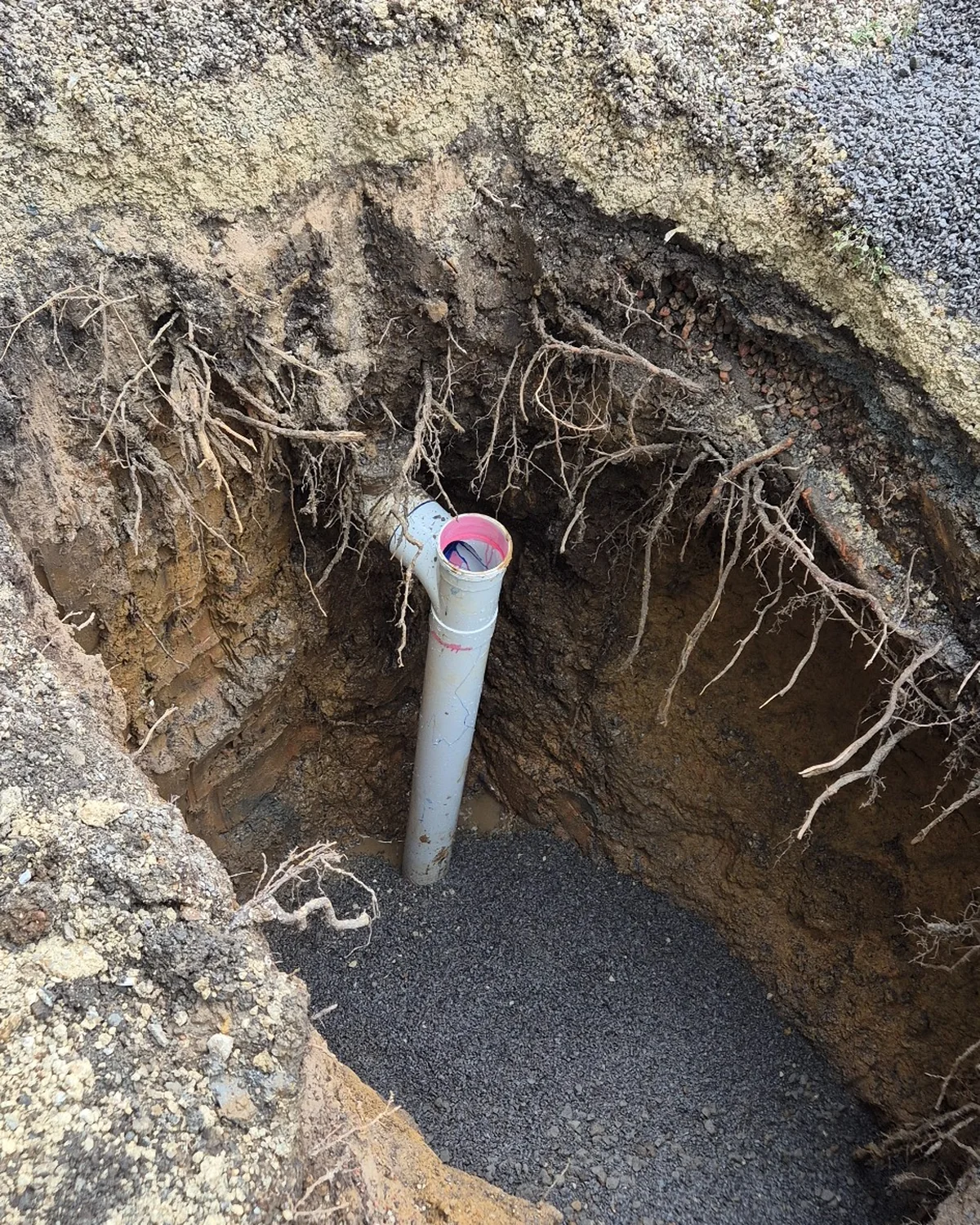
This real Parkdale sewer repair shows how damaged terracotta pipework and a failed boundary trap were exposed, removed and rebuilt to restore a reliable sewer connection. It demonstrates the type of structural repair required when recurring blockages are caused by cracked, shifted or unsupported drainage rather than a simple obstruction.
When Does a Sewer Drain Need Structural Repair?
Structural sewer repair may be needed when the same blockage keeps returning after cleaning, CCTV shows cracked or shifted pipework, tree roots are entering through damaged joints, or movement has affected a boundary trap or junction. Proper CCTV drain inspection and fault locating help confirm where the defect is and whether a targeted repair, boundary trap replacement or larger sewer drain replacement is the appropriate long-term solution.
5-Star Trust: What Our Local Customers Say About Sam, Natasha & The Team
How the Sewer System Runs Through Your Property
Before replacing a damaged sewer drain, it helps to understand how wastewater travels from your home to the water authority sewer, where the boundary trap sits, and which sections are the homeowner’s responsibility.
Typical Melbourne Home Sewer Drainage Layout
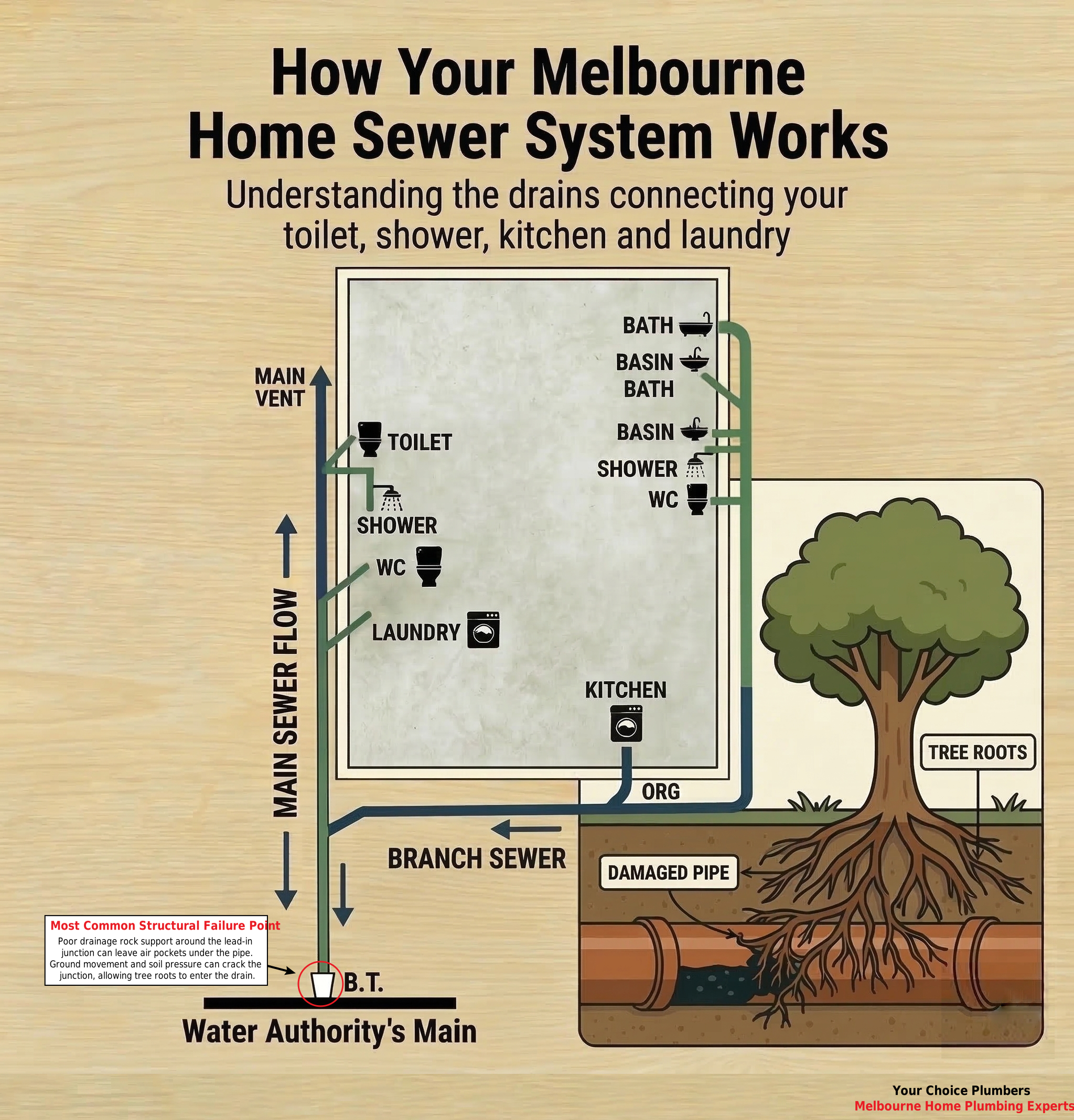
This diagram shows how wastewater from toilets, bathrooms, kitchens, and laundries typically flows through the house drain before connecting to the boundary trap and main sewer connection.
Boundary Trap Connection, Common Failure Points, and Responsibility Lines
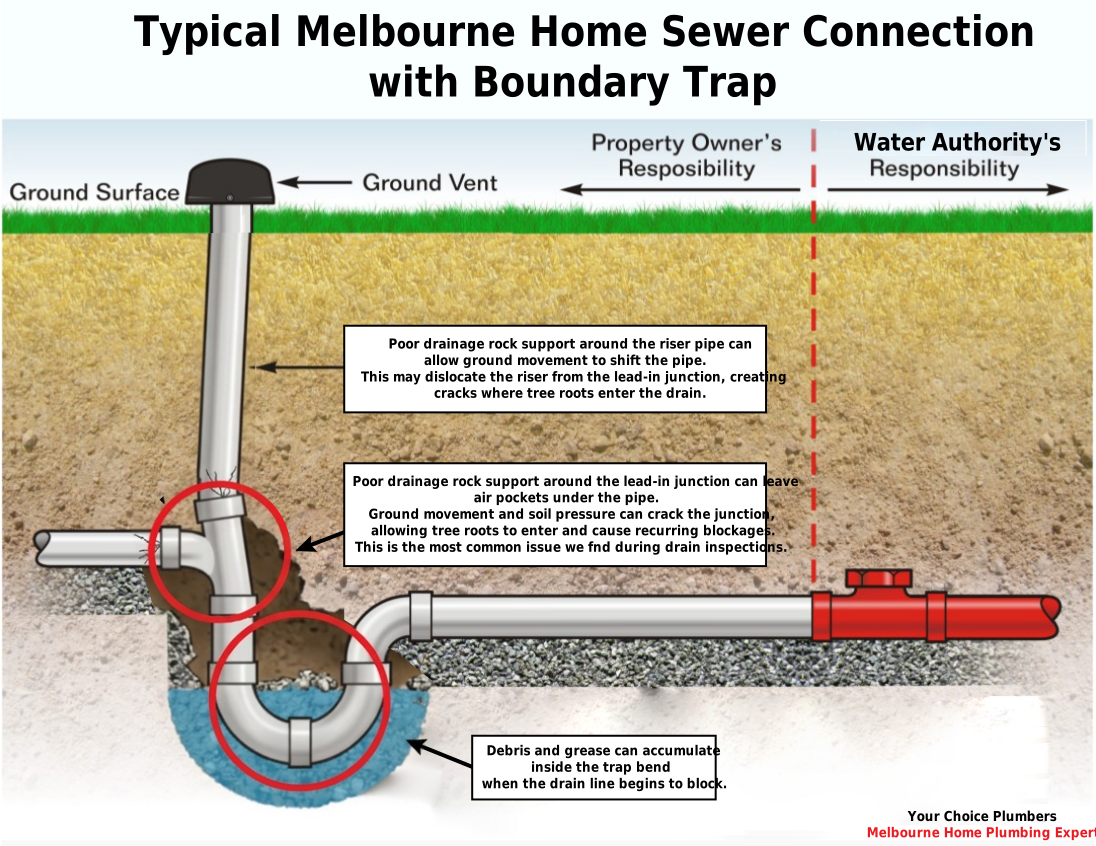 This diagram explains where the boundary trap sits, the most common structural failure points, and where responsibility usually changes from the homeowner’s sewer drain to the water authority connection.
 Sewer Drainage Diagram
Typical Melbourne home sewer drainage system showing fixture waste paths, main sewer flow, and common blockage points.
Stormwater Drainage Diagram
Typical Melbourne home stormwater drainage system showing downpipes, underground lines, and discharge path.
Boundary Trap Sewer Connection Diagram
Boundary trap sewer connection showing relief, venting, and why blockages often cause gurgling or overflow.
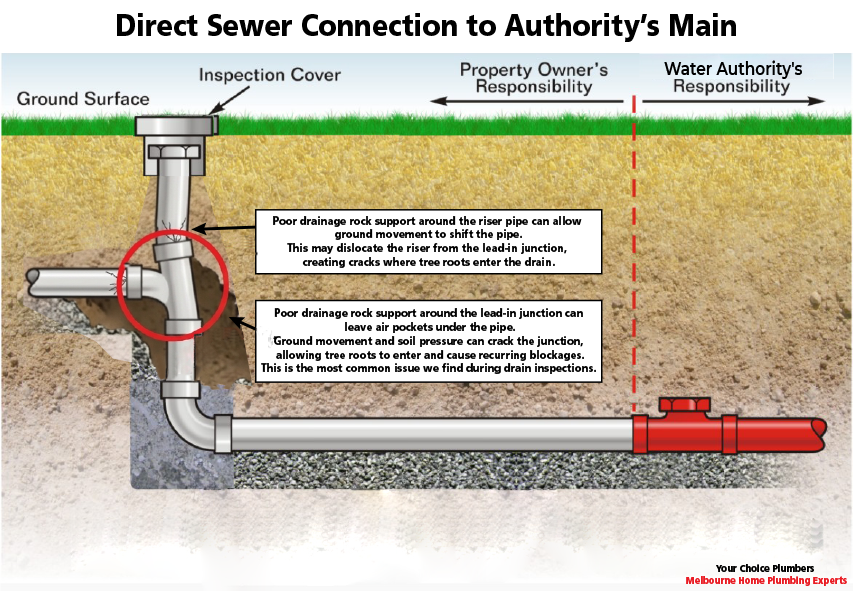
Direct Sewer Connection Diagram
Direct sewer connection layout showing how sewer flow behaves where no boundary trap system is present.
Sewer Drain Repair Problems We Diagnose and Fix

Sewer Blockage Keeps Coming Back
This is one of the most common issues we see on older Melbourne sewer systems, especially where the drain has already been “cleared” before. What seems like a stubborn blockage is often actually a damaged section of sewer that keeps trapping waste and dragging the problem back.
What you’re experiencing:
Likely causes
The most common causes are root intrusion through cracked terracotta joints, a broken sewer connection near the boundary, a partial collapse, or a section that has shifted and created a lip inside the line. In older Melbourne homes, particularly 1950s to 1970s properties, we also see boundary trap outlet cracks and lead-in junction movement that allow effluent to leak and bedding to wash away. Once the bedding support starts disappearing, the pipe loses alignment and recurring blockage becomes much more likely.
What we typically find on-site:
We often find cracked terracotta pipework, root entry through joints, a broken sewer connection, or movement at the boundary trap area that keeps catching waste and paper. We also see situations where wipes, paper, and sewer solids build up more easily because the pipe has already shifted or partially collapsed. In homes on stumps, the fixtures may still appear to drain for a while because the raised floor level gives temporary fall, but the sewer outside is already under pressure and close to surcharge. We also sometimes find mismatched older clay joined into newer UPVC sections, where the join becomes the weak point and starts holding waste. In jobs like Glen Iris and Malvern East, the repeated nature of the blockage was the real clue that the system needed more than another temporary clear.
Quick check:
Think about the pattern. If the same sewer line has blocked more than once, especially within months, or if the toilet still sort of flushes but you are seeing gurgling or overflow outside, that is a strong sign the system needs proper diagnosis before another clear.
Why it matters:
Repeated sewer surcharge can lead to overflow outside, loss of use inside the home, wastewater contamination, and washout around the damaged section. If the defect sits near a path, driveway, side access, or boundary trap, the surrounding ground can soften and the repair can become more involved the longer it is left.
What happens if ignored:
The drain often becomes harder to clear, more unstable, and more expensive to fix properly. A sewer that only blocks “every now and then” can eventually turn into a full overflow event involving the boundary trap, ORGs, side path, or lowest outdoor relief point around the house, along with hygiene issues and disruption to toilets, showers, and basins inside.
If your sewer blockage keeps returning, do not keep spending money on the same temporary result. A proper inspection now can confirm whether you need a targeted repair, boundary trap replacement, or a more permanent sewer drain replacement before the next overflow happens.
This is also where our Blocked Drains Melbourne and CCTV Drain Inspection & Location help homeowners confirm what is really happening underground.

CCTV Found a Broken or Collapsed Sewer
We get called to this problem all the time after a difficult unblock or camera inspection has already shown something serious. What seems like the end of the diagnosis is often just the start — once CCTV has confirmed damage, the real question becomes whether the sewer needs targeted repair or full replacement.
What you’re experiencing:
Likely causes
In many Melbourne homes, especially older ones, terracotta sewer drains have simply reached the end of their useful life. Some collapse due to root pressure and long-term washout around the pipe. Others fail because the connection points have moved, the bedding has eroded, or a previous weak repair never properly restored structural support. Where the sewer runs under a driveway or old paving, added loading over time can also make an already weakened pipe let go.
What we typically find on-site:
We often see the camera show the classic signs of structural failure: a step in the line, a root mass at a cracked joint, muddy water entering from outside the pipe, or the image disappearing into a broken section where the line has lost shape. On more severe jobs, the jetter may start bringing back clay or mud, which is exactly the kind of evidence that points to a collapse rather than a routine blockage. We also see old clay sections tied into newer PVC repair sections where the surrounding line has continued moving and the old-to-new transition becomes unstable. In Glen Iris, the drain failure was only fully understood once locating, jetting behaviour, and what came back on the equipment all lined up with a broken section underground.
Quick check:
Ask whether the CCTV showed a clear defect location and whether the sewer has already had repeated clearing history. If both are true, there is a strong chance the damaged section needs structural work rather than ongoing maintenance.
Why it matters:
A broken sewer can escalate from nuisance blockages into overflow, pipe washout, unstable bedding, foul smell, and wider property disruption. It can also keep pulling in roots and debris until the sewer becomes slower, dirtier, and harder to clear each time.
What happens if ignored:
The damaged section often gets worse under ground movement and daily use. What starts as a contained repair can become a deeper excavation, a longer sewer pipe replacement section, more reinstatement, and more disruption to paths, lawns, driveways, or landscaped areas.
If CCTV has already found a broken or collapsed sewer, the next step is not guesswork — it is a clear plan for the structural repair. Getting that confirmed early usually saves homeowners from repeated blockages, emergency overflow, and a larger excavation later.

Boundary Trap or ORG Has Failed
We see boundary trap and ORG failures often on older Melbourne sewer systems, and homeowners are usually surprised by how important these points really are. What seems like overflow in one outside spot is often actually the system telling you the main sewer can no longer discharge or relieve pressure properly.
What you’re experiencing:
A failed boundary trap or overflow relief gully is one of the most important sewer problems to diagnose properly because these are critical points in how the property sewer discharges and relieves pressure. Homeowners usually notice this as sewer overflow outside, gurgling inside, bad smells, or wastewater appearing near the house, side path, or driveway. In some homes, the toilets still partly work, which makes the issue seem smaller than it really is. Voice-style searches here are often “what is a boundary trap,” “what is an overflow relief gully,” or “boundary trap or ORG has failed Melbourne.”
Likely causes:
The most common causes are a collapsed terracotta boundary trap, cracking at the outlet connection, movement at the lead-in junction, or an ORG area that has become damaged and unstable over time. In Melbourne, we regularly see old clay components that have been weakened by tree roots, repeated jetting against already damaged fittings, or long-term seepage that has gradually washed support away. Once the outlet side of the boundary trap, property sewer connection point, or nearby sewer branch starts failing, the whole drainage system becomes more likely to surcharge at that point.
What we typically find on-site:
We have seen repeated blockages where the boundary trap was the real failure point all along, and jobs where the ORG was showing surcharge because the sewer could no longer discharge freely downstream. In Oakleigh and Malvern East, the real issue was not simply “a blocked drain” — it was a failed terracotta boundary trap area that needed proper replacement and compliance handling. In other homes, especially bungalow-style houses on stumps, the internal fixtures can still discharge for a while because the building sits higher than the outside relief points, so overflow outside becomes the first major warning sign. This is also why homeowners can be confused when the drains are still sort of working even though the main sewer is already in trouble.
Quick check:
Watch whether overflow appears at the same outside location whenever the sewer backs up. If it does, that repeated location often tells us the failure is localised to a critical sewer connection point rather than being random across the whole yard.
Why it matters:
These failures can lead to repeated surcharge, contamination around the home, foul smell, and loss of support around the damaged area. If the sewer is escaping at the trap outlet or ORG zone, it can start washing away surrounding soil and destabilising nearby surfaces.
What happens if ignored:
The surrounding structure can continue to soften and move, the surcharge events can become more frequent, and the repair can progress from a contained structural job into a broader excavation with more reinstatement. Left too long, these failures can also increase the risk of cracking or movement in nearby paving, driveways, side paths, and low areas beside the house.
If your boundary trap or ORG has failed, another temporary unblock is rarely the right long-term answer. A proper sewer repair assessment now can confirm the exact failure point, the permit pathway if needed, and the safest permanent repair before the next overflow event.

Old Sewer Drain Has Cracked or Shifted
We get called to old sewer systems all the time where the real problem is age, movement, and gradual failure rather than one single blockage. What seems like “just another issue with an old house” is often a sewer line that no longer has enough structural integrity left to keep repairing bit by bit.
What you’re experiencing:
Older sewer drains often reach a point where repeated maintenance is no longer worthwhile. If the line is original terracotta, has shifted through age and ground movement, or has cracked in more than one section, a temporary patch can become false economy. Homeowners usually notice this through a history of intermittent sewer trouble, multiple callouts over time, slow drainage under heavy use, or a sewer line that clears but never seems fully right. Common searches here include “old terracotta sewer drain cracked Melbourne,” “terracotta sewer pipe replacement Melbourne,” “repair or replace old sewer pipe Melbourne,” and “who repairs collapsed sewer drains in Melbourne.”
Likely causes:
In many Melbourne homes, the old sewer line starts failing at the joints first. Tree roots enter, the quarter-minus bedding or surrounding support weakens, and sections begin moving out of alignment. In other cases, a cracked junction or unstable connection near the boundary trap creates an ongoing weak point that keeps dragging the whole system back into trouble. Ground movement, ageing clay materials, saturated soil, and old installation patterns all contribute to this.
What we typically find on-site:
We often find original clay sewer drains that are no longer round or true, sections that have sunk slightly and created a belly, or joints that have separated enough to let in roots and soil. On some properties the failure sits under a path, side access, or driveway where the homeowner has had no idea the pipe beneath has been gradually deforming for years. We also sometimes find an old clay line partly repaired in the past with newer UPVC, but the unrepaired sections on either side have kept failing. Where a home has seen repeat blockage history plus an ageing line, the job is often less about another unblock and more about deciding how much of the sewer needs renewing for a reliable result.
Quick check:
Think about the age of the home and whether sewer problems have become more frequent over the last few years. Older properties with original drainage are much more likely to have aged pipework that now needs section repair or sewer replacement Melbourne homeowners can rely on, instead of another temporary attempt.
Why it matters:
Cracked or shifted sewer drains can deteriorate quietly until they cause overflow, excavation urgency, damage to nearby surfaces, or broader drainage disruption. Once the line starts losing shape, each blockage, jetting event, and rainfall cycle can help the damage progress.
What happens if ignored:
The job often grows from a contained repair into a larger restoration. A homeowner who delays because the sewer is “still sort of working” can end up dealing with a longer sewer drain replacement section, more yard or paving disturbance, and more cost once the drain finally gives way completely.
If your old sewer drain is too damaged for another temporary repair, a targeted inspection can show whether a section replacement or more complete sewer renewal is the smarter long-term spend. That gives you a plan based on the actual condition of the line, not guesswork.
What Causes Sewer Drain Failure in Melbourne Homes?
Aging Terracotta Sewer Pipes
Many older Melbourne homes still have original terracotta sewer drains. These can crack at the joints, shift out of alignment, or become brittle enough to fail under normal ground conditions. Once the pipe opens up, roots and debris begin using that weakness against the system. This is especially common in post-war homes and older brick veneers where the original drainage layout is still in service decades later.
Tree Root Intrusion at Weak Points
Roots usually do not create the first defect — they exploit one that is already there. Once they enter a cracked joint or damaged connection, they trap waste, slow the line down, and make recurring sewer blockages much more likely. In many Melbourne suburbs with mature gardens and large boundary trees, roots are a major accelerant of failure rather than the sole cause.
Boundary Trap and Junction Movement
Boundary traps, lead-in junctions, and older sewer connection points are common failure zones. These areas take structural load and can gradually destabilise, especially when effluent starts escaping and washing away support material. Once movement starts at these connections, the sewer often begins blocking more frequently and surcharging at the same outside point.
Repeated Temporary Clearing Without Structural Repair
A drain that has been cleared several times without correcting the damaged section often keeps failing. That is why we treat recurring sewer blockages, ORG overflow, and repeated gurgling as strong diagnostic signs rather than isolated events. If the problem is still mainly one of blockage rather than structural damage, our Hydro Jet Drain Cleaning Melbourne page explains how proper clearing fits into the broader solution path.
Soil Washout and Loss of Pipe Support
Once wastewater begins escaping from a cracked sewer, the surrounding soil and bedding can gradually wash away. That loss of support is one of the biggest reasons a crack turns into a bigger collapse, particularly around boundary traps, junctions, and connections near the water authority line.
How We Diagnose, Repair, or Replace a Broken Sewer Drain
Step 1 — Diagnose the Sewer Properly
We start by checking the symptoms, likely failure point, and condition of the sewer system. Depending on the job, this may include inspection openings, ORG levels, boundary trap checks, and CCTV confirmation of where the damage is and how severe it is. If the sewer is repeatedly blocking, gurgling, or overflowing outside, we want to know whether the issue is upstream, downstream of the boundary trap, or sitting at a structural weak point that keeps recreating the same problem.
Step 2 — Confirm Whether Repair or Replacement Is the Right Option
Not every sewer issue needs full replacement. Some jobs involve a targeted section repair, while others need boundary trap replacement, junction reconstruction, or full replacement of the failed section. We explain the findings clearly so you understand what is actually being fixed and why. This is important for homeowners deciding between another temporary clear and a permanent fix for a recurring sewer blockage Melbourne property.
Step 3 — Manage Compliance and Excavation
Where underground drainage repair is required, we handle the correct compliance pathway, including the permit and inspection process where applicable. We excavate carefully, expose the failed section, carry out the sewer repair or replacement, and prepare the installation to meet structural standards. On jobs involving a boundary trap or authority connection area, this step is critical because the quality of the bedding, grade, and support affects whether the repair lasts. We also explain likely access and reinstatement requirements before work begins so homeowners understand what will be opened up and what the finished result should look like.
Step 4 — Reinstate and Restore Safe Flow
Once the sewer line has been repaired and approved where required, we backfill correctly, reinstate the affected area, and make sure the system is discharging properly again. The goal is not just to restore use today, but to provide a durable sewer repair Melbourne homeowners can rely on long term, with less risk of repeat blockages, overflow, and structural movement around the repaired section. Good sewer replacement Melbourne work is not just about the new pipe — it is also about controlled excavation, proper support, and leaving the area sound when the job is complete.
Sewer Drain Repair / Replacement Melbourne – Real Case Studies & Results from Sam, Natasha & The Team
Sewer Boundary Trap Replacement Passed Inspection in Oakleigh VIC 3166
At an Oakleigh home, frequent sewer blockages were traced to a collapsed terracotta boundary trap in the backyard. The repair required the correct emergency sewer permit, underground drainage inspection booking, and a compliant sewer boundary trap replacement. Our team replaced the failed boundary trap connection, lead-in junction and multi-vent sewer shaft cover, with the work inspected for correct pipe fall, bedding, backfill and structural concrete support before approval to backfill. This is a strong example of sewer drain repair being done properly, not just quickly. Read more: Sewer boundary trap replacement in Oakleigh passed strict inspectionRecurring Sewer Blockage Traced to Failed Boundary Trap in Malvern East VIC 3145
At a Malvern East home, the sewer blocked again within six months of a previous visit, showing the issue had moved beyond routine drain clearing. The older terracotta drainage system had a known cracked boundary trap fault, and the repeat blockage confirmed the defect had worsened. Effluent was seeping into the surrounding ground, washing away support and increasing the risk of further failure. After confirming the structural cause, we advised full replacement of the failed boundary trap section and began organising the required emergency sewer repair permit pathway. Read More: Recurring sewer blockage in Malvern East traced to a failed boundary trapCollapsed Sewer Drain Located and Repaired in Glen Iris VIC 3146
At a Glen Iris home, poor toilet flushing and water leaking around the base turned out to be a full main sewer blockage. The boundary trap shaft was buried beneath the pebble driveway and old sewer plans did not show the current layout, so we used a remote transmitter and NaviTrack locator to find the hidden access point. Hydro jetting removed large amounts of sanitary product waste, but clay on the nozzle and muddy water confirmed the jet head had broken out of the pipe into surrounding ground. That revealed a collapsed sewer section, and an emergency sewer repair was arranged. Read more: Collapsed sewer drain located after a complex blockage in Glen IrisBlocked Sewer Cleared and Checked with CCTV in Burwood VIC 3125
At a Burwood home, a slow-draining toilet first looked like a minor local blockage, but checking the overflow relief gully and boundary trap confirmed the issue was affecting the main sewer line. We cleared the blockage through an external 100mm inspection opening using hydro jetting, then followed up with CCTV drain inspection to check the condition of the pipe. The camera showed the 100mm UPVC sewer drain was structurally sound, with no collapse, root intrusion or hidden pipe damage, giving the homeowner confidence that the likely cause was non-dissolving foreign material rather than a failed drain. Read more: Blocked sewer in Burwood cleared and checked with CCTVFull Sewer Overflow Cleared in Caulfield East VIC 3145
At a Caulfield East home, sewer overflow appeared near the front driveway and along the side of the house, while the toilets were still flushing slowly. The boundary trap and overflow relief gullies were surcharging, confirming a full sewer line blockage rather than a simple local drain issue. We cleared the blockage through the boundary trap connection using high-pressure jetting, found baby wipes in the sewer surcharge, completed CCTV inspection, washed down the line properly, refilled fixture traps and sanitised the affected overflow areas. Read more: Multiple drains blocked in Caulfield East caused by a full sewer blockageGurgling Drains and Sewer Smell Cleared in Cheltenham VIC 3192
At a Cheltenham home, the owner noticed gurgling bathroom drains and a bad sewer smell even though the fixtures were still draining. Testing showed the toilet was flushing, but the drainage system was struggling for airflow, which pointed to an early-stage sewer blockage. We inspected the boundary trap shaft and found the sewer level rising with each flush. High-pressure jetting was used to clear the blockage through the boundary trap connection, and after repeated fixture testing, both the gurgling noise and sewer smell disappeared. Read more: Gurgling drains in Cheltenham caused by a boundary trap blockageVBA Compliance Matters in Sewer Drain Repair
Sewer drain repair and sewer replacement are not ordinary above-ground plumbing jobs. When the work involves underground sanitary drainage, structural integrity and compliance matter just as much as restoring flow.
Permits, PIC Numbers, and Inspection Pathways
Where required, we manage the compliance process for underground sewer work, including the relevant permit pathway and inspection requirements before backfilling. This is especially important where the repair involves a boundary trap, lead-in junction, or authority connection area. Homeowners are often unaware that proper sewer repair can involve more than the excavation itself — the paperwork and inspection side matters too.
A good example is our Oakleigh sewer repair case study, where repeated sewer blockages were traced to a failed terracotta boundary trap and lead-in connection. Because the work involved underground sanitary drainage and the boundary trap area, the repair required the correct permit pathway, inspection before backfilling, proper pipe fall, bedding, backfill and structural support. This type of job shows why compliance is not just paperwork — it helps confirm the repair has been completed properly before the ground is closed again.
Structural Requirements That Affect Long-Term Performance
A sewer repair must be laid correctly, supported correctly, and protected correctly. That includes proper grade, correct bedding and backfill, and where applicable the correct support under components such as a boundary trap. These are the details that help prevent future movement, washout, and premature failure. The reason some drains fail again is not because the pipe was new, but because the structural support underneath and around it was not right.
Why Compliance Protects the Homeowner
Proper sewer repair is not just about passing inspection. It helps protect the homeowner from unstable underground work, premature repeat failure, and the cost of having to reopen a job that should have been done properly the first time. For a homeowner comparing quotes, this is one of the biggest differences between a superficial fix and a durable underground drainage repair.
Complimentary Property Protection Audit
With every plumbing service, we provide a Complimentary Property Protection Audit to help identify other preventable risks around the home. This includes checking for:
- Water pressure above 500 kPa in line with AS/NZS 3500
- Deteriorated or stressed flexible braided hoses that can burst and flood a home
- Hidden leak risks and early signs of plumbing failure
- Hot water scald protection, including the 50°C delivery requirement under NCC 2022

This matters because many Melbourne homes have pressure-related plumbing stress that homeowners are not aware of until a hose bursts, a valve fails, or another leak causes avoidable damage. Natural internal links:
- Learn more about our Complimentary Property Protection Audit
- Learn why old hoses matter with our flexible hose replacement safety check
- Explore our broader prevention plumbing advice
Complimentary Property Protection Audit
Every completed plumbing job with Your Choice Plumbers includes our Complimentary Property Protection Audit to help protect your home from preventable water damage and compliance risks. As part of this process, we check for key issues that many homeowners never realise are putting their property at risk, including:
- excessive water pressure above 500 kPa, which can stress taps, mixers, valves, appliances, and pipework
- flexible braided hoses that may be rusted, swollen, poorly supported, or approaching failure
- hot water temperature risks, including scalding concerns where household delivery temperatures are not properly controlled
- visible signs of ageing plumbing components that may fail unexpectedly
This is especially important on everyday home plumbing visits, because repeated fixture failures, hot water issues, leaks, and valve problems can sometimes point to broader pressure or plumbing system stress.
Related Plumbing Services That May Also Help
Service Areas Across Melbourne
 Plumber Bentleigh

Sewer Drain Repair / Replacement Melbourne FAQs
How do I know if I need sewer drain repair instead of another drain clear?
If the blockage keeps returning, the sewer is overflowing outside, or CCTV has already shown pipe damage, you likely need structural sewer repair rather than another temporary clear. Repeat callouts are usually the biggest clue.
How do I know if my sewer pipe has collapsed?
A CCTV inspection is the clearest way to confirm it, but warning signs include recurring blockages, overflow at the same outside point, gurgling drains, bad sewer smell, and difficult jetting that does not restore proper long-term flow.
Why are my drains gurgling but still draining?
That usually means airflow through the sewer line is being affected before the line has fully blocked. It is often an early warning sign of a developing sewer blockage, boundary trap problem, or downstream restriction.
What is the most common cause of recurring sewer blockages in older Melbourne homes?
A very common cause is aged terracotta pipework that has cracked, shifted, or let roots in through the joints. Once the pipe shape is compromised, blockages become much more likely.
What is a boundary trap and why does it matter?
A boundary trap is a critical sewer component near the property boundary that helps manage flow and relief in the drainage system. If it cracks, collapses, or blocks, the sewer can surcharge and overflow outside the home.
What is an overflow relief gully?
An overflow relief gully, often called an ORG, is a designed relief point in the sewer system near the house. If it is overflowing, that usually means the sewer cannot discharge properly and needs proper investigation.
Who repairs collapsed sewer drains in Melbourne?
A licensed plumber experienced in underground drainage diagnosis, excavation, and compliant sewer repair is the right person to assess and fix a collapsed sewer drain. The key is confirming whether the problem needs targeted repair or broader replacement.
Can a boundary trap failure cause repeated sewer overflow outside?
Yes. If the boundary trap area has collapsed, cracked, or lost support, the sewer may surcharge repeatedly at that point and create ongoing overflow issues outside the home.
Can a CCTV inspection find a broken sewer connection?
Yes. CCTV is one of the main ways to confirm whether the sewer has a cracked joint, offset connection, root-damaged section, or collapse. It helps show whether the drain needs cleaning, repair, or replacement.
When does a sewer drain need replacement instead of another unblock?
A sewer drain usually needs replacement when the pipe has collapsed, shifted, cracked badly, lost structural support, or keeps blocking because the defect is built into the line itself. In those situations, clearing alone will not deliver a lasting result.
Do I need excavation to fix a broken sewer pipe?
In many structural sewer failures, yes. Once the pipe is cracked, collapsed, or unstable, excavation is usually required to expose the failed section and carry out a proper compliant repair.
Can a broken sewer drain be repaired the same day?
Some jobs can move quickly if the fault is confirmed and access is straightforward, but more complex repairs may need permits, inspections, excavation, and reinstatement. The best first step is diagnosis so the scope is clear.
Can I fix a broken sewer pipe myself?
No. Broken underground sewer drains need correct diagnosis, excavation, and compliant repair. DIY attempts usually do not address the real cause and can make the job harder, less safe, and more expensive later.
Will home insurance cover a broken sewer drain?
That depends on the insurer, the cause of the failure, and what damage has occurred. Many policies treat wear, age, and maintenance differently from sudden insured events, so it is worth checking your policy details directly.
How much does sewer drain repair cost in Melbourne?
The cost depends on what has failed, where it is located, how deep it is, whether excavation and reinstatement are required, and whether permits or inspections apply. Proper diagnosis is the first step to accurate pricing.
What happens if a broken sewer drain is left too long?
The line can continue blocking, overflow outside more often, destabilise the surrounding ground, and turn a contained repair into a larger excavation job with more reinstatement required.
Protect Your Home with a Proper Sewer Repair
If your sewer blockage keeps coming back, your ORG is overflowing, or you already know the line is broken underground, now is the time to fix the real cause. We diagnose structural sewer problems properly, explain the safest long-term option, and carry out compliant repair or replacement work that protects your home, reduces the risk of repeat overflow, and restores reliable drainage.
Left too long, a broken sewer drain can keep causing overflow, foul smells, unstable ground, and much bigger excavation costs than an early structural repair would have involved.