

Melbourne’s Trusted
Home Plumbing Experts
Stormwater Drain Repairs
Melbourne


Sam & Natasha
Founders, Your Choice Plumbers
 VBA Licensed Insured
 Master Plumbers Member
 Fixed Upfront Pricing
 Local Family Owned
Sam & Natasha
Founders, Your Choice Plumbers
Which Stormwater Problem Looks Most Like Yours?
Select the problem that best matches what you’re seeing — we’ll guide you to the right fix.


Stormwater Drain Repairs Work in Melbourne
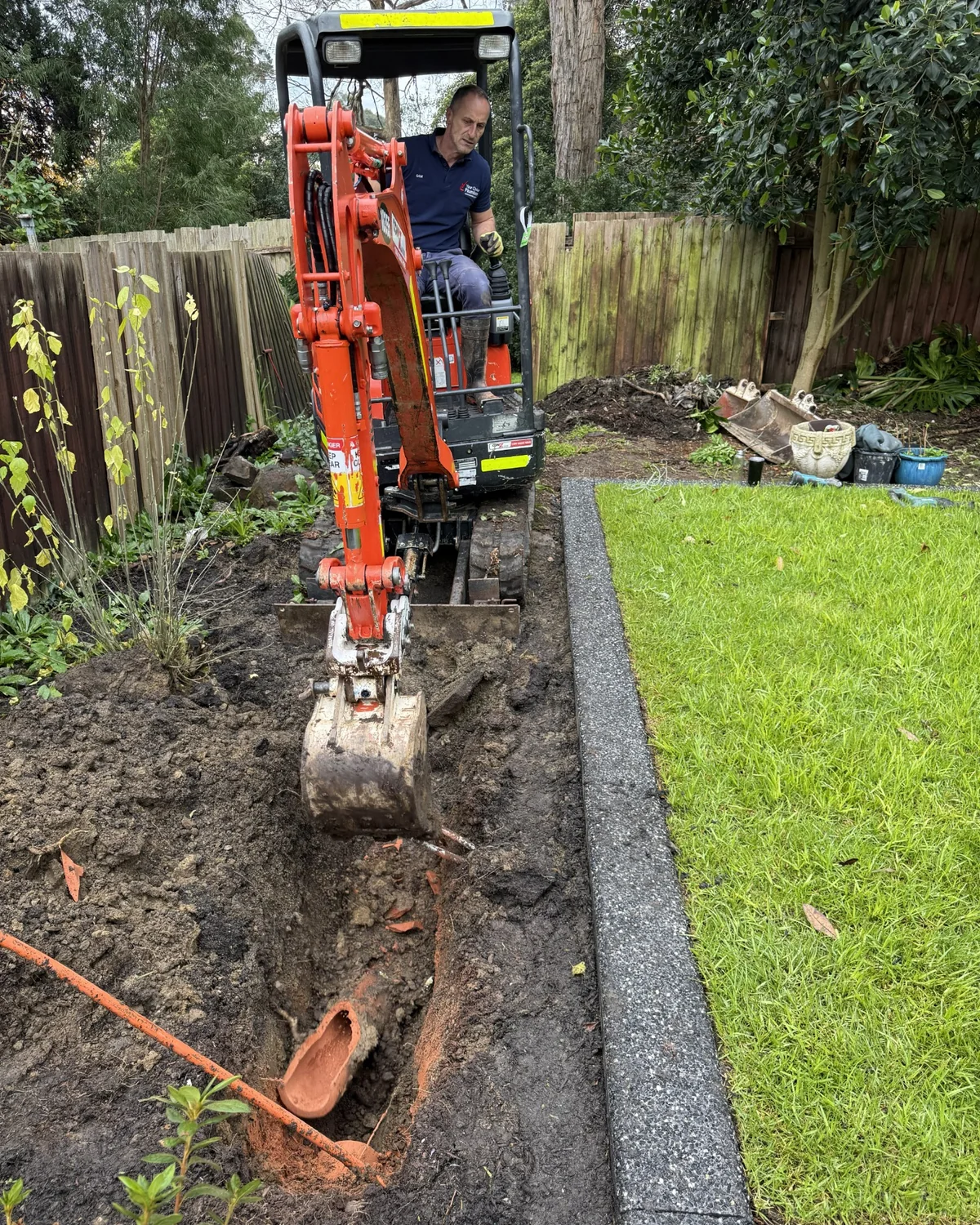
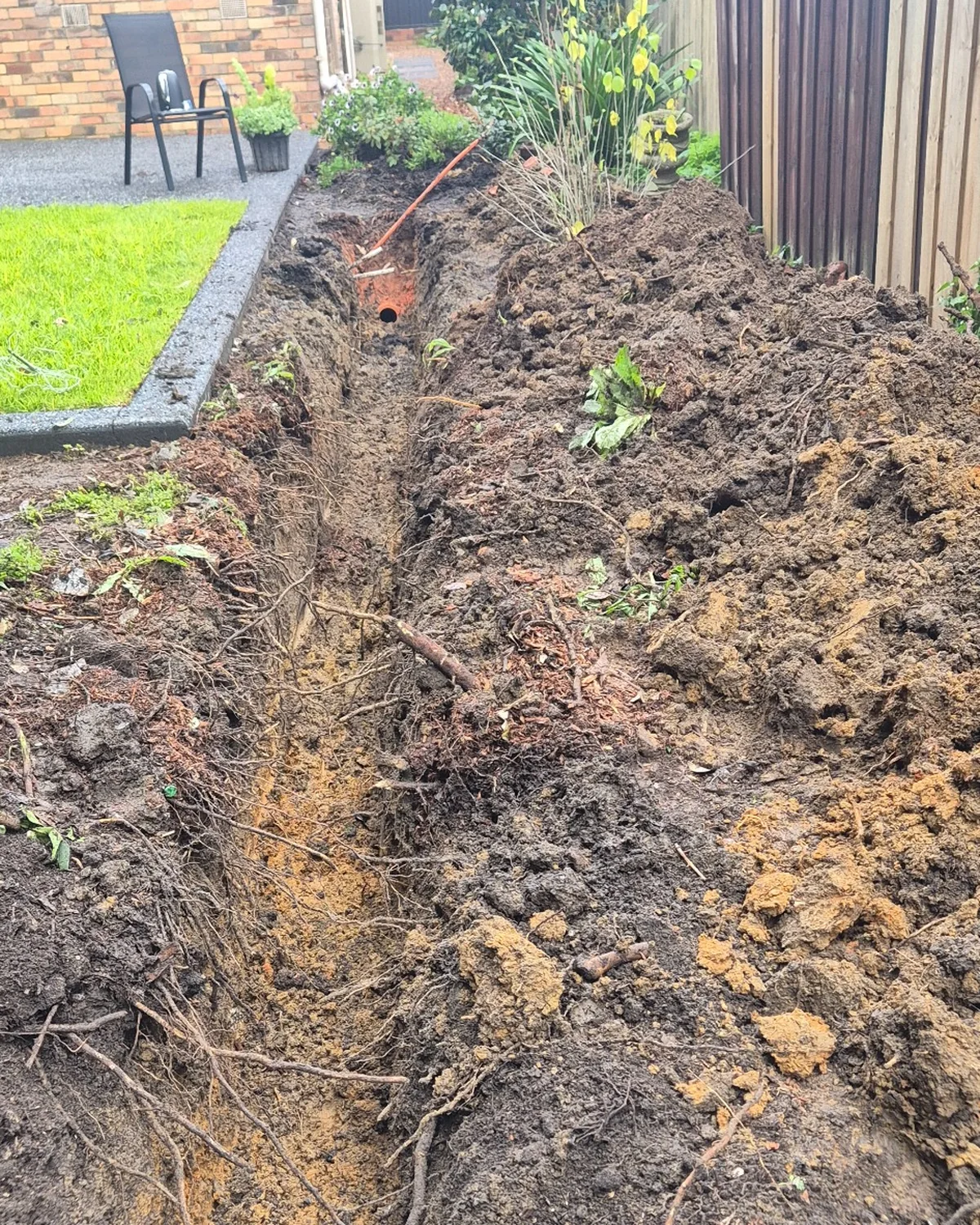
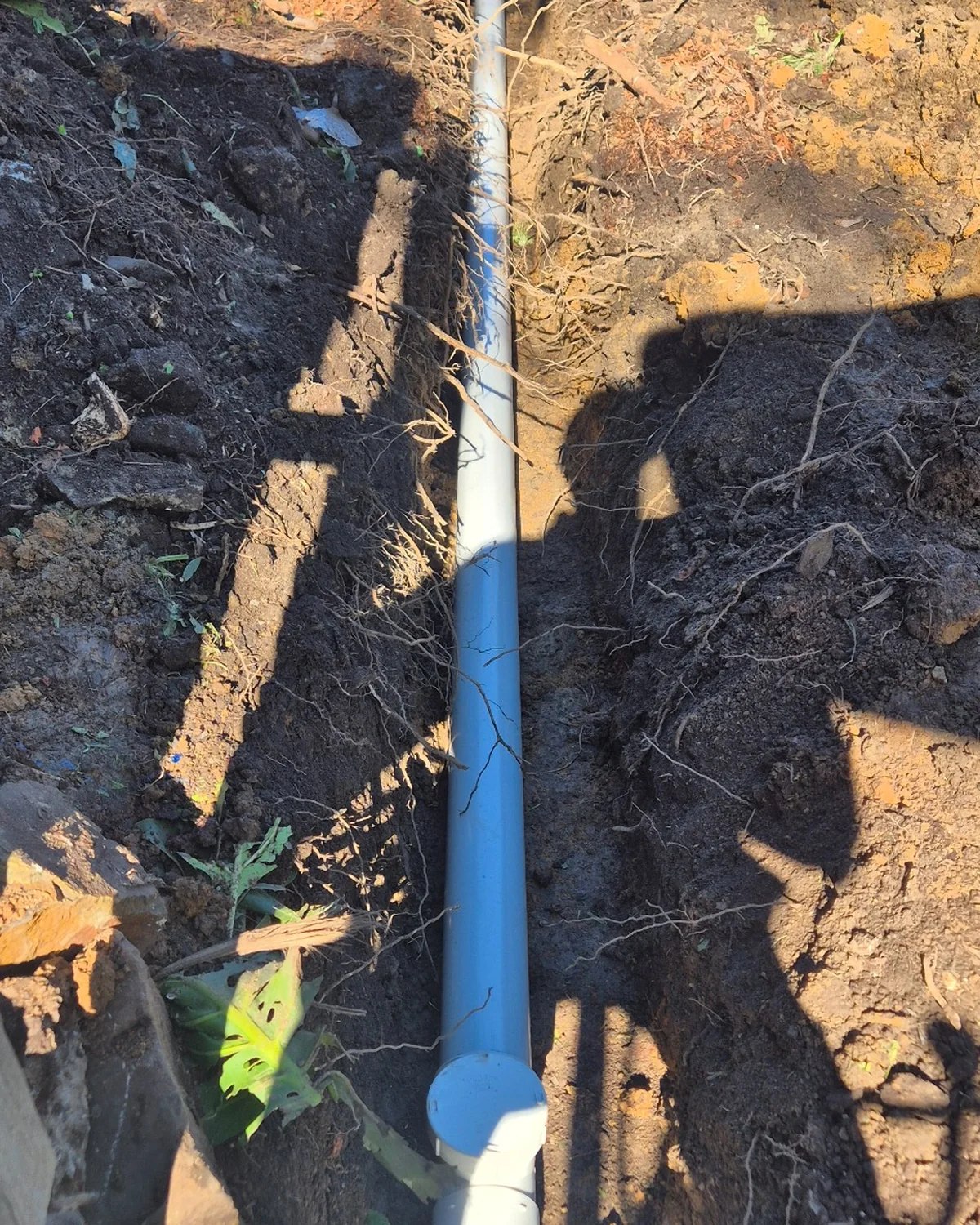
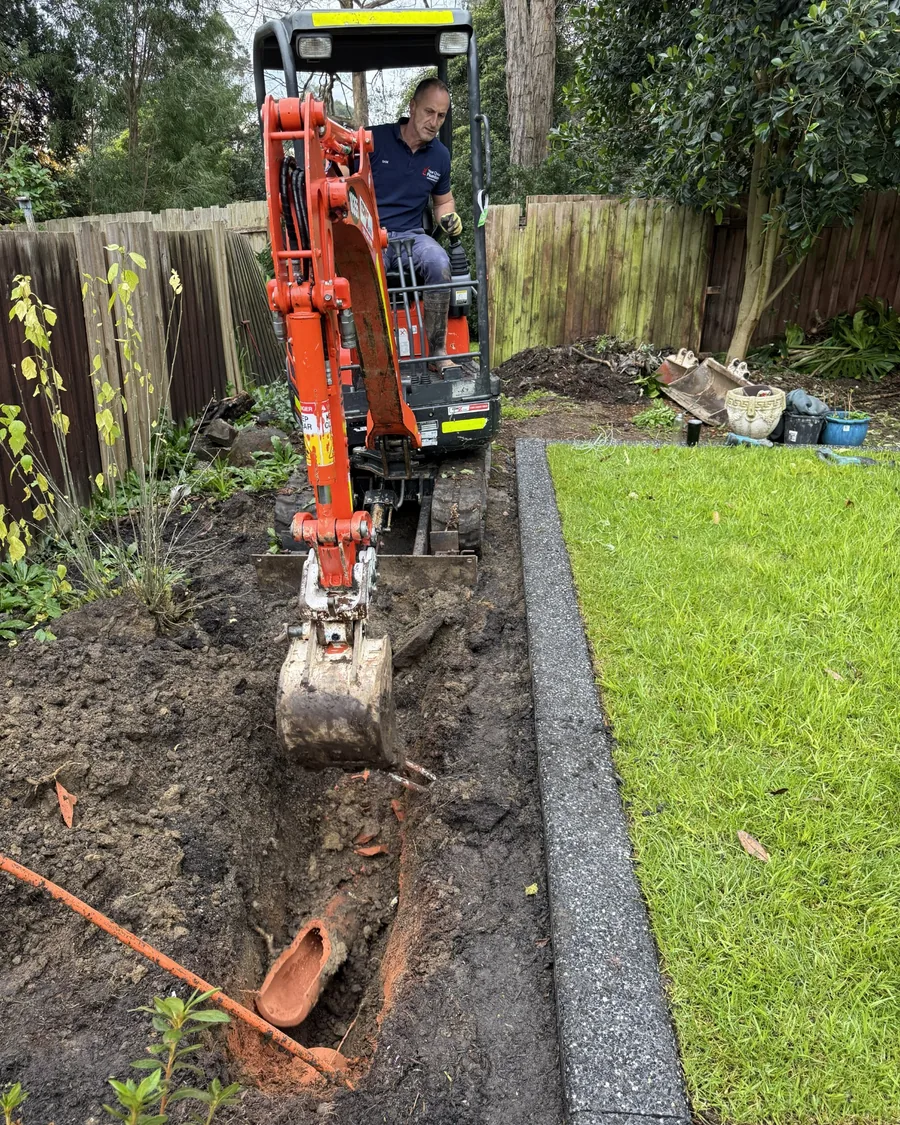
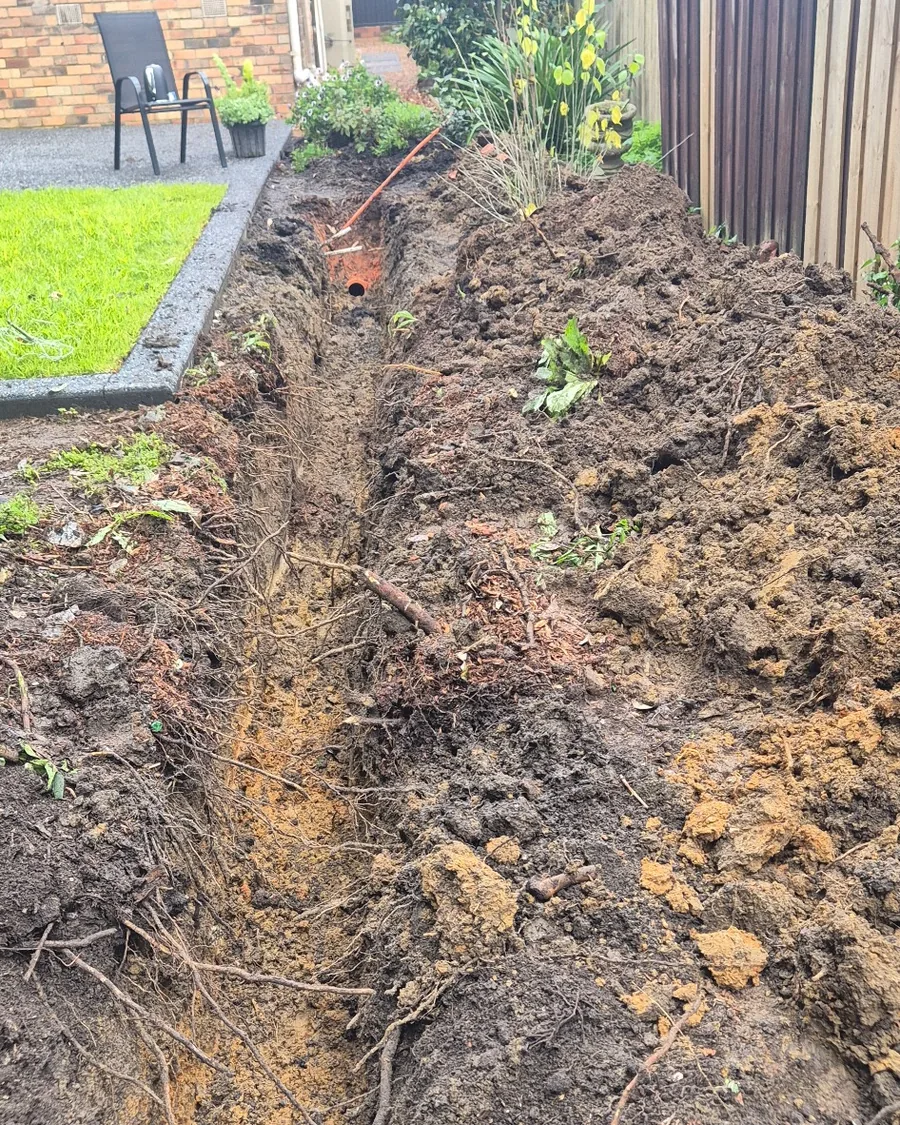
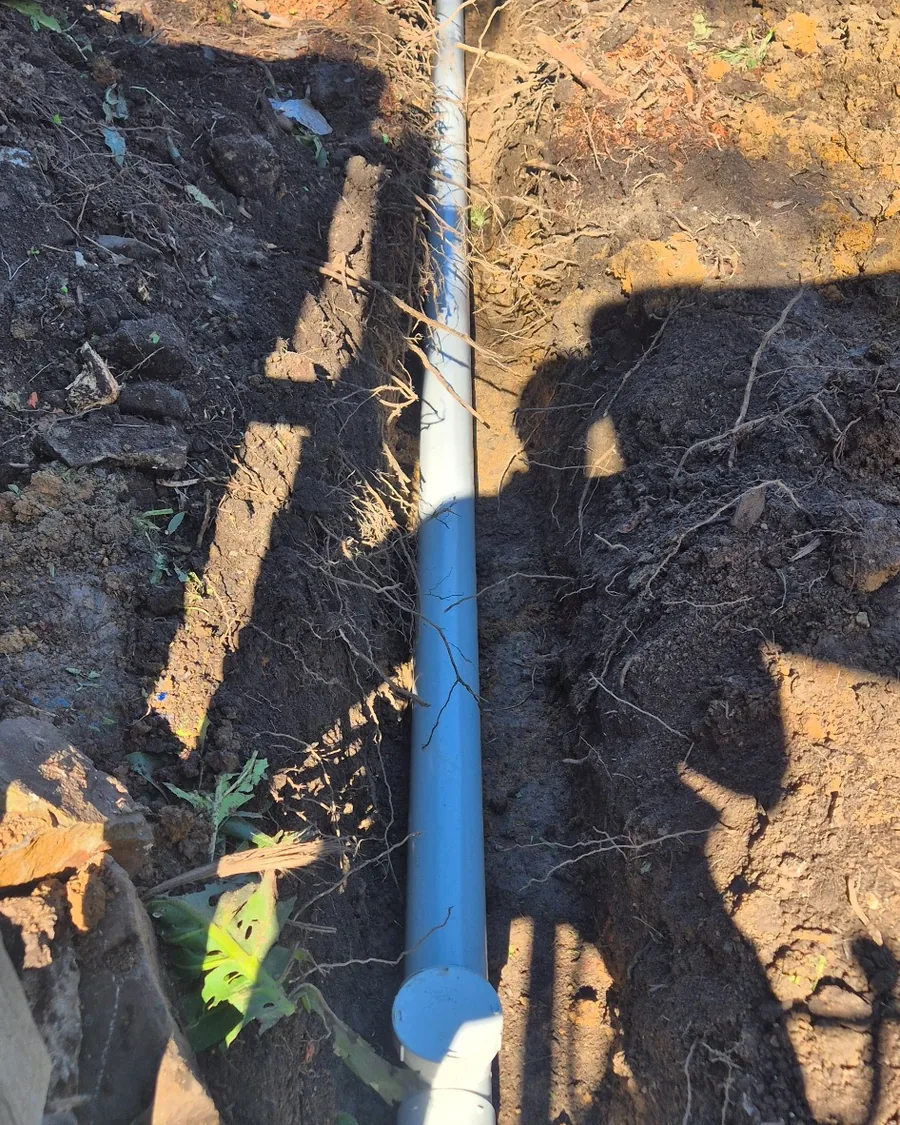
Stormwater Drain Repairs Melbourne
If you have overflowing downpipes, water pooling around the house, or signs of a broken underground stormwater drain, the issue should be checked before it causes bigger damage. Your Choice Plumbers provides stormwater drain repair Melbourne homeowners can rely on, including proper diagnosis, CCTV inspection, targeted repairs, and full replacement where needed.
Not every stormwater issue needs full replacement. Some problems only need outlet clearing or a targeted repair — the key is confirming whether the drain is blocked, broken, or structurally failing before digging starts.
Why is water pooling around my house after rain?
If the ground stays soggy or water builds up near the home, the stormwater system may be blocked, broken, or not discharging properly.
Why is my downpipe backing up during rain?
This often means the underground stormwater line cannot take the water away fast enough because of a blockage, pipe damage, or outlet failure.
Is this an emergency plumber job?
It can be, especially if water is entering the garage, flooding near the footing line, or repeatedly backing up during heavy rain.
I need a stormwater plumber near me — what should I do?
Start by avoiding assumptions about gutters alone. A licensed plumber should inspect the drain path, discharge point, and underground pipework properly.
Can you fix a broken stormwater drain the same day?
Some stormwater repairs can be completed the same day, while larger replacement works may require excavation, approvals, or staged renewal depending on what is found.
5-Star Trust: What Our Local Customers Say About Sam, Natasha & The Team
[trustindex data-widget-id=6c3eb54733ce269ef526ffa7063]5-Star Trust: What Our Local Customers Say About Sam, Natasha & The Team
How the Stormwater System Runs Through Your Property
Before repairing or replacing a damaged stormwater drain, it helps to understand how rainwater moves from the roof and surface drainage points through the underground stormwater system, where the common failure points usually occur, and why pooling or overflow near the house often starts deeper in the line.
Typical Melbourne Home Stormwater Drainage Layout
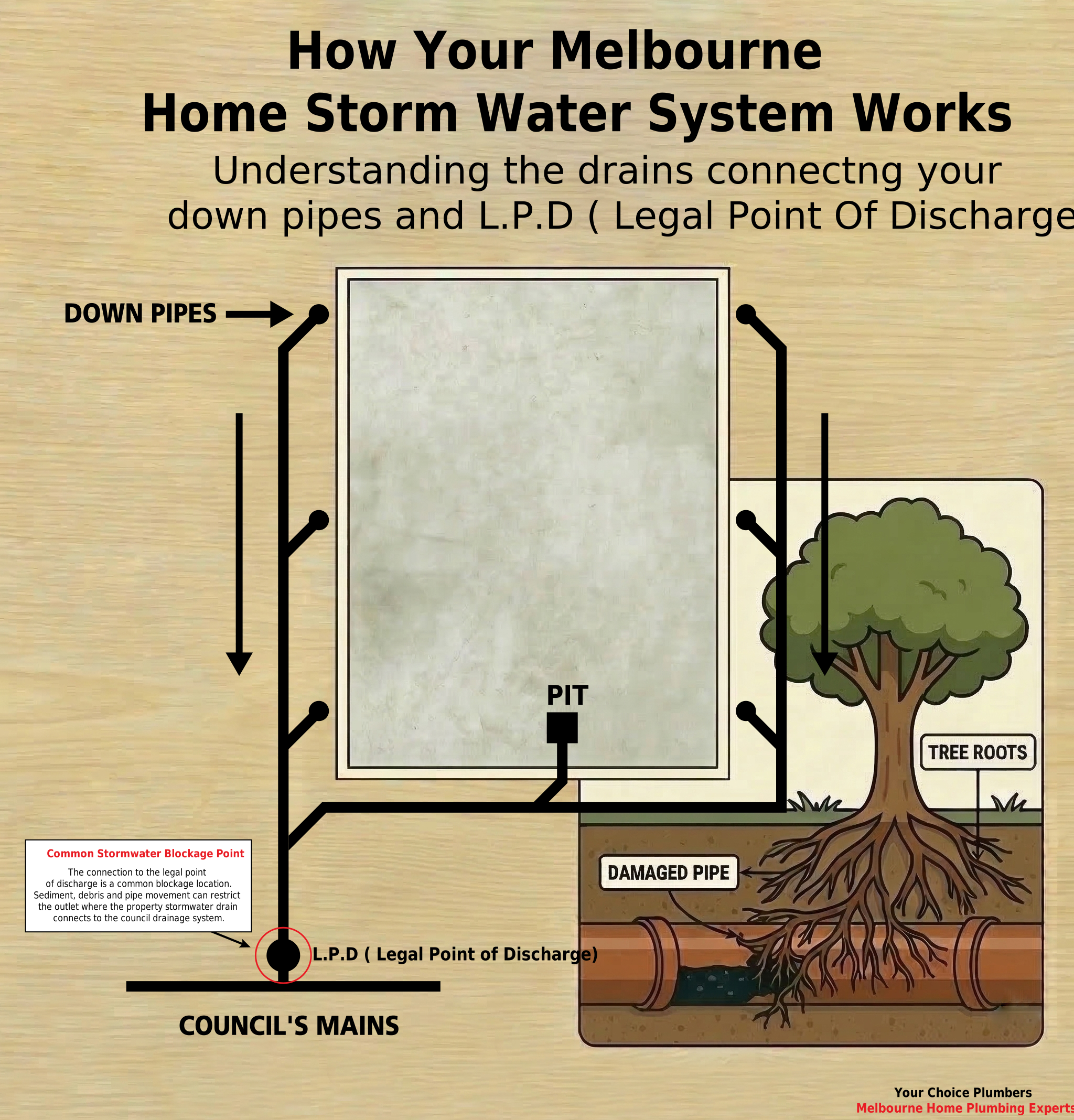
Typical Melbourne home stormwater drainage layout showing how rainwater flows from downpipes and surface drains through underground pipework toward the legal point of discharge.
This diagram shows how stormwater usually travels from roof downpipes, pits, and surface drainage points into the underground stormwater line before discharging to the legal point of discharge. It also helps explain why problems like overflowing downpipes, soggy ground, or water pooling around the house are often caused by a blocked outlet, broken underground pipe, or failed discharge section rather than just a surface drainage issue.
Sewer Drainage Diagram
Typical Melbourne home sewer drainage system showing fixture waste paths, main sewer flow, and common blockage points.
Stormwater Drainage Diagram
Typical Melbourne home stormwater drainage system showing downpipes, underground lines, and discharge path.
Boundary Trap Sewer Connection Diagram
Boundary trap sewer connection showing relief, venting, and why blockages often cause gurgling or overflow.
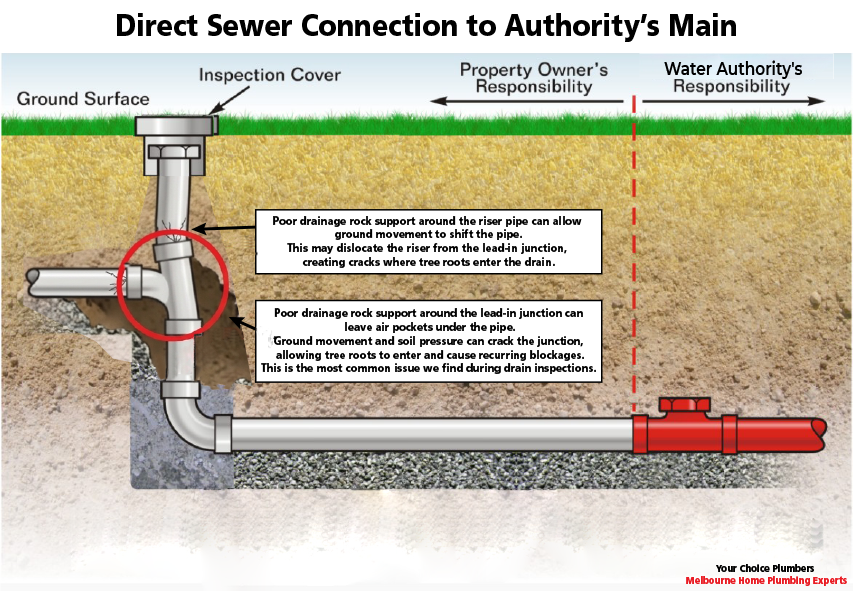
Direct Sewer Connection Diagram
Direct sewer connection layout showing how sewer flow behaves where no boundary trap system is present.
Stormwater Drain Problems We Diagnose and Repair

Downpipe Backing Up or Overflowing
This is one of the most common stormwater problems we see during heavier rain, especially on older Melbourne homes with mixed drainage history. What seems like a simple gutter issue is often actually a broken stormwater pipe Melbourne homeowners can’t see below ground.
What you’re experiencing
When only one section of the house overflows during rain, homeowners often assume the gutters are blocked. In reality, this often points to a blocked stormwater drain Melbourne property owners cannot see below ground. You may notice one or two downpipes surcharging, water spilling at the adaptor, water pooling near the house after rain, or runoff pushing back out near the wall while other downpipes seem normal. In some cases, the problem shows up as a downpipe drain not draining Melbourne homes properly during short, intense downpours.
Likely causes
The most common causes are a blocked underground stormwater line, a broken earthenware section, soil entering through a missing or cracked part of pipe, root intrusion, or later property works damaging the line. On older Melbourne homes, the failure is often due to ageing buried stormwater drains. On newer homes, it can still happen where decking posts, retaining works, paving, or landscaping have damaged the underground pipework.
What we typically find on-site
What we typically find on-site is a localised failure in the underground drain line. In Mount Waverley, we found only the rear downpipes overflowing because one section of the old stormwater line under the path had failed and filled with soil. In Beaumaris, a cracked pipe with tree roots entering beneath decking was causing the garage trench grate to overflow. These are exactly the kinds of cases where homeowners search for broken stormwater pipe under ground Melbourne or why only one downpipe is overflowing.
Quick check
If some downpipes overflow but others don’t, and the gutters are already clean, the problem is likely underground rather than at roof level. Also look for bubbling at the downpipe adaptor or water pushing out around the base during rain.
Why it matters
Repeated backing up can soak the ground near the house, damage surrounding surfaces, stain walls, undermine nearby paving, and eventually contribute to moisture issues around the building. On homes with timber subfloors or nearby footings, that extra water load matters more than many owners realise.
What happens if ignored
The restriction usually gets worse, not better. A partly broken pipe often becomes a full blockage or collapse over time, and once soil and roots start entering the line, repair costs usually increase because the excavation area becomes larger and the defect more unstable.
If your downpipe keeps backing up during rain, book a proper drain diagnosis before the next heavy downpour turns a localised issue into flooding around the home.

Water Pooling Around the House After Rain
We get called to this problem all the time on flat blocks and older properties where rainwater has nowhere to escape properly. What seems like bad surface drainage is often actually a blocked stormwater outlet Melbourne homeowners never think to inspect, or a stormwater pipe collapsed Melbourne conditions have gradually worsened underground.
What you’re experiencing
If water sits around the home after wet weather, the problem is often deeper than poor surface drainage. Homeowners usually describe this as soggy ground around house after rain Melbourne, water collecting near paths, puddles staying for days, or overspill near the downpipe connections. This is one of the clearest high-value warning signs for stormwater drain repair Melbourne homes often need, especially when the same low area remains wet long after surrounding ground has started drying.
Likely causes
The likely causes include a blocked stormwater outlet, a broken underground pipe, insufficient discharge, or a drain line that is no longer carrying rainwater away properly. On flat blocks especially, stormwater systems depend heavily on a clear outlet path and minimum fall. On properties with older earthenware systems, this can also happen when joints open up and let groundwater and roots enter the line over time.
What we typically find on-site
In Chelsea, we found the legal point of discharge at the curb and channel heavily choked with soil and grass build-up, causing stormwater to back up and overspill around the home. In Springvale, persistent moisture against the brickwork led to CCTV inspection that revealed collapsed terracotta sections close to the foundation. These are exactly the kinds of cases where the visible pooling is only the symptom of a bigger underground stormwater failure.
Quick check
After rain, see whether the same area stays wet well after surrounding ground has started drying. Check whether the downpipes themselves look sound and whether the gutters are clear. If they are, the issue is more likely in the underground stormwater path or at the final discharge point.
Why it matters:
Prolonged moisture around the home can soften ground, contribute to footing movement, create damp conditions near subfloors or slab edges, and increase the risk of cracking or other structural stress over time. Water pooling around the house after rain Melbourne homes experience should never be treated as only a landscaping issue if it keeps returning.
What happens if ignored
The problem often becomes more expensive because ongoing saturation can affect the building, hard surfaces, garden beds, retaining edges, and the drain itself. What begins as soggy ground can become repeated flooding, structural concern, or a much larger renewal scope once the original pipe has deteriorated further.
If water is pooling around your house after rain, don’t treat it as a minor drainage nuisance — organise an inspection before it starts affecting the structure around it.

CCTV Found a Broken Stormwater Pipe
We see this often after homeowners have already paid for cleaning, only to find the real problem was structural all along. What seems like a simple blockage is often actually a cracked stormwater pipe Melbourne properties can’t keep clearing their way out of.
What you’re experiencing
Once a CCTV drain inspection confirms the pipe is cracked, collapsed, root-intruded, or broken below ground, the next step is choosing the right repair approach. This is where experience matters. Not every damaged pipe needs full replacement, but not every damaged drain can be patched either. A lot depends on the pipe material, the number of defects, the location of the damage, and whether the surrounding run is still sound.
Likely causes
Older earthenware drains often fail at joints, crack under movement, or allow roots to enter. Newer UPVC systems may still fail if they were accidentally damaged during later works. Repeated surcharge, surrounding ground movement, past building activity, and slow soil entry through smaller cracks can all turn a local defect into a bigger structural stormwater repair job.
What we typically find on-site
In Beaumaris, CCTV confirmed a cracked stormwater line under decking where previous construction had damaged the pipe. In Mount Waverley, camera work and locating showed a defective section beneath concrete, which allowed a precise targeted repair instead of unnecessary full renewal. In Springvale, the camera work helped confirm collapsed terracotta close to the home, which changed the issue from a mystery moisture problem into a defined stormwater drain repair after camera inspection Melbourne homeowners could act on confidently.
Quick check
If you already have CCTV footage or have been told the line is damaged, ask whether the defect is isolated or whether there are multiple failures along the run. Also ask whether the line has been located from above ground so the repair can be targeted properly.
Why it matters:
The correct solution depends on the real condition of the line. A small isolated failure may suit targeted stormwater pipe repair Melbourne homeowners can complete with less disruption, while multiple defects often justify stormwater drain replacement Melbourne property owners can rely on for long-term peace of mind. This is also where proper quoting becomes more accurate, because the scope is based on known damage rather than guesswork.
What happens if ignored
Confirmed damage almost always worsens, especially if roots, soil entry, or collapse are already present. The longer it is left, the more likely it is that a localised repair becomes a longer excavation, additional reinstatement, or a larger section replacement.
If CCTV has already shown a broken stormwater pipe, the safest next step is a clear repair plan before the defect turns into a full blockage, overflow, or excavation emergency.

Stormwater Outlet Has Failed
This is a problem we diagnose regularly, particularly on flatter Melbourne blocks where the whole system depends on one outlet staying clear. What seems like a drain issue near the house is often actually a stormwater outlet blocked Melbourne property owners only discover once the system starts backing up from the street end or easement connection.
What you’re experiencing
When the stormwater outlet or legal point of discharge is blocked, damaged, or no longer functioning properly, the whole drainage system can start backing up. Homeowners often notice overflowing downpipes, soggy lawn near the front boundary, water not escaping to the street, or repeated flooding despite the house-end pipework looking fine. This is one of the most overlooked reasons why a downpipe backing up during rain has no obvious cause at roof level.
Likely causes
The most common causes are a blocked curb outlet, a failed legal point of discharge, root intrusion near the front discharge section, damaged terracotta stormwater pipework, or outlet areas gradually filling with soil, grass, and debris. On flatter Melbourne blocks, even a partial outlet failure can be enough to surcharge the whole stormwater system.
What we typically find on-site
In Mulgrave, we found the front outlet area had failed near the curb connection, with old terracotta pipe damage and major root intrusion further back toward the property. In Chelsea, a heavily blocked curb-and-channel outlet was enough to cause water pooling and surcharge through the system even though the underground UPVC line itself was sound. We also regularly see barrel drains in easements, curb outlets, and legal point of discharge connections slowly fill with soil, grass, or root growth until flow is reduced enough to surcharge the whole system.
Quick check
If gutters are clear and downpipes look intact, but water still cannot escape during rain, the final outlet or discharge path should be inspected. Look for signs like soggy nature strip areas, overflow at front garden level, or no visible discharge at the curb when rainwater demand is high.
Why it matters:
When the outlet fails, the entire stormwater system loses its escape path. Water then backs up through the line and can start affecting the areas closest to the house, including downpipe connections, surrounding soil, trench grates, and low points near foundations.
What happens if ignored
Outlet issues rarely stay localised. Backed-up stormwater can contribute to flooding, ground saturation, erosion around the property edge, and ongoing repeat callouts until the discharge path is properly restored. In some cases, owners keep paying for cleaning without realising the outlet itself is the reason the system cannot discharge.
If your stormwater outlet has failed or the legal point of discharge looks blocked, now is the time to fix it properly before the next wet period overloads the whole system.
What Causes Stormwater Drains to Fail?
Stormwater drain problems usually build up over time, but the visible symptom often appears suddenly during heavier rain. In Melbourne homes, the most common causes we see include old earthenware pipework cracking or collapsing, tree roots entering damaged sections, underground drains being accidentally broken during later building or landscaping works, and legal point of discharge failures at the front or rear of the property.
On flatter blocks, even a partially blocked outlet can make the whole system surcharge because there is less natural fall to help stormwater escape. On sloping blocks, broken branch lines can still create localised overflow at the highest inlet points, such as trench grates or rear downpipes. We also regularly find systems that were never maintained at the discharge end, allowing grass, soil, and debris to slowly choke the outlet. In Melbourne’s older suburbs, original terracotta stormwater lines are still common and often fail at joints or where root pressure and ground movement have been working against them for years. Newer UPVC systems are generally more reliable, but they are still vulnerable if later decks, fences, retaining walls, or concreting works damage the line without anyone realising.
If your issue turns out to involve a wider drain blockage as well as damage, our broader blocked drains Melbourne service may also be relevant. If you are seeing signs of active water damage inside the house rather than only outside, it may also be worth reviewing our water leak detection Melbourne service for related hidden moisture concerns.
How We Diagnose and Repair Stormwater Drains
Step 1 — Inspect the Symptoms Properly
We start by understanding what is actually happening at the property. That may include checking which downpipes are overflowing, where water is pooling, whether the outlet is visible and clear, and whether the issue is isolated or affecting the whole stormwater system. We also look at the age of the home, likely pipe material, whether the house is on stumps or slab, and whether later works such as paths, decking, or landscaping may have crossed the original drain line.
Step 2 — Test Flow and Locate the Failure Point
Where needed, we use methods such as inspection openings, hydro jetting, CCTV drain inspection, and locating equipment to confirm whether the issue is a blockage, broken stormwater pipe, collapsed section, or failed outlet. This avoids guesswork and reduces unnecessary excavation. It also lets us separate cases that suit cleaning from cases that clearly need stormwater pipe repair or renewal.
Step 3 — Recommend the Right Level of Repair
If the problem is localised, we may recommend targeted stormwater pipe repair. If the line has multiple failures, widespread root intrusion, or an ageing discharge section that is no longer reliable, full stormwater drain replacement may be the smarter long-term option. We explain the difference clearly so you understand whether you are fixing one failed spot or solving a larger system issue.
Step 4 — Complete the Works to a Proper Standard
We carry out the repair or renewal using appropriate materials and methods for the site conditions. Where stormwater renewal involves discharge changes, excavation, or authority-related requirements, we explain that clearly so you know what is involved. Depending on the site, that may include targeted excavation, replacing defective earthenware with UPVC, reinstating concrete or decking, or renewing the front discharge section back to a sound point.
Step 5 — Confirm the System Is Working Again
Before completion, we verify that the repaired or renewed stormwater line is flowing properly and that the original symptom has been resolved. The goal is not just to make the water disappear for a day, but to restore proper discharge and long-term reliability. Where relevant, we also explain what to keep an eye on going forward so the same outlet, branch, or low point does not get neglected again.
Stormwater Drain Repair Melbourne – Real Case Studies & Results from Sam, Natasha & The Team
Stormwater Drain Renewed at the Legal Point of Discharge in Mulgrave VIC 3170
At a Mulgrave home, overflowing downpipes and soggy grass in the front garden pointed to a failed stormwater discharge system rather than a simple surface drainage issue. Hydro jetting from the curb outlet confirmed a broken stormwater pipe in the nature strip, and CCTV inspection found thick tree roots further back in the old terracotta line. Because multiple defects were confirmed, the front stormwater drain was renewed with new 100mm UPVC pipe, a new suspended under-house stormwater system was installed, all downpipes were reconnected, and the upgrade was completed without cutting the concrete paths or driveway. Read more: Failed stormwater outlet in Mulgrave renewed after CCTV confirmed root damageBroken Stormwater Pipe Found and Replaced in Beaumaris VIC 3193
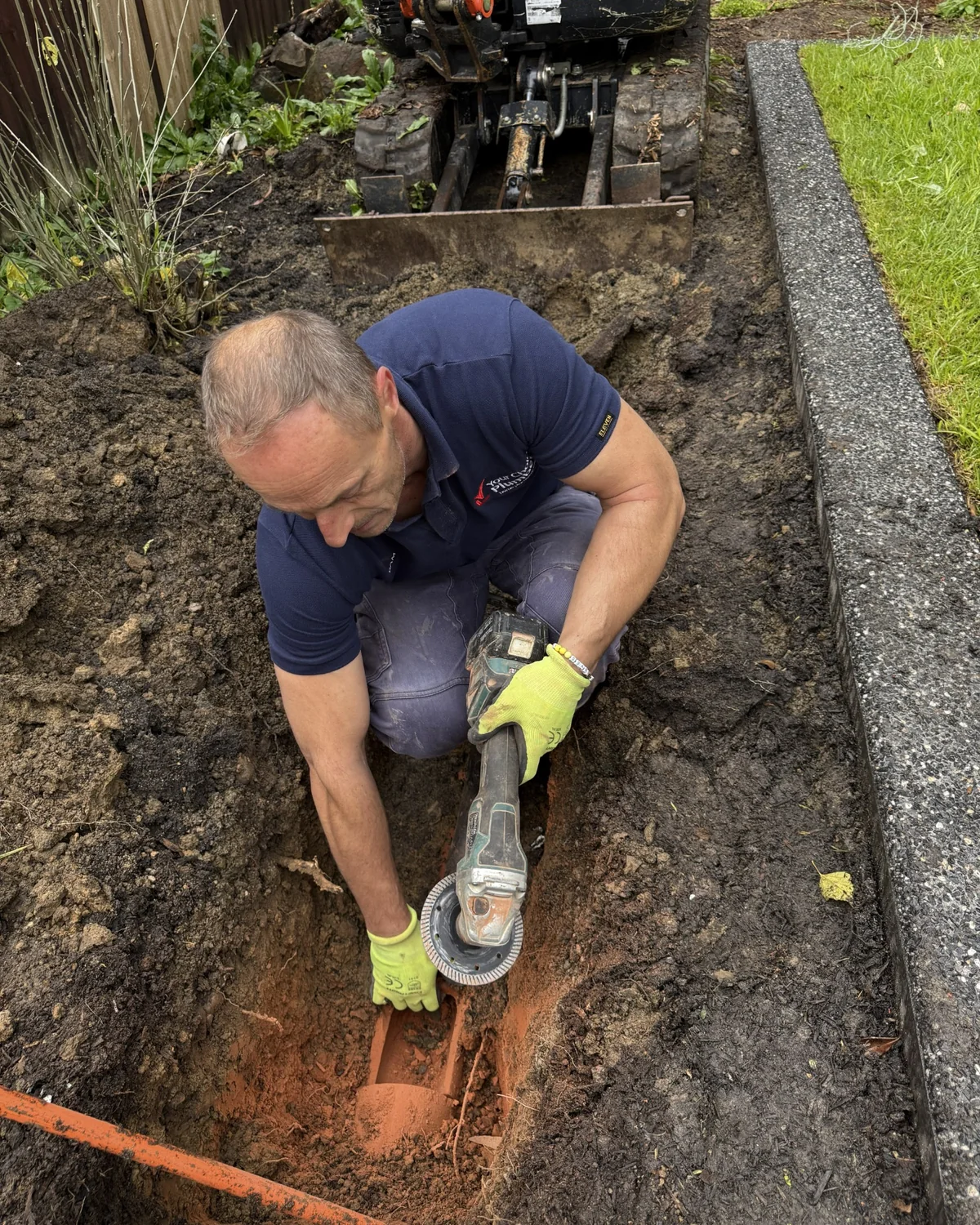
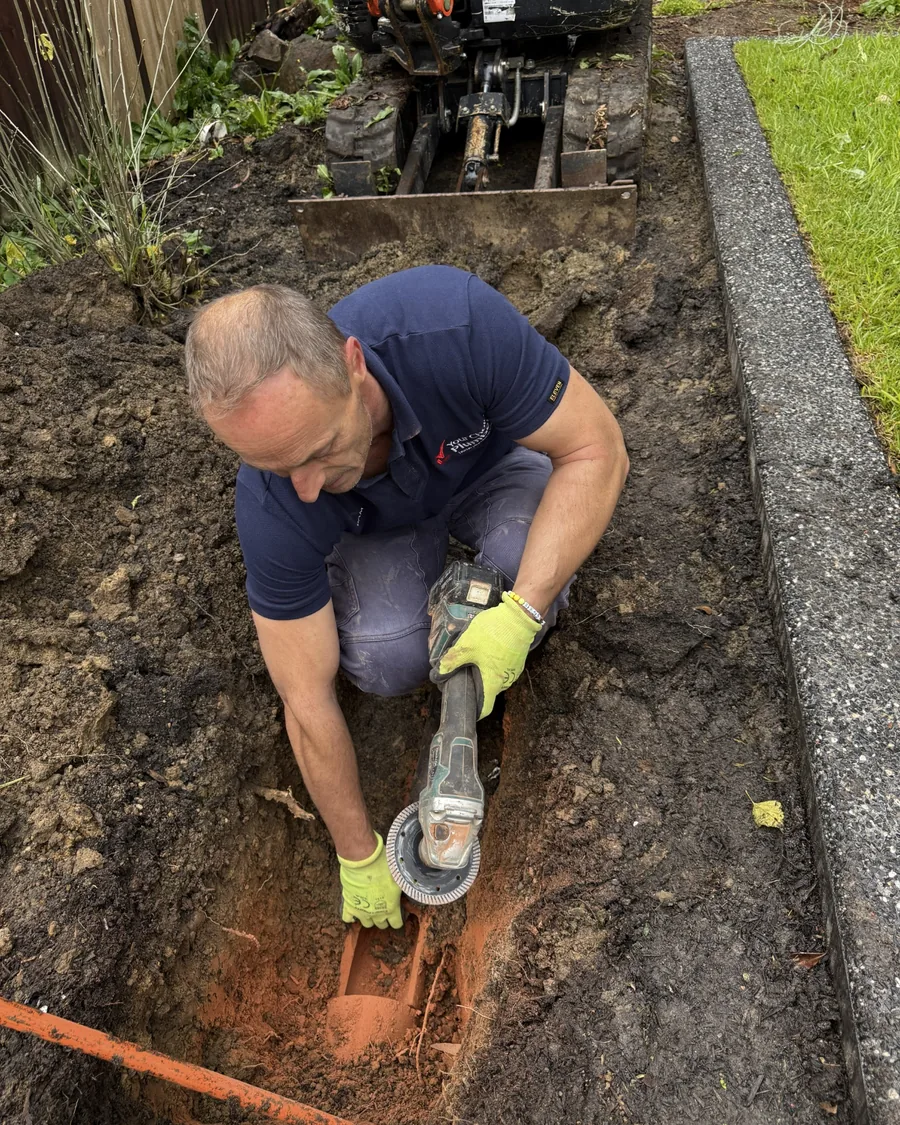
At a Beaumaris home, stormwater was overflowing around the house during heavy rain because the underground drain could not discharge properly. The owners wanted the fault found without digging up the whole garden, so we used hydro jetting, CCTV drain inspection and locating equipment to confirm the real problem. An older terracotta stormwater pipe section connecting newer UPVC drains to the rear easement had been damaged and heavily blocked by tree roots. The failed section was excavated, replaced with new UPVC stormwater pipe, and upgraded with a new surface-level inspection shaft for future access. Read More: Broken stormwater pipe found and replaced in BeaumarisOverflowing Downpipes Repaired in Mount Waverley VIC 3149
At a Mount Waverley home, two rear downpipes were overflowing during rain while the front downpipes were draining normally. CCTV drain inspection found soil building up inside the underground stormwater pipe until the camera could no longer pass, and locating equipment was used to mark the obstruction point. Hydro jetting reopened the line, allowing a second camera inspection to reveal the real cause: a broken stormwater pipe section allowing soil and tree roots to enter. The damaged section was repaired with new 100mm UPVC pipe, correctly bedded, and the concrete path was reinstated. Read more: Overflowing downpipes in Mount Waverley caused by a broken stormwater pipeCollapsed Stormwater Drain Found Near the Foundation in Springvale VIC 3171
At a Springvale home, white lime deposits on the lower brickwork looked like a surface moisture issue, but the real cause was hidden underground. We hydro jetted the old terracotta stormwater line from the legal point of discharge, then used CCTV drain inspection and locating equipment to trace the system properly. The inspection found two collapsed sections of terracotta stormwater pipe only around half a metre from the home’s foundation, allowing stormwater to escape into the surrounding ground and cause moisture against the brickwork. The exact failed sections were marked for targeted repair. Read more: Stormwater drain failure in Springvale found behind lime deposits on brickworkBlocked Stormwater Outlet Causing Water Pooling in Chelsea VIC 3196
At a Chelsea home, water was pooling around the house during rain and the ground was staying soggy long after wet weather. After ruling out blocked gutters, damaged downpipes and above-ground issues, we traced the problem to the legal point of discharge at the curb and channel. The outlet was around 80% blocked with soil and grass growth, causing stormwater to back up through the system. We cleared the outlet, hydro jetted the 100mm UPVC stormwater line, and confirmed with CCTV drain inspection that the pipe was structurally sound and flowing properly again. Read more: Blocked stormwater drains in Chelsea caused water pooling around the houseLicensed Stormwater Repairs and Long-Term Property Protection
Stormwater drain repair is not just about getting water to disappear temporarily. It needs to be carried out by a licensed plumbing team that understands proper diagnosis, correct installation methods, and when a structural defect has moved beyond clearing into repair or replacement territory.
Where stormwater works involve excavation, discharge renewal, or broader compliance considerations, we explain what is required and why. Our work is carried out in line with the relevant stormwater drainage requirements of AS/NZS 3500.2:2021 so the finished result is not just functional, but properly thought through for long-term reliability. On repair jobs, that means making sure the replacement section is properly supported, connected, and reinstated rather than simply patched and buried. On larger renewal jobs, it means planning the discharge path properly so the system can keep doing its job through heavier Melbourne rain events.
That matters for your property, your maintenance costs, and your peace of mind. If you are dealing with a bigger underground drainage problem that extends beyond stormwater alone, you can also explore our home plumbing prevention resources to better understand how recurring issues develop and how to stay ahead of them.
Complimentary Property Protection Audit
Every completed plumbing job with Your Choice Plumbers includes our Complimentary Property Protection Audit to help protect your home from preventable water damage and compliance risks. As part of this process, we check for key issues that many homeowners never realise are putting their property at risk, including:
- excessive water pressure above 500 kPa, which can stress taps, mixers, valves, appliances, and pipework
- flexible braided hoses that may be rusted, swollen, poorly supported, or approaching failure
- hot water temperature risks, including scalding concerns where household delivery temperatures are not properly controlled
- visible signs of ageing plumbing components that may fail unexpectedly

This is especially important on everyday home plumbing visits, because repeated fixture failures, hot water issues, leaks, and valve problems can sometimes point to broader pressure or plumbing system stress.
Related Plumbing Services
Stormwater issues often overlap with other drainage and property protection concerns. If the problem turns out to involve a more general underground blockage, our blocked drains Melbourne service covers diagnosis, hydro jetting, and CCTV inspection.
If ongoing moisture has already started showing inside the home, our water leak detection Melbourne service can help determine whether water is also tracking through walls, ceilings, or concealed areas. And if severe water movement has already damaged internal plumbing or pipework elsewhere around the property, our burst pipe repair Melbourne service may also be relevant.
Service Areas Across Melbourne
We provide professional stormwater drain repair Melbourne services across Melbourne, including:
 Plumber Glen Waverley
Stormwater Drain Repair Melbourne FAQs
How do I know if I need stormwater drain repair or just drain clearing?
If the issue is caused by a blockage only, clearing may be enough. If CCTV shows cracks, collapse, root entry, or missing pipe sections, repair or replacement is usually the better long-term solution.
What is the most common cause of a broken stormwater pipe?
On older homes, ageing earthenware pipework and tree roots are very common causes. On newer homes, later building or landscaping works can also accidentally damage the line.
Can a broken stormwater drain cause structural issues?
Yes. If stormwater escapes near the home over time, it can keep the surrounding ground wet and may contribute to movement, cracking, or other moisture-related damage.
Do I need CCTV to find a broken stormwater pipe?
Not every job needs CCTV, but it is often the best way to confirm whether the problem is a blockage, a broken section, or a more widespread drain failure.
Who repairs stormwater drains in Melbourne?
A licensed plumber with experience in underground drainage diagnosis, CCTV inspection, hydro jetting, and stormwater repair work is the right place to start.
How do I know if my stormwater pipe is broken?
Common signs include overflowing downpipes, soggy ground that does not dry properly, water pooling around the house after rain, or CCTV showing cracks, collapse, or root intrusion.
Can a plumber fix a broken stormwater drain?
Yes. Depending on what is found, the solution may be outlet clearing, targeted stormwater pipe repair, or larger stormwater drain replacement where the line has multiple structural defects.
What causes a stormwater drain to collapse?
Common causes include ageing terracotta pipework, root intrusion, ground movement, poor support, previous excavation damage, or years of soil entering through smaller cracks until the pipe loses structural support.
Why is my downpipe backing up during rain?
This usually means the underground stormwater system or final outlet cannot carry the water away properly because of blockage, pipe damage, or discharge failure.
Why is only one downpipe overflowing when the others are fine?
That usually means the problem is local to that underground branch or outlet path, not the whole roof drainage system. A broken or blocked section below ground is a common cause.
Can a stormwater drain be repaired or does it need replacement?
Both are possible. A localised failure may only need a targeted repair, while older drains with multiple defects are often better candidates for full replacement.
Who is responsible for a broken stormwater drain on my property?
In most cases, the property owner is responsible for the stormwater drain within the property boundary, while the final discharge arrangement may involve council or authority infrastructure depending on the setup.
Will insurance cover stormwater drain repairs?
That depends on the cause, the policy, and whether resulting damage is covered. Sudden damage may be treated differently from gradual deterioration or lack of maintenance.
How much does stormwater drain repair Melbourne usually cost?
Costs vary depending on whether the issue is a simple outlet blockage, a targeted underground repair, or a larger drain replacement involving excavation and renewal of older pipework.
Can I fix a stormwater drain problem myself?
Simple visible outlet cleaning may sometimes help, but underground stormwater problems usually need proper diagnosis. Guessing can waste time and allow the real cause to worsen.
Need Stormwater Drain Repair Melbourne Homeowners Can Rely On?
If your downpipes are overflowing, water is pooling around the house, or CCTV has already shown a broken stormwater pipe, now is the time to deal with it properly. We’ll diagnose the cause, explain the safest repair path, and help protect your home from bigger drainage and structural problems.
Left too long, a failed stormwater drain can keep flooding around the home, soften supporting ground, damage nearby paths or foundations, and turn a targeted repair into a much bigger excavation job.