

Melbourne’s Trusted
Home Plumbing Experts
Complimentary Property Protection Audit


Sam & Natasha
Founders, Your Choice Plumbers
 VBA Licensed Insured
 Master Plumbers Member
 Fixed Upfront Pricing
 Local Family Owned
Sam & Natasha
Founders, Your Choice Plumbers
What the Complimentary Property Protection Audit Is
The Complimentary Property Protection Audit is our prevention-focused homeowner check that helps identify some of the most common hidden plumbing risks in Melbourne homes.
It is designed to give homeowners a clearer understanding of whether their plumbing system is carrying visible warning signs that could lead to flooding, unsafe hot water, fixture failure, or broader preventable damage.
For many homeowners, the family home is one of their biggest investments. This audit is designed to help protect that investment by identifying visible plumbing risks before they turn into expensive damage, compliance concerns, or avoidable emergencies.
As part of our broader approach as Melbourne’s Home Plumbing Experts, the goal is to help homeowners understand visible plumbing risks before they become bigger problems.
What the Audit Commonly Covers
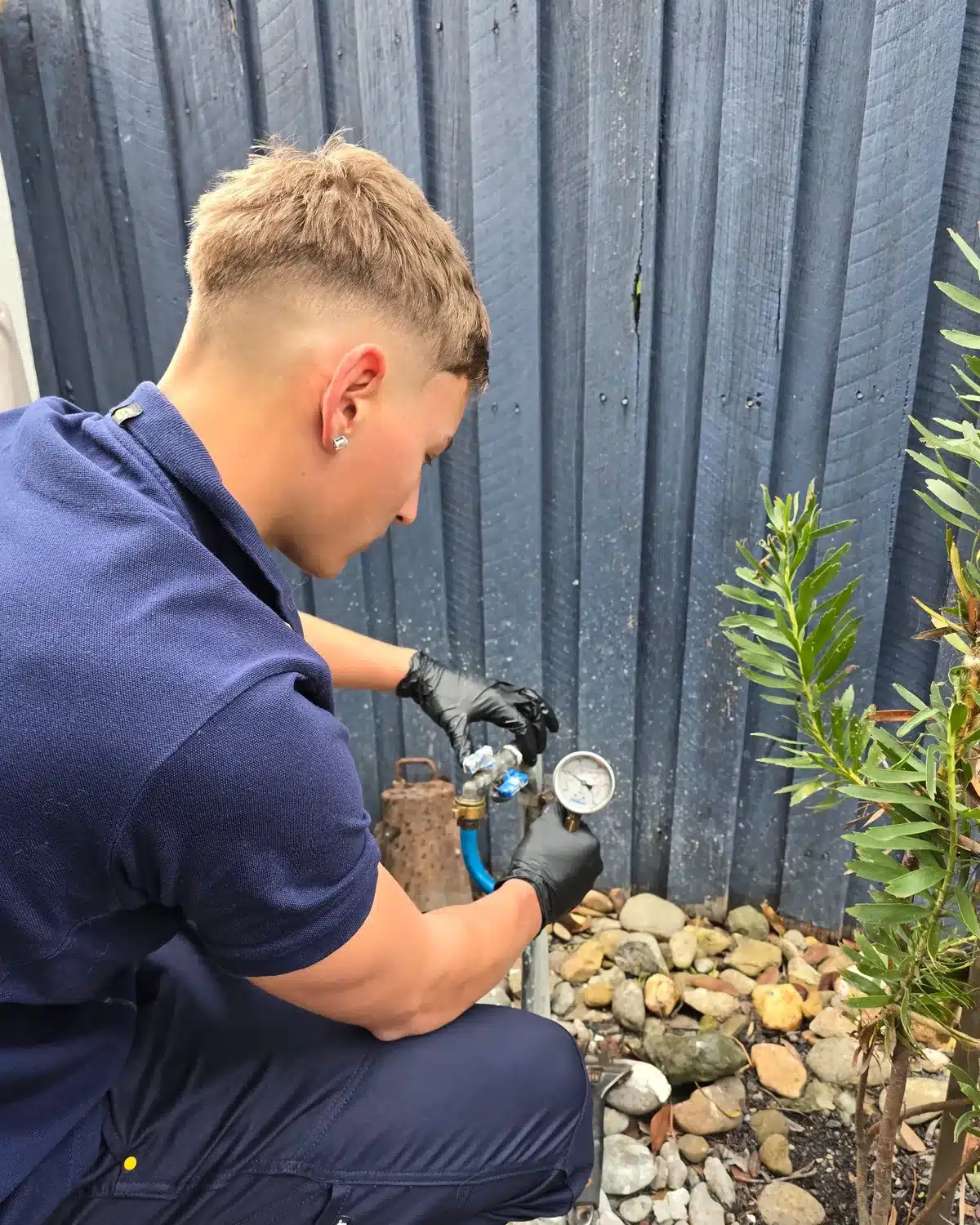
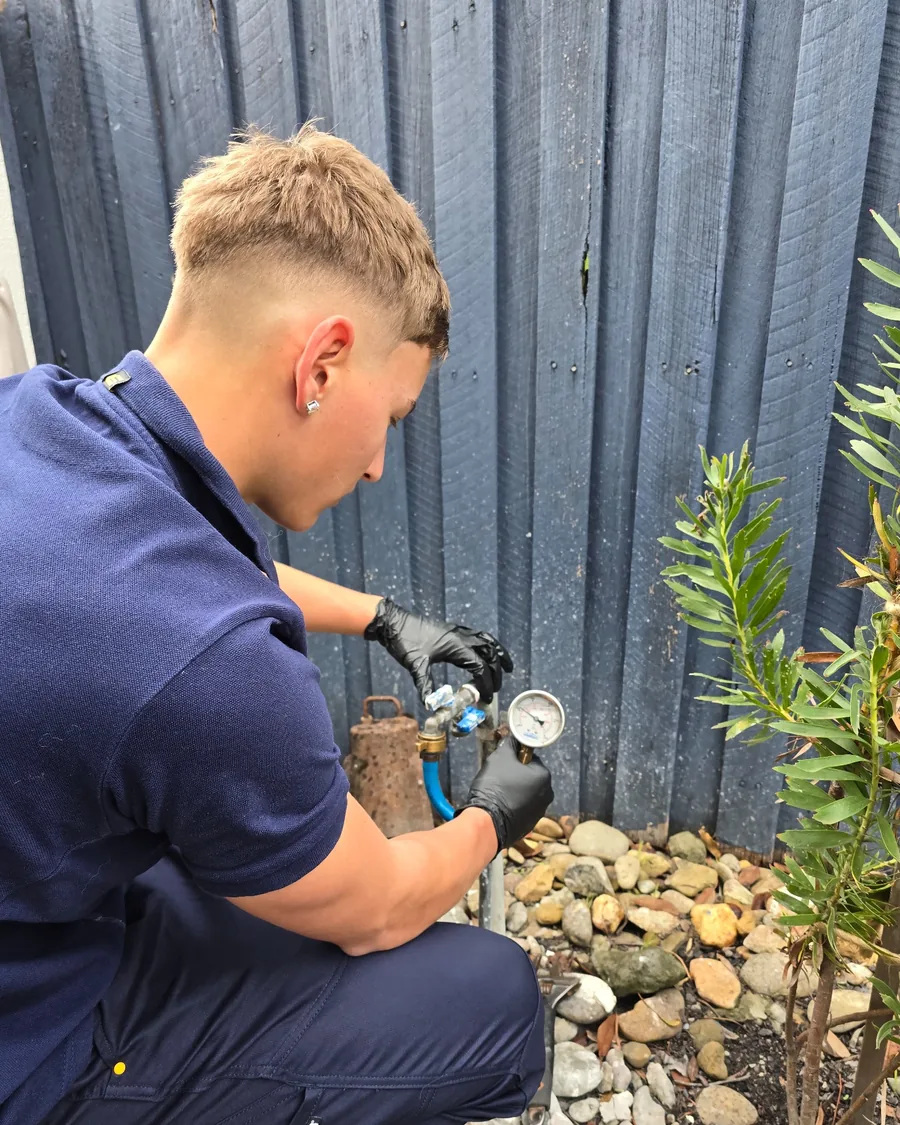
High Water Pressure
We check whether the home’s water pressure appears to be running within a safer and more appropriate range. In many Melbourne homes, pressure is above the 500 kPa limit referenced under AS/NZS 3500, which places unnecessary stress on taps, toilets, flexible hoses, valves, appliances, and pipework.
High water pressure is not just a comfort issue. It can play a direct role in burst flexible hoses, repeated fixture failures, noisy pipes, and even burst pipe stress where sections of the plumbing system are already vulnerable.
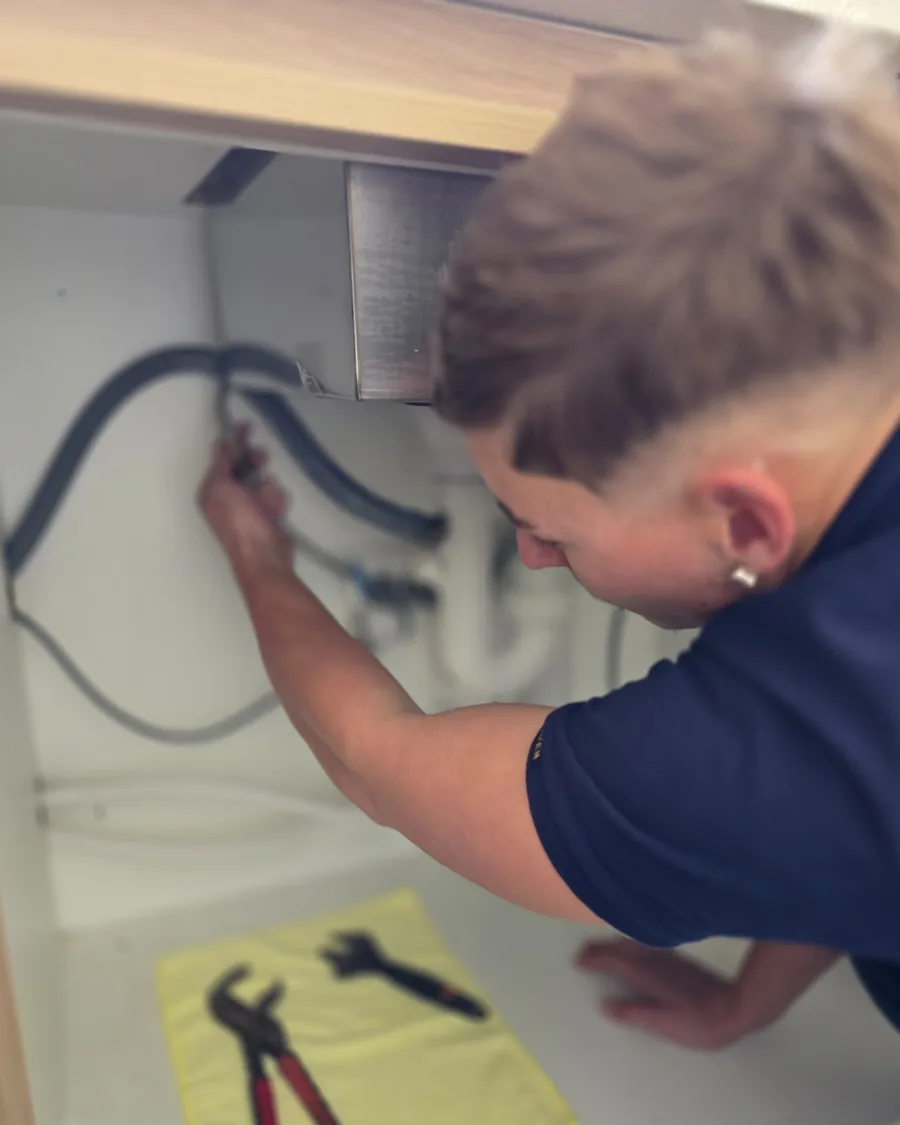
Flexible Hose Flood Risk
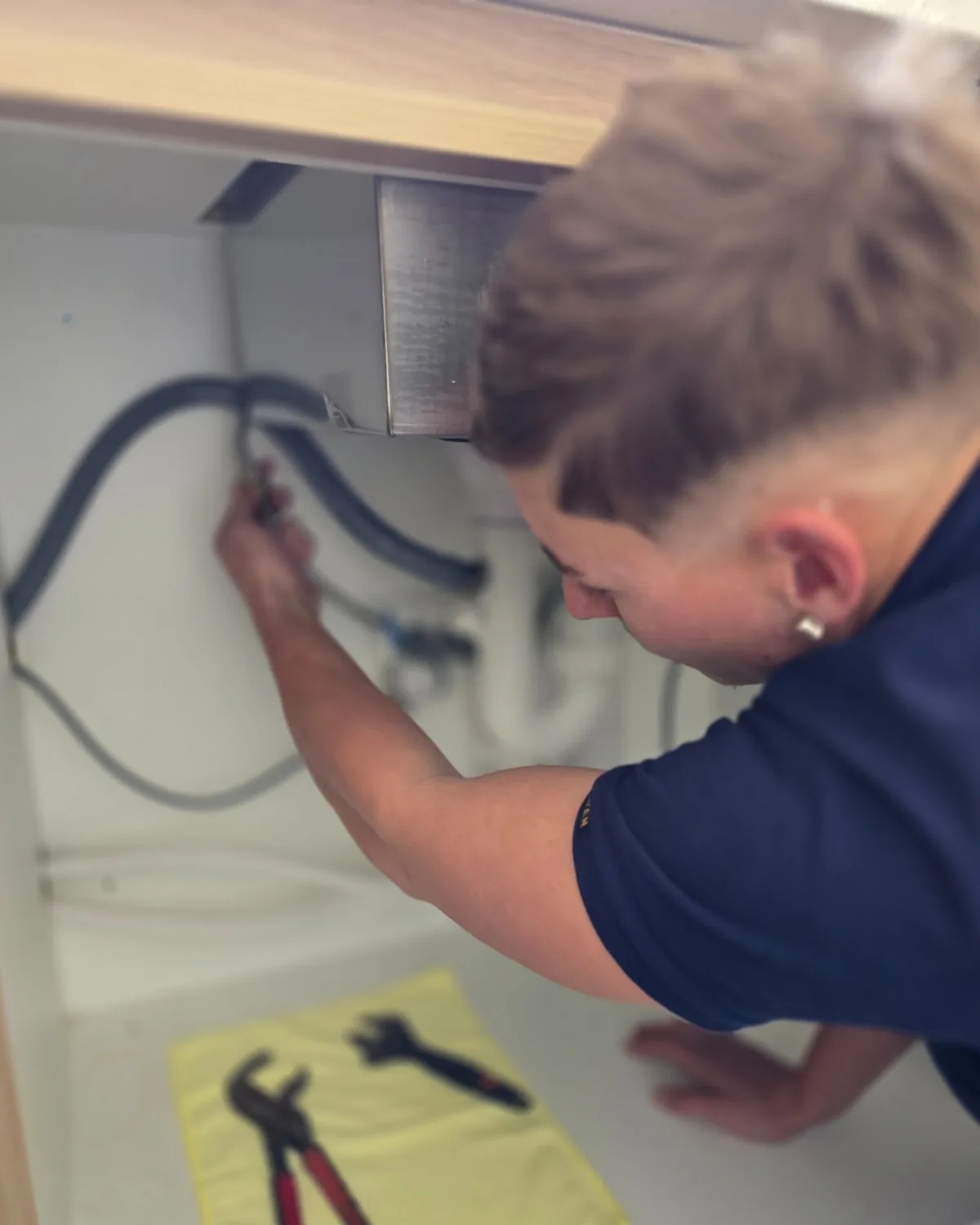
We inspect accessible flexible braided hoses for warning signs such as rust, tea-staining, fraying, bulging, and moisture exposure. These hoses are one of the most common hidden causes of internal household flooding.
Because they are often tucked away under sinks, vanities, toilets, and appliances, many homeowners do not realise there is a problem until the hose starts leaking or fails completely.
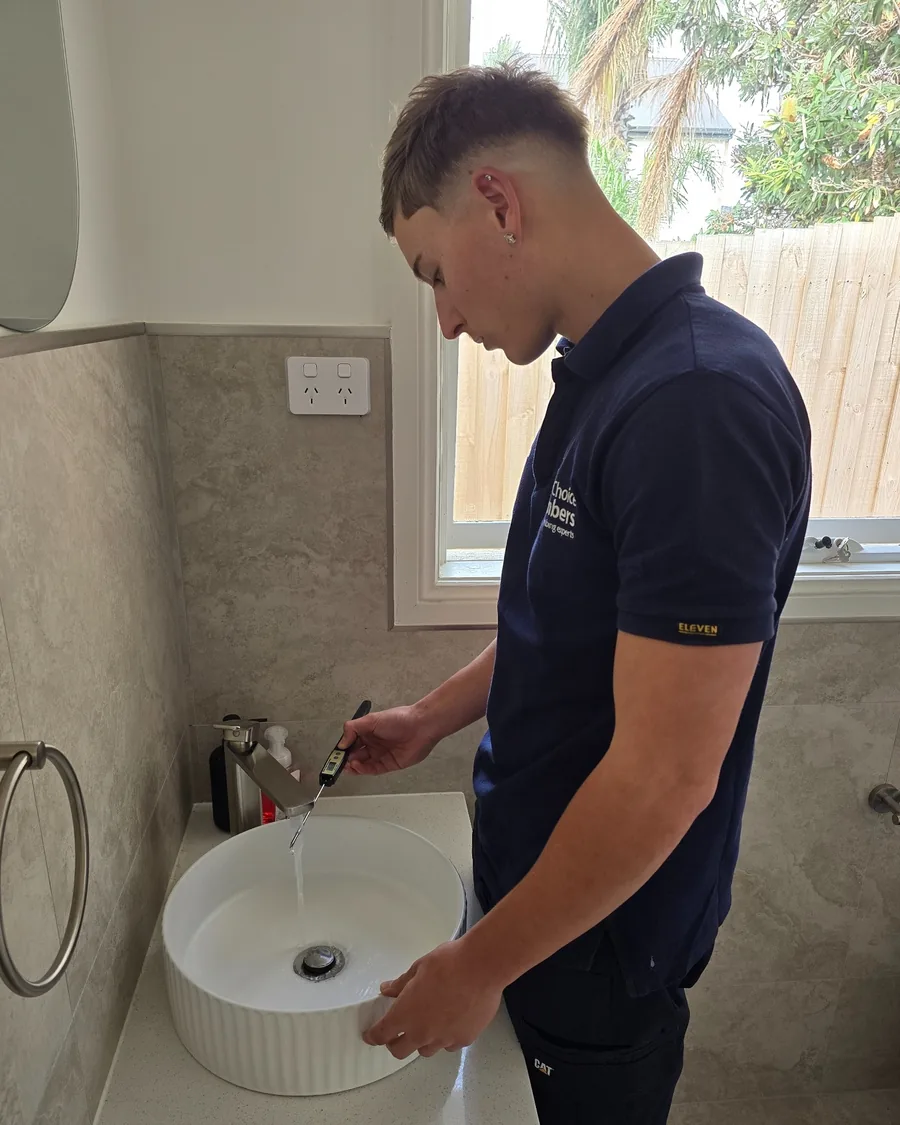
Hot Water Delivery Safety
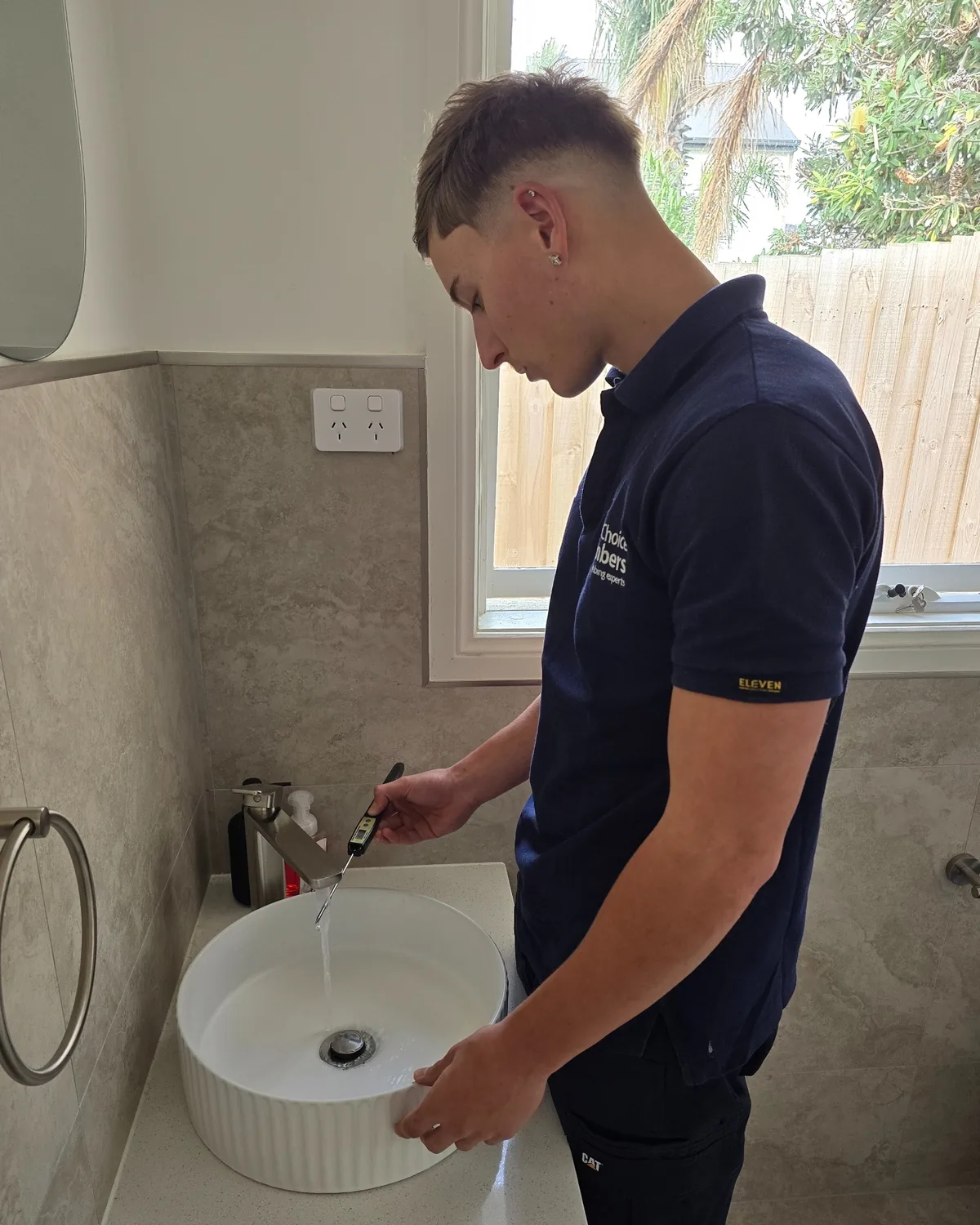
We consider whether the home’s hot water delivery appears to be operating safely at everyday fixtures, especially in bathrooms where safe temperature control matters most.
As a practical homeowner benchmark, bathroom hot water delivery should be safely controlled to a maximum of 50°C at relevant personal hygiene fixtures. This matters not only for comfort, but also for reducing scald risk in daily household use.
For more detail about what is commonly checked, see our Flood Prevention & Compliance Check page.
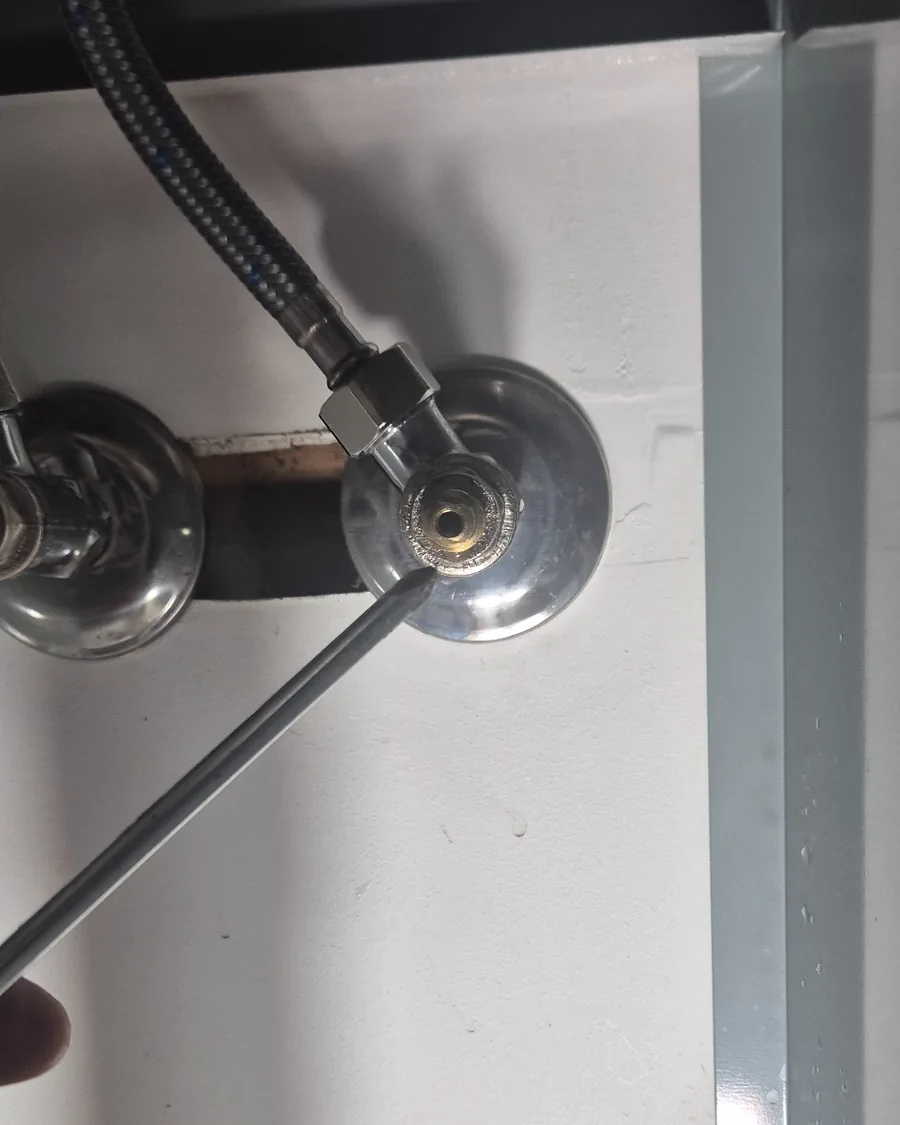
Visible Plumbing Risk Review
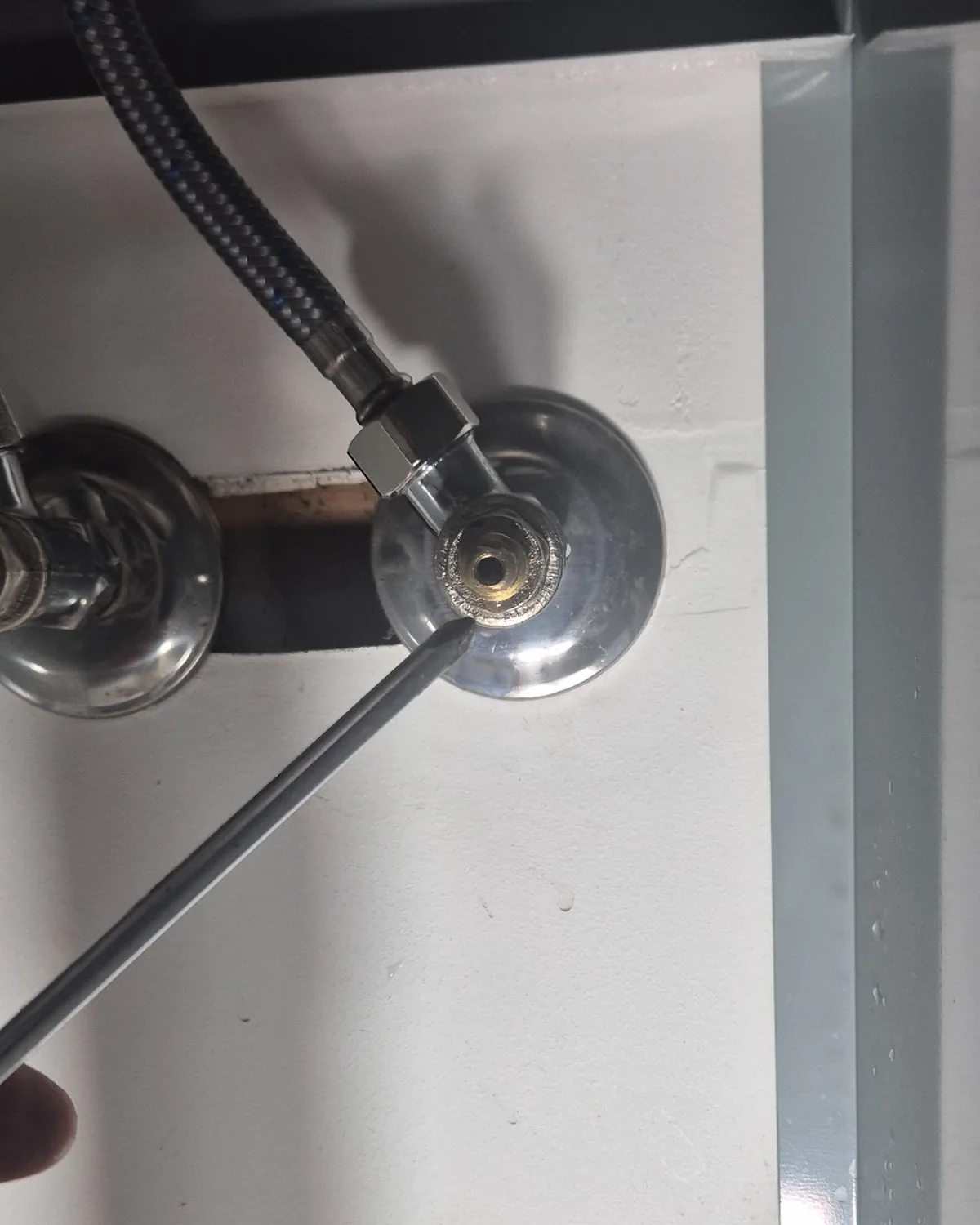
Where suitable and accessible, we also note other visible plumbing conditions that may be relevant to home protection, such as ageing mini stops, leaking valves, moisture around fittings, poor fixture condition, and visible warning signs that may deserve further review.
What the Audit Commonly Covers
High Water Pressure
We check whether the home’s water pressure appears to be running within a safer and more appropriate range. In many Melbourne homes, pressure is above the 500 kPa limit referenced under AS/NZS 3500, which places unnecessary stress on taps, toilets, flexible hoses, valves, appliances, and pipework.
High water pressure is not just a comfort issue. It can play a direct role in burst flexible hoses, repeated fixture failures, noisy pipes, and even burst pipe stress where sections of the plumbing system are already vulnerable.
Flexible Hose Flood Risk
We inspect accessible flexible braided hoses for warning signs such as rust, tea-staining, fraying, bulging, and moisture exposure. These hoses are one of the most common hidden causes of internal household flooding.
Because they are often tucked away under sinks, vanities, toilets, and appliances, many homeowners do not realise there is a problem until the hose starts leaking or fails completely.
Hot Water Delivery Safety
We consider whether the home’s hot water delivery appears to be operating safely at everyday fixtures, especially in bathrooms where safe temperature control matters most.
As a practical homeowner benchmark, bathroom hot water delivery should be safely controlled to a maximum of 50°C at relevant personal hygiene fixtures. This matters not only for comfort, but also for reducing scald risk in daily household use.
For more detail about what is commonly checked, see our Flood Prevention & Compliance Check page.
Visible Plumbing Risk Review
Where suitable and accessible, we also note other visible plumbing conditions that may be relevant to home protection, such as ageing mini stops, leaking valves, moisture around fittings, poor fixture condition, and visible warning signs that may deserve further review.
Why Homeowners Ask for It
Homeowners usually request the audit because they want more than just the visible repair.
They want to know:
- whether anything else in the plumbing system looks risky
- whether high pressure may already be affecting the home
- whether flexible hoses are ageing or corroded
- whether the hot water delivery seems safe
- whether a repair problem may actually be part of a bigger pattern
This is especially valuable in:
- older homes
- renovated properties
- units and townhouses
- homes being prepared for sale
- properties that have not had a licensed plumber inspect them in years
- homes where one visible plumbing issue has already appeared and the owner wants to know whether more risks are present
For many homeowners, this is also about peace of mind. They want to know whether the home is carrying visible preventable risks that should be addressed now rather than discovered later through flooding, fixture failure, or unsafe hot water delivery.
What You Receive from the Audit
The main value of the audit is clarity.
You receive:
- a practical explanation of what visible risks were found
- a clearer understanding of what appears urgent versus preventative
- guidance on whether the immediate issue is isolated or part of a wider pattern
- a better sense of what parts of the plumbing system may deserve attention over time
Where appropriate, this process may also be supported by documented reporting. That can include an initial findings report outlining visible risks identified during the inspection and, where rectification work is completed, a completion or compliance report confirming what was addressed.
This helps put the homeowner back in control. Instead of reacting only after something fails, you get a clearer picture of what is happening in the home’s plumbing system now, along with a better maintenance record of what was identified and what was done.
How the Audit Works
Step 1 — Book Your Plumbing Service
The audit is offered in connection with a suitable plumbing visit, so the first step is simply booking the service you already need.
Step 2 — We Inspect the Visible Risk Areas
Where appropriate and accessible, we inspect the main hidden-risk areas commonly linked to preventable plumbing damage, including pressure, flexible hose condition, hot water safety, and other visible warning signs.
Step 3 — We Explain What We Found
If anything concerning is visible, we explain it clearly and practically. That includes what the risk is, why it matters, and whether any action is worth considering now or later.
Step 4 — We Document Findings Where Appropriate
Where suitable, the process can include documented reporting that records the visible risks identified during the inspection. If recommended rectification work is then completed, a completion or compliance report can also be provided to show what was addressed.
Step 5 — You Decide the Next Step
If no major issue is visible, you have peace of mind. If a risk is found, we explain the options clearly so you can decide what is worth doing and when.
Why This Offer Matters
A lot of homeowners only find out about high pressure, ageing flexi hoses, or unsafe hot water delivery after something has already leaked, burst, or failed.
That is why we include this prevention layer in the first place. We believe a professional plumbing service should not only solve the obvious issue — it should also help the homeowner understand whether the property is carrying avoidable hidden risk.
This also matters from a property-care and duty-of-care point of view. When visible plumbing risks are identified, documented, and — where needed — rectified properly, the homeowner has a clearer maintenance history and stronger evidence that reasonable steps were taken to reduce preventable flood and compliance risks.
If we see a compliance issue and don’t educate the client, we are failing our duty.
To learn more about the wider prevention philosophy behind this offer, visit our Prevention Hub.
Ask for the Complimentary Property Protection Audit When You Book
If you want your plumbing service to do more than just fix the immediate issue, ask about the Complimentary Property Protection Audit when you book.
It is a practical way to understand whether hidden risks such as excessive water pressure, ageing flexi hoses, or unsafe hot water delivery may already be affecting your home behind the scenes.
For many homeowners, this is about protecting one of their biggest investments before a preventable plumbing issue turns into flooding, unsafe hot water, burst hose damage, burst pipe stress, or broader property damage.