

Melbourne’s Trusted
Home Plumbing Experts
Pressure Limiting Valve Installation Melbourne
High water pressure can damage taps, toilets, appliances, and pipework. We test your pressure properly and install the right long-term solution to protect your plumbing.

 VBA Licensed Insured
 Master Plumbers Member
 Fixed Upfront Pricing
 Local Family Owned

Sam & Natasha
Founders, Your Choice Plumbers
Melbourne’s Trusted
Home Plumbing Experts
Pressure Limiting Valve Installation Melbourne
High water pressure can damage taps, toilets, appliances, and pipework. We test your pressure properly and install the right long-term solution to protect your plumbing.

Sam & Natasha
Founders, Your Choice Plumbers
VBA Licensed Insured
Master Plumbers Member
Fixed Upfront Pricing
Local Family Owned
Does Your Home Need a Pressure Limiting Valve?
If you need a pressure limiting valve service, the most important first step is finding out whether your home’s incoming water pressure is actually too high. Many Melbourne homeowners live with excessive mains pressure without realising it, and the symptoms often show up as leaking taps, leaking toilets, burst flexible hoses, noisy pipework, or premature wear on hot water systems and appliances.
At Your Choice Plumbers, we treat pressure reducing valve installation as both a repair and a preventative plumbing service. In many cases, once the pressure is tested and the layout is confirmed, pressure reducing valve installation can be completed on the same visit. We check the pressure properly, explain what the readings mean in simple homeowner language, and install a compliant solution where needed to help protect your home from avoidable plumbing damage. If high pressure has already caused other issues, we can also help with related problems such as leaking tap repairs, leaking toilets, water hammer noisy pipes, burst pipe repairs, and water leak detection.
For many homes, this is not just about stronger or weaker flow at the tap. It is about whether the full plumbing system is being exposed to pressure that is too high day after day. In Melbourne, we regularly see front yard meter assemblies, older copper lines, ageing valves, and flexible hoses all coping with more pressure than they should. That is why proper diagnosis matters before damage becomes a bigger repair bill.
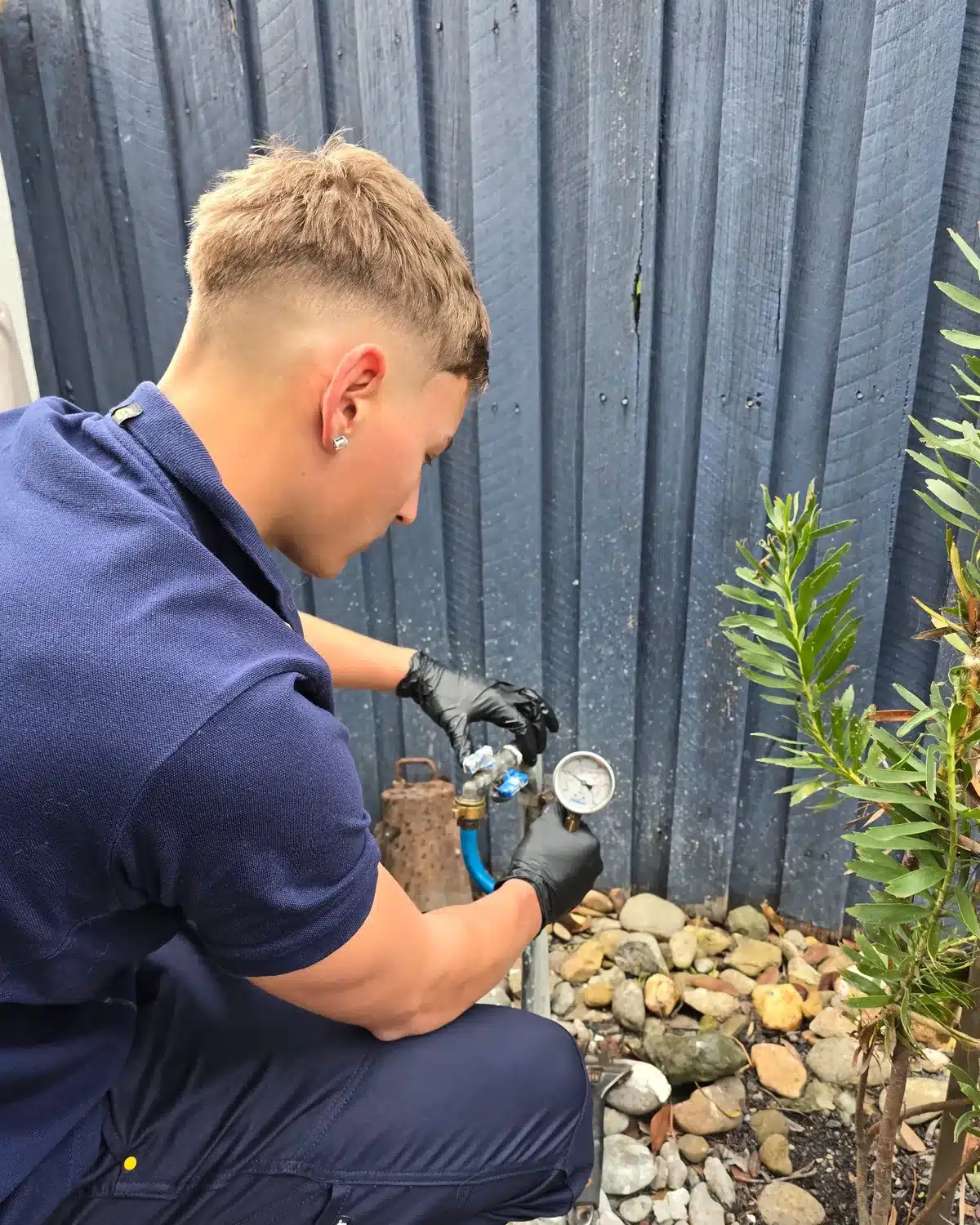
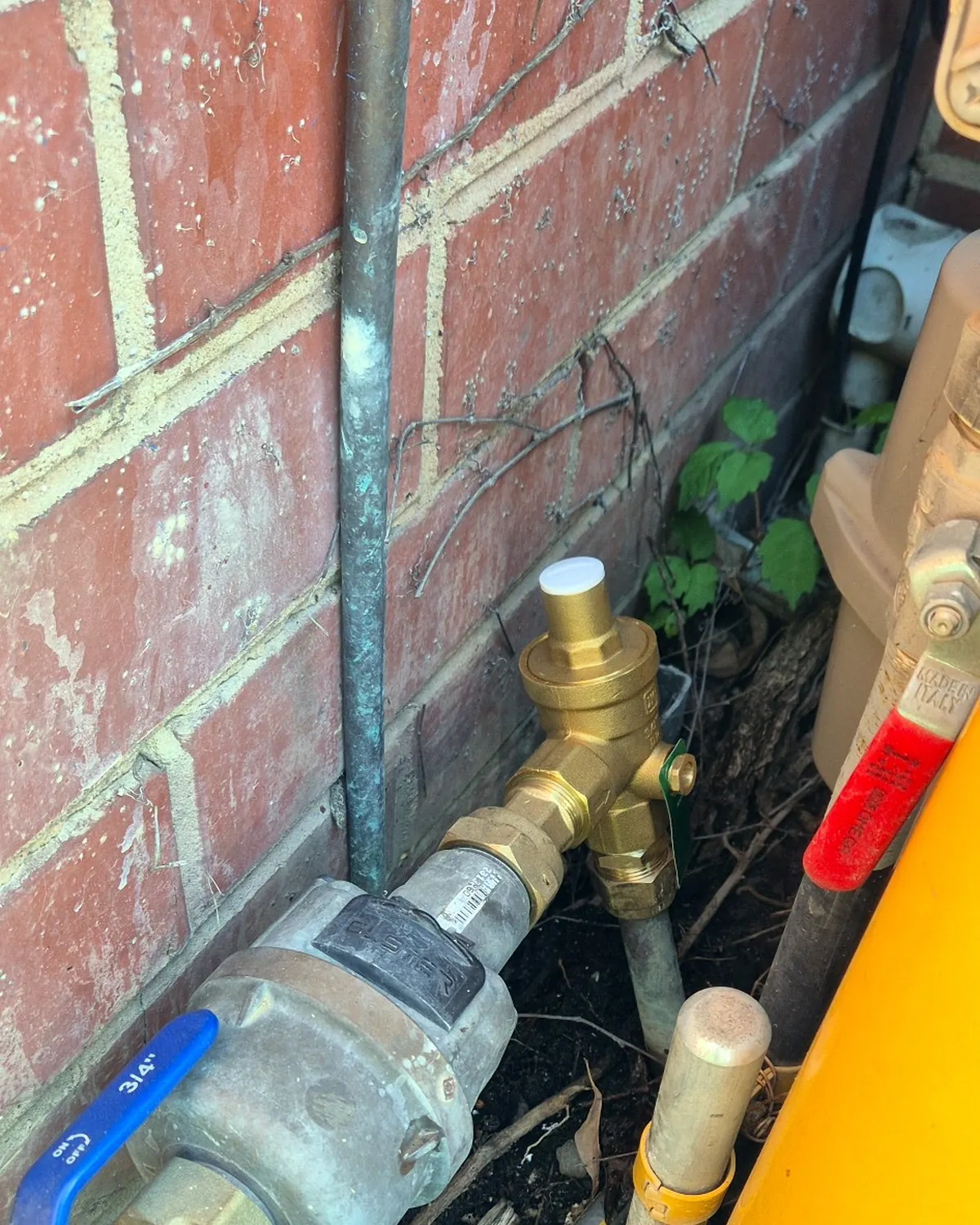
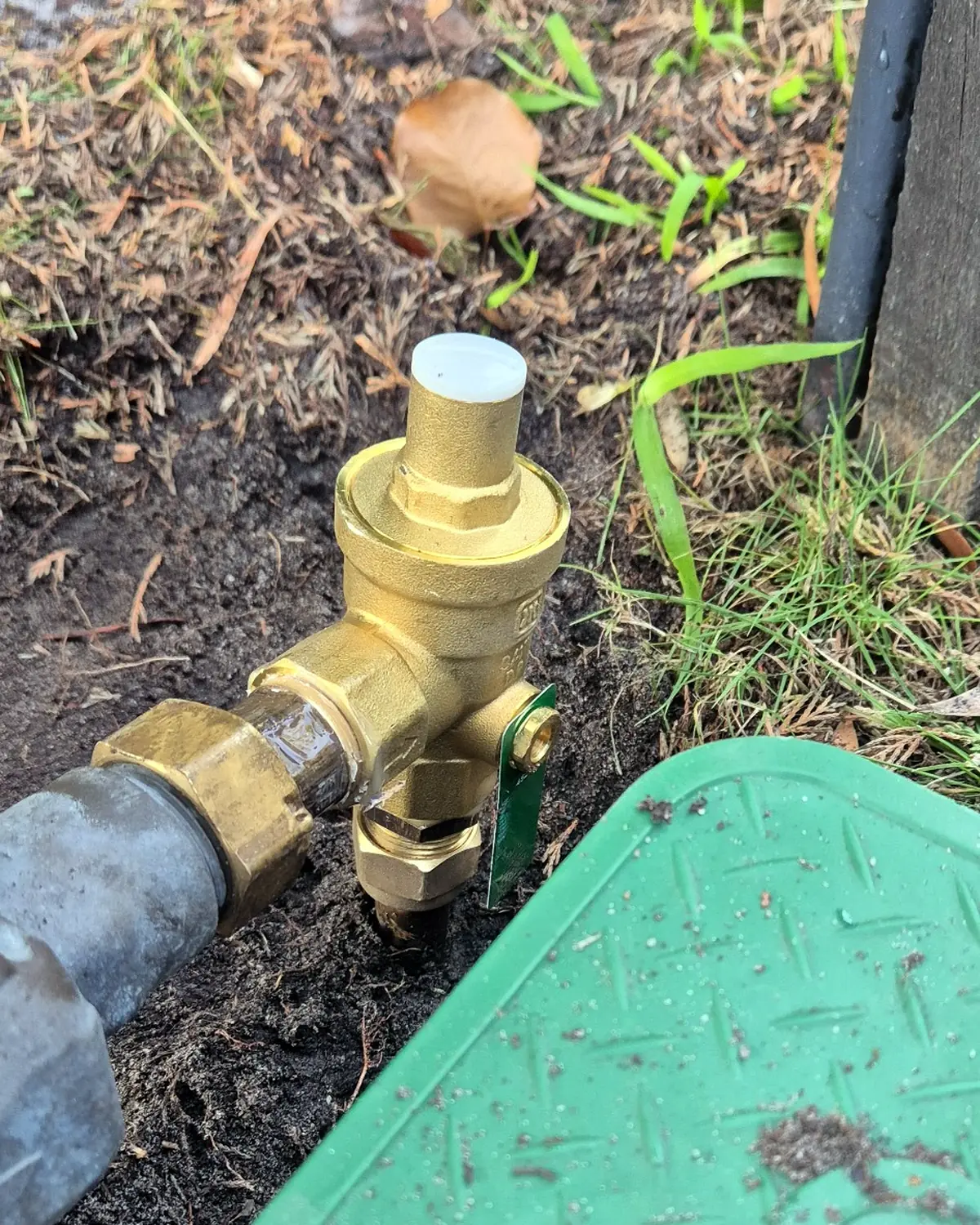
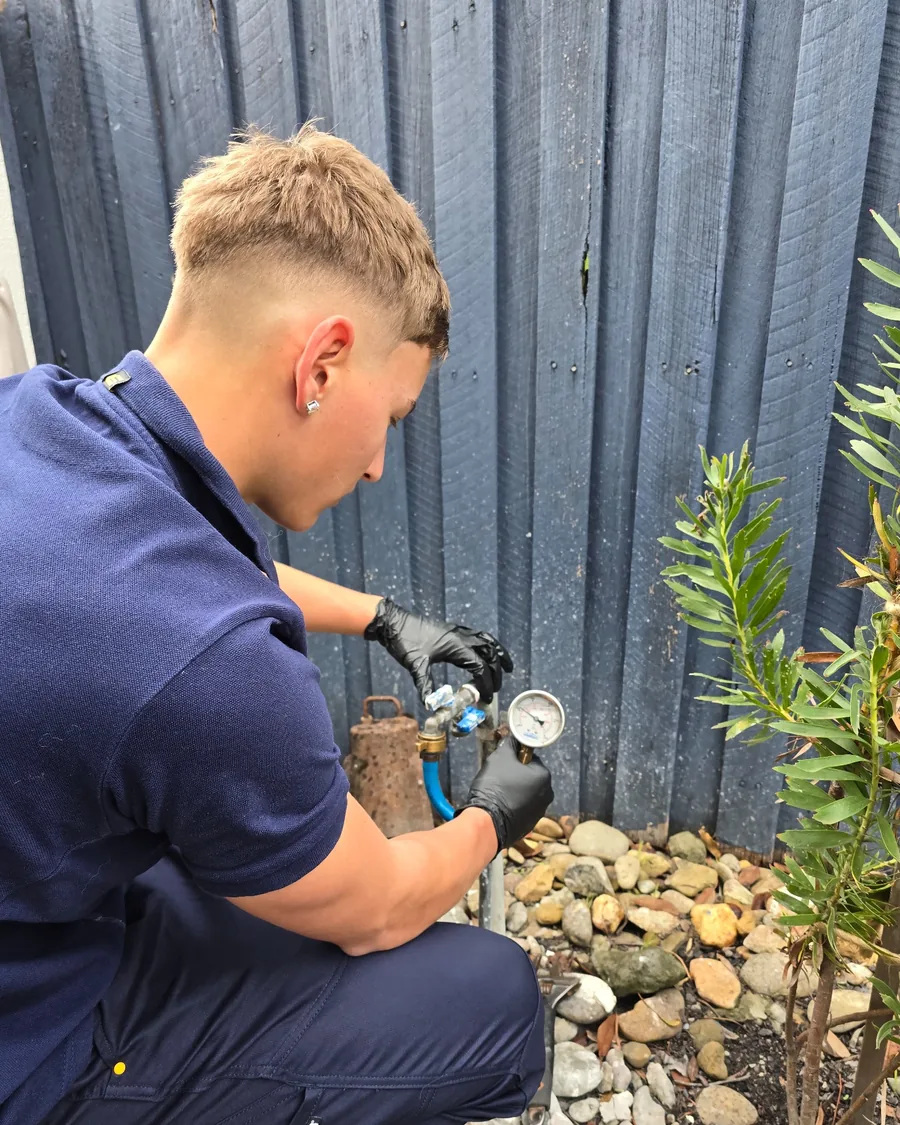
Water Pressure Testing & Pressure Limiting Valve Installation Work in Melbourne
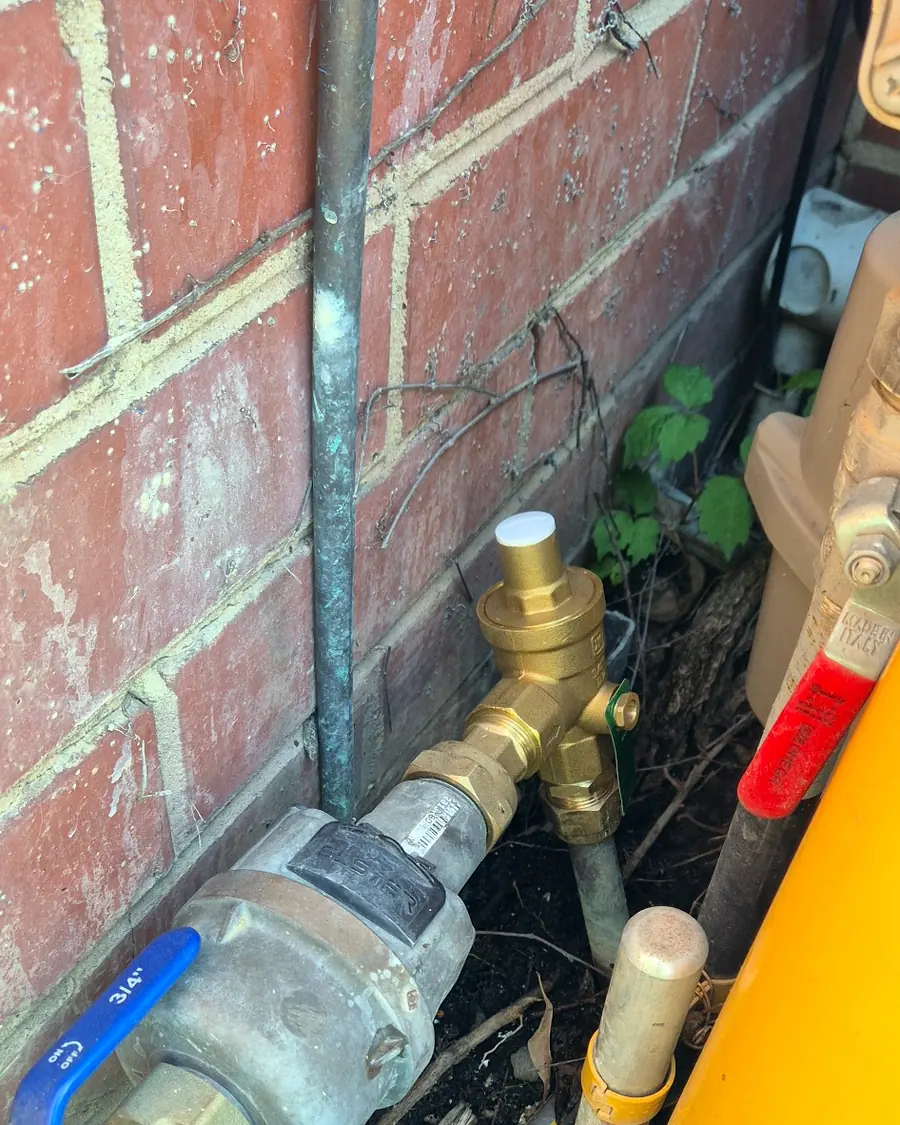
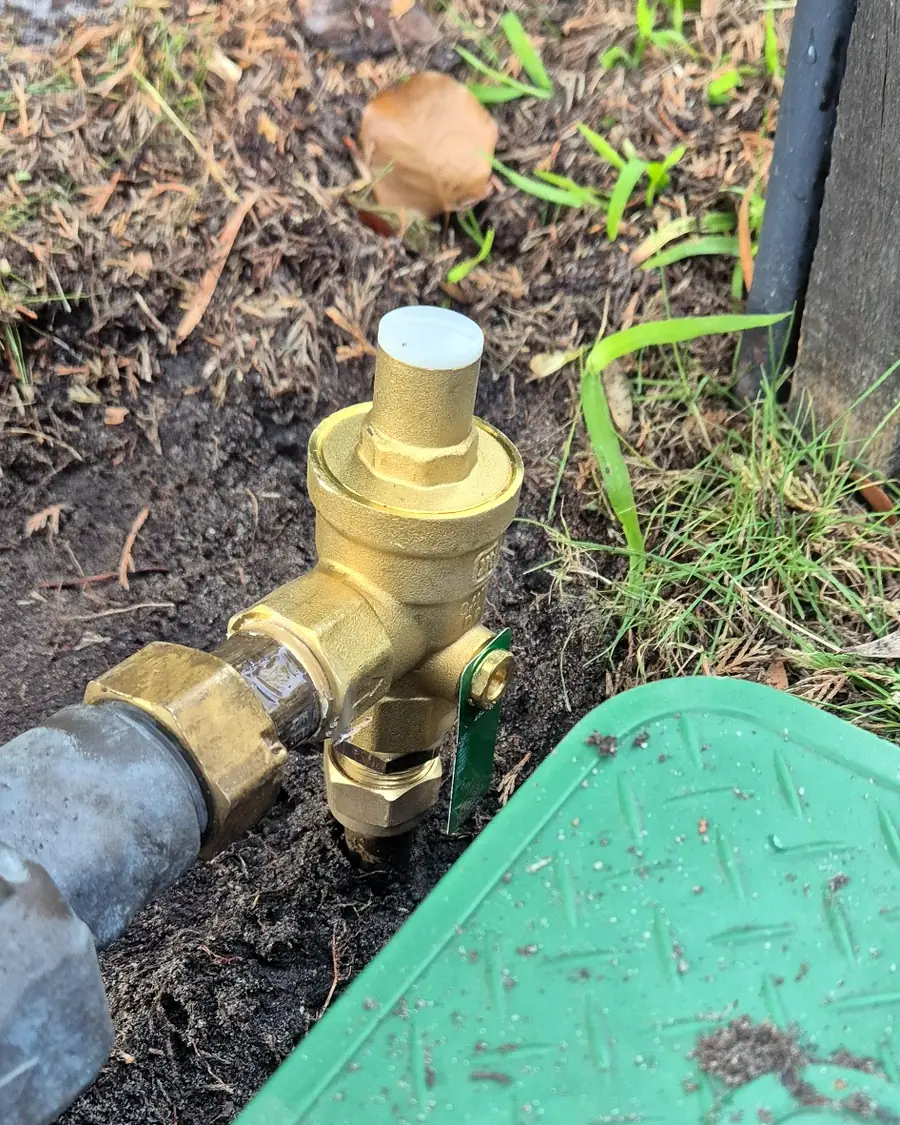
Pressure Limiting Valve Melbourne
If your home’s water pressure is too high, a pressure limiting valve Melbourne service helps reduce that incoming pressure to a safer, compliant level. At Your Choice Plumbers, we test the pressure, explain the risks clearly, and install the right pressure reducing valve to protect your taps, toilets, flexible hoses, appliances, and hot water system from unnecessary stress and future damage.
Will a pressure limiting valve make my shower pressure too low?
Not when it is selected and installed properly. A PRV reduces excessive pressure before it travels through the home, while compliant shower outlets already control flow at the outlet.
Do I need a pressure limiting valve in Melbourne?
If your static water pressure is over 500 kPa, a pressure limiting valve is usually needed to bring the pressure back to a safer level and better protect your home’s plumbing system.
What does a pressure reducing valve do?
It reduces the incoming mains water pressure before it travels through the home, helping protect fixtures, pipework, appliances, and flexible hoses from constant stress.
Can high water pressure damage my plumbing?
Yes. High pressure can shorten the life of taps, toilets, mixer cartridges, dishwashers, washing machines, hot water systems, and flexible hoses.
Is this urgent if nothing is leaking yet?
It can still be important to act early. High pressure often causes damage gradually before a visible leak or burst happens.
Can you test my pressure and install a PRV the same day?
In many cases, yes. Once we test the pressure and confirm the setup, we can often complete the pressure reducing valve installation on the same visit.
Who should I call for pressure reducing valve installation near me?
Call a licensed plumber who understands high-pressure diagnosis, meter assembly layouts, and compliance requirements. Your Choice Plumbers provides pressure reducing valve installation across Melbourne.
5-Star Trust: What Our Local Customers Say About Sam, Natasha & The Team
Why a Pressure Limiting Valve Matters
A pressure limiting valve, also called a pressure reducing valve or PRV, helps control the water pressure entering your home. That matters because water pressure that is too high does not just feel “strong” at the tap — it places constant strain on the entire plumbing system.
When pressure stays too high for long periods, the damage often appears in smaller warning signs first. A tap may start dripping sooner than expected. A toilet inlet valve may wear out early. Flexible hoses can become a major flood risk. A hot water unit may be placed under unnecessary stress. In other homes, the first warning sign is not a small leak at all — it is noisy pipes, water hammer, or even a burst pipe.
That is why a pressure limiting valve installation Melbourne service is not just about regulation. It is about protecting the home, reducing long-term plumbing wear, and preventing avoidable damage before it becomes expensive.
The 500 kPa compliance limit in simple homeowner language
This is the number homeowners need to understand first. Under Australian plumbing standards, domestic water pressure should not exceed 500 kPa. If your pressure is above that level, your home may be operating outside the recommended maximum and your plumbing fittings can be exposed to more stress than they were designed for. We regularly see Melbourne homes testing well above that figure, especially older properties, townhouse developments, and homes where nobody has checked the pressure in years.
What a PRV protects inside the home
A properly installed PRV helps protect the parts of the plumbing system that usually wear out quietly before a major failure happens. That includes:
- taps and mixer cartridges
- toilets and inlet valves
- flexible braided hoses
- washing machines and dishwashers
- hot water systems
- older copper pipework
- appliance connections and small internal seals
It also helps reduce the constant pressure load on the whole system, not just the fixture that happens to be giving trouble today.
Why “good pressure” can still be a problem
Many homeowners think high pressure is a positive because the shower feels strong or the garden tap runs hard. But strong flow and excessive static pressure are not the same thing. A home can feel powerful at the tap while still being too hard on valves, seals, hoses, and older fittings behind the scenes. That is why pressure testing matters more than guessing.
The real risk if high pressure is ignored
Left unchecked, high pressure can lead to repeated fixture failures, hidden moisture issues, burst flexi hoses, water hammer, appliance damage, and avoidable callouts. In some homes, the first major sign is a flooded vanity cupboard, a failed toilet valve, or a burst pipe under the floor. Prevention is almost always cheaper than waiting for the pressure to prove it is a problem.
When a Pressure Reducing Valve Is the Right Next Step
A pressure reducing valve is often the right solution when testing confirms that the incoming mains pressure is too high. Many homeowners search for help after noticing symptoms such as leaks, banging pipes, or repeated plumbing failures, but the real cause can be excessive pressure coming into the property.
When pressure limiting valve installation is especially important
This service is especially valuable for:
- older homes with ageing pipework
- homes with repeated tap or toilet issues
- properties where flexible hoses are already showing age or tea staining
- homes with a history of burst pipes or pressure-related leaks
- townhouse and apartment layouts where shared or unusual supply setups can create pressure problems
- renovated homes where new mixers or appliances have been added onto an older high-pressure supply
- properties where the hot water system or tempering components are under extra strain
Signs your home may have high water pressure
These signs are often more connected than homeowners realise. Common warning signs include:
- taps that start leaking too often
- toilets that keep developing faults
- pipe banging or water hammer
- a hot water system under repeated stress
- burst or aged flexible hoses
- strong, aggressive water flow at fixtures
- unexplained wear across multiple plumbing items
- repeated replacement of washers, valves, or cartridges
- noises in the pipework when appliances shut off quickly
If more than one of these is happening at the same time, high pressure becomes much more likely as an underlying cause.
When a PRV on its own may not be enough
In some cases, high pressure is only part of the problem. If damage has already occurred, other repairs may still be needed. For example, you may also need burst pipe repair, water leak detection, leaking shower repair, or flexible hose replacement and safety checks depending on what the high pressure has already damaged.
If the pressure issue has been ignored for a long time, the right job may be pressure control plus repair of the parts that have already been weakened.
What should I do if I think the pressure is too high?
Do not rely on guesswork or assume the problem is just “one bad tap.” The best next step is to have the water pressure tested properly and the meter setup assessed. That tells you whether you need a water pressure reducing valve Melbourne solution, whether the existing valve has failed, or whether a wider plumbing issue is already developing.
What We Typically Find on Site
Every home is different, which is why proper diagnosis matters. Some Melbourne properties have pressure that is high all day. Others fluctuate throughout the day depending on neighbourhood demand. We also see differences based on whether the property is a freestanding home, townhouse, older apartment, or a unit with a more complex shared supply arrangement.
Standard homes with meter assembly installation
For many freestanding Melbourne homes, the cleanest solution is a pressure reducing valve installed at or near the front water meter assembly so the pressure is controlled before it enters the home. This is common in houses with front yard meters, exposed meter risers, and older copper services. Where needed, we may also replace associated fittings such as tails, nipples, or unions so the installation is solid and serviceable.
Townhouses and shared supply layouts
This is where experience matters. Some townhouse developments have shared mains, separate private meters off a common line, or unusual layouts where the problem is being created before the water reaches the individual unit. In these cases, the correct installation point matters just as much as the pressure reading itself. A valve installed in the wrong location may not solve the actual issue, which is exactly why some noisy-pipe or repeated-failure jobs keep happening until the shared layout is understood properly.
Older apartments and unit blocks
In older apartment setups, there may be an individual unit meter without proper pressure control, or an exposed individual supply line where a PRV can be installed for that unit. In other buildings, the pressure issue may need to be considered at the common supply point instead. We also see apartment owners who have renovated kitchens or bathrooms and then start experiencing premature wear on new mixers because the incoming pressure was never controlled.
Pressure-related damage that has already started
By the time we arrive, the pressure problem has often already left clues. It is common for us to find that the high pressure has already contributed to:
- leaking mixer taps
- failing toilet valves
- noisy pipework
- water hammer issues
- stressed hot water components
- older copper pipes or joints under strain
- flexi hoses showing age or corrosion
- appliances with shortened service life
- repeated minor repairs that keep returning
Pressure readings that explain the whole story
One of the most useful things for homeowners is seeing the actual number. We have seen real jobs where the pressure was around 680 kPa, 800 kPa, and even 860 kPa. Those readings make it much easier to explain why a tap keeps leaking, why pipes are noisy, or why a burst has happened in a home that otherwise seemed fine. It turns a vague plumbing annoyance into a clear diagnosis.
Why High Water Pressure Happens
Pressure can fluctuate during the day
Water pressure is not always constant. We regularly see situations where pressure readings vary at different times, which means a home may seem fine at one point in the day but still be exposed to excessive pressure at other times. In practical terms, that means a property might read lower when the neighbourhood is busy, then climb sharply later when demand drops and the mains pressure pushes harder against the house plumbing.Older homes are often more vulnerable
Older pipework, older fittings, and ageing appliances are less forgiving when pressure stays too high. A house may have “handled it for years,” but that does not mean the stress is not already causing damage behind the scenes. Older copper, ageing stop taps, worn toilet valves, and older flexi hoses can all be more vulnerable once pressure remains high for long periods.High pressure often shows up as other plumbing problems first
Homeowners often call us for the symptom rather than the cause. They may book us for leaking taps, a blocked toilet with a worn inlet issue, noisy pipes, or even a hot water system repair — and then we discover that high pressure is part of the wider problem.Why Melbourne property type matters
Melbourne homes are not all built the same, and the setup can change the diagnosis. Homes on stumps may show pressure-related noise and vibration differently from slab homes. Older units and flats can have exposed service lines or cupboard meters that change where a PRV should go. Townhouses can have shared supply arrangements that make a private meter solution ineffective if the real pressure problem starts upstream.How We Handle Pressure Reducing Valve Installation
Step 1 — Test the water pressure properly
The starting point is always the actual reading. We check the static water pressure using the correct equipment so you are not guessing. This tells us whether your home is over the recommended 500 kPa limit and whether a pressure regulator valve is likely needed.
Step 2 — Assess the property setup and installation point
A good PRV installation is not only about the valve itself. We look at the meter assembly, pipe layout, and property type to work out where the PRV should go. That is especially important for units, older apartments, or townhouses with shared supply arrangements, where installing it in the wrong place can leave the real problem unsolved.
Step 3 — Recommend the right solution
Once the pressure and layout are clear, we explain the risks in plain language and recommend the right pressure limiting valve installation approach. If we also find related risks such as ageing hoses, signs of existing leaks, or symptoms pointing toward water hammer or hidden water leaks, we will explain those as well so you understand the full picture.Step 4 — Install the valve correctly
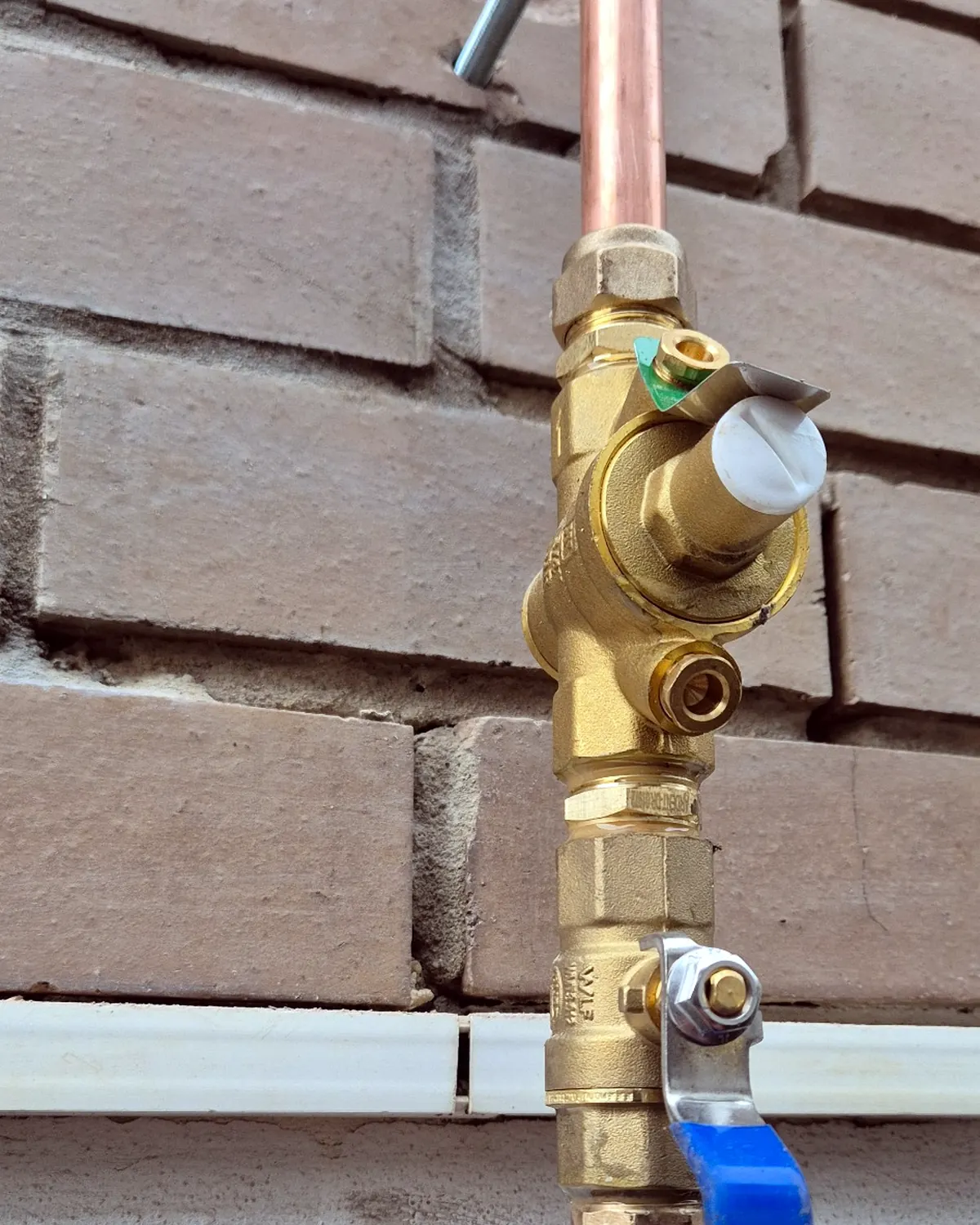
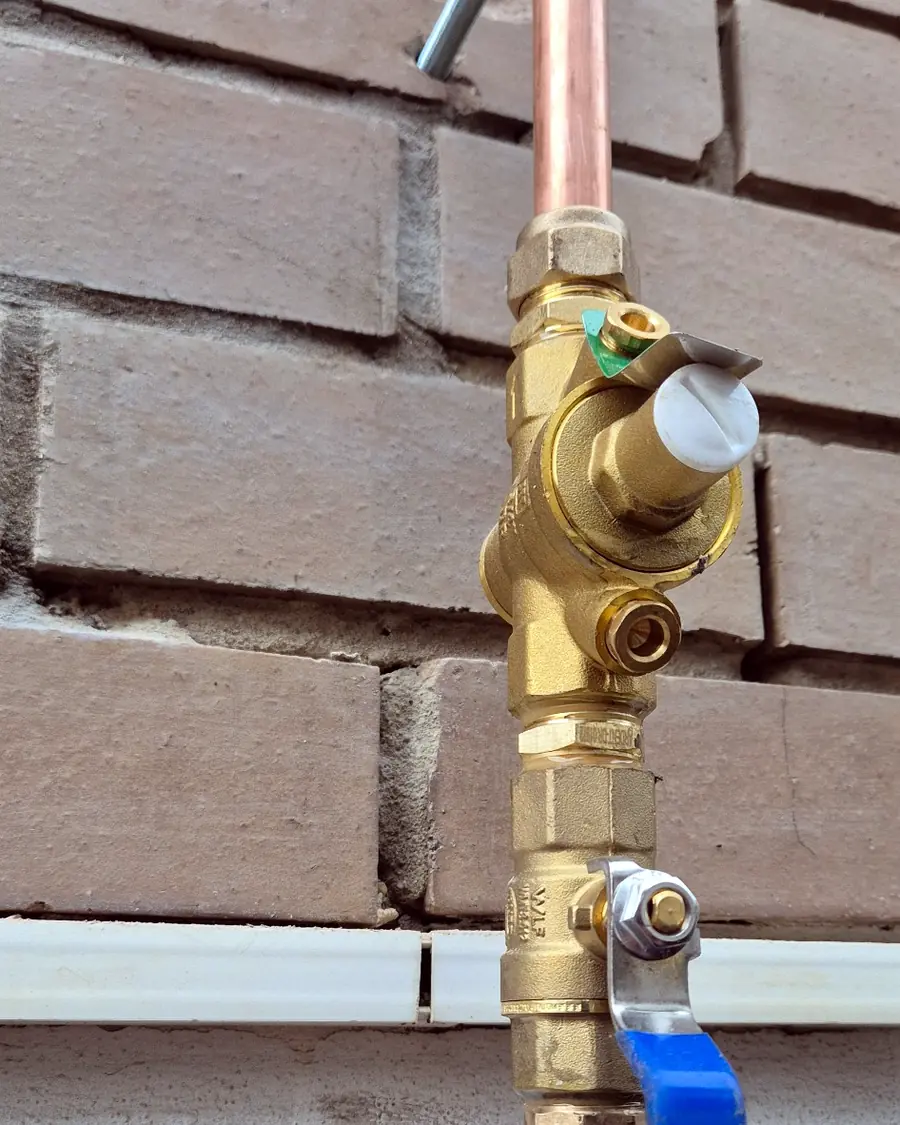
We install the pressure reducing valve using quality components and compliant plumbing methods. Where needed, this may also involve associated meter assembly fittings such as tails, nipples, or connectors to ensure the installation is done properly, sits correctly, and can be serviced later if required.
Step 5 — Re-test and confirm the outcome
Once the valve is installed, we re-check the pressure to confirm that the water is being reduced to a safer, compliant level. This is the point where homeowners usually get the clarity they were missing before — the pressure is measured, the valve is in, and the risk has been addressed properly rather than guessed at.
Step 6 — Help protect the rest of the home
Because high pressure can affect more than one fixture, we also guide homeowners on the wider protection side of the job. That may include checking flexible hoses, identifying hidden risks, and recommending preventative steps through our Property Protection Offer and broader prevention services. Where needed, we can also point you toward follow-up repair work before pressure-related wear turns into larger damage.Pressure Limiting Valve Melbourne – Real Case Studies & Results from Sam, Natasha & The Team
Noisy Pipes Fixed with Pressure Control in Carrum VIC 3197
At a Carrum townhouse, the owner was hearing noisy pipes in the wall at all hours, even when she was not using water inside her own home. Testing showed the property was part of a three-townhouse shared water supply system, with extremely high pressure of 860 kPa on the common 25mm water service. Because the noise was coming from the shared main rather than her individual fixtures, we installed a 25mm Zurn pressure regulating valve at the common meter. The next day, the owner confirmed the pipe noise was gone and she had finally had a good night’s sleep. Read more: Noisy pipes in Carrum fixed with pressure control on the shared mainKitchen Tap Installed and High Water Pressure Corrected in Ormond VIC 3204
At an Ormond home, what started as a kitchen tap upgrade uncovered a much bigger plumbing risk. Before installing the homeowner’s new Nero York Pull Out Sink Mixer, we tested the home’s static water pressure and found it was running at 800 kPa, well above the recommended 500 kPa limit. A Zurn pressure regulating valve was installed at the meter to reduce the pressure to a safer compliant level before the new kitchen mixer was fitted, helping protect the tap, flexible hoses, valves, appliances and wider plumbing system from pressure-related damage. Read More: Kitchen tap installed and high water pressure corrected in OrmondBurst Copper Pipe Repaired and High Pressure Reduced in Beaumaris VIC 3193
At a Beaumaris home, the owner noticed a faint hissing sound under the kitchen floor and turned off the water before the leak became worse. We accessed the underfloor crawl space and found a hairline split in a copper T-section serving the dishwasher line. The damaged section was cut out and replaced with Type B copper pipe, B-Press fittings and proper saddle clips. After the repair, we tested the water pressure and found it was too high at 680 kPa, so a 20mm Zurn pressure regulating valve was installed at the meter to protect the repaired pipe and the whole plumbing system. Read more: Burst copper pipe repaired and high water pressure reduced in BeaumarisWhat these case studies show homeowners
These real jobs show why pressure reducing valve Melbourne services are so important. High pressure does not always announce itself the same way. In one home it sounded like noisy pipes. In another, it showed up during a simple tap upgrade. In another, it likely contributed to a burst pipe. The common thread was the same: if the pressure is too high, the plumbing system stays under stress until the real cause is addressed.
They also show an important decision-making point for homeowners: the right answer is not always “replace the faulty fitting again.” Sometimes the better long-term move is to stop the pressure causing the same failure pattern across the house. That is the difference between patching symptoms and actually protecting the home.
Compliance, Quality Workmanship, and Long-Term Protection
A pressure limiting valve is not just a convenience upgrade. It is a protection measure that should be handled correctly, using proper diagnosis, appropriate fittings, and the right installation point for the property.
Why compliance matters
When pressure exceeds 500 kPa, the risk is not only to comfort or convenience. It is the long-term stress placed on your home’s plumbing system. Correct pressure reducing valve installation helps bring the system back to a safer operating level and supports better long-term plumbing performance. For homeowners, that means fewer repeat failures, better protection against pressure-related damage, and less chance of being caught out by a preventable flood event.
Why correct installation point matters
Installing a PRV in the wrong place may not solve the actual problem. That is why the property type, meter assembly, and supply layout all matter. Freestanding homes, townhouses, and older apartment setups can each require a different approach. A shared supply problem, for example, may need pressure control upstream rather than only at one internal branch.
Why quality matters in preventative plumbing
A properly installed PRV is part of a broader prevention mindset. If the home is already showing signs of pressure-related wear, we may also recommend checking flexible hoses, investigating hidden leaks, or addressing persistent water hammer and noisy pipes before those issues turn into larger repair bills.
When broader repair or replacement may still be needed
A PRV helps control the cause going forward, but it does not reverse damage that is already there. If high pressure has already weakened a valve, split a hose, stressed a hot water component, or contributed to a pipe failure, those items may still need repair or replacement. That is why proper diagnosis first is so important — it helps separate what must be fixed now from what can be prevented next.
Complimentary Property Protection Audit
Every completed plumbing job with Your Choice Plumbers includes our Complimentary Property Protection Audit to help protect your home from preventable water damage and compliance risks. As part of this process, we check for key issues that many homeowners never realise are putting their property at risk, including:
- excessive water pressure above 500 kPa, which can stress taps, mixers, valves, appliances, and pipework
- flexible braided hoses that may be rusted, swollen, poorly supported, or approaching failure
- hot water temperature risks, including scalding concerns where household delivery temperatures are not properly controlled
- visible signs of ageing plumbing components that may fail unexpectedly

This is especially important on everyday home plumbing visits, because repeated fixture failures, hot water issues, leaks, and valve problems can sometimes point to broader pressure or plumbing system stress.
Related Plumbing Services That Often Connect with High Water Pressure Issues
Service Areas Across Melbourne
We provide professional pressure limiting valve installation Melbourne services across Melbourne, including:
 Plumber Bentleigh
Frequently Asked Questions About Pressure Limiting Valve Installation Melbourne
How do I know if I need a pressure reducing valve?
The best way is to test the incoming water pressure properly. If the reading is over 500 kPa, a PRV may be needed to protect the home and bring the pressure back to a safer level.
Can high water pressure cause leaking taps and toilets?
Yes. High pressure can wear out internal seals, cartridges, valves, and fittings faster than normal, which is why it often shows up as recurring tap and toilet problems.
Can high pressure damage my hot water system?
Yes. Excessive water pressure can place extra stress on hot water components and shorten the life of the system over time. It can also add pressure-related wear to associated valves, hoses, and fittings connected to the system.
Will a pressure limiting valve make my water pressure too low, especially in the shower?
A properly installed PRV should not leave the home with poor performance. It protects the hidden plumbing system before the water reaches the outlet, and compliant showerheads already limit flow at the shower itself.
Is a pressure limiting valve installed at the water meter?
Often yes, but not always. The correct location depends on the property layout, meter arrangement, and whether the home has an individual or shared supply setup.
What is the difference between a pressure limiting valve and a pressure reducing valve?
For homeowners, these terms are often used interchangeably. Both refer to a valve that reduces incoming mains pressure to a safer level.
Can I install a PRV myself?
This is not a DIY job. Pressure control at the meter or main supply should be handled by a licensed plumber who can diagnose the setup correctly and install the valve properly.
What happens if high water pressure is ignored?
The plumbing system can stay under constant stress, increasing the risk of leaking fixtures, burst hoses, water hammer, appliance wear, hidden moisture damage, and more costly repairs later. In some homes, ignoring it long enough can turn a manageable prevention job into a larger repair or replacement problem.
Will a PRV fix water hammer as well?
If excessive pressure is the cause, it can help significantly. But some water hammer issues also involve valve behaviour, pipe support, appliance solenoids, or local fixture conditions, so diagnosis still matters.
What should house water pressure be in Melbourne?
For domestic plumbing, the important compliance figure is that static pressure should not exceed 500 kPa. The safest way to know where your home sits is to have it tested properly rather than relying on how strong the water feels.
Is a pressure limiting valve required if pressure is over 500 kPa?
If testing shows the incoming static pressure is above 500 kPa, pressure control is generally needed to bring the system back to a compliant and safer operating level.
Can Your Choice Plumbers test my water pressure and explain the result clearly?
Yes. We test the pressure properly, explain what the numbers mean in simple language, and recommend the right solution for your home if high pressure is confirmed.
Protect Your Home Before High Pressure Causes a Bigger Plumbing Problem
If your home is running with excessive water pressure, waiting usually does not make the risk smaller — it gives the pressure more time to damage taps, toilets, flexible hoses, hot water components, and older pipework. A properly diagnosed and installed pressure limiting valve is one of the smartest preventative plumbing upgrades you can make for long-term protection.
Where homeowners get caught out is assuming the problem can wait because the house still “works.” In reality, high pressure often keeps building toward the next failure — a burst flexi hose, a recurring leaking tap, a failed toilet valve, a noisy pipe problem, or hidden moisture damage that costs far more once it spreads.
If you need a licensed plumber to test your pressure, explain the findings clearly, and carry out the right pressure reducing valve installation for your home, contact Your Choice Plumbers today.
Left too long, high water pressure can quietly keep damaging your plumbing until the next failure shows up as a burst hose, leaking valve, noisy pipework, or hidden water damage.