

Melbourne’s Trusted
Home Plumbing Experts
Flexible Hose Replacement Melbourne

 VBA Licensed Insured
 Master Plumbers Member
 Fixed Upfront Pricing
 Local Family Owned

Sam & Natasha
Founders, Your Choice Plumbers
Melbourne’s Trusted
Home Plumbing Experts
Flexible Hose Replacement Melbourne
Old, rusty, or tea-stained flexible hoses can burst without warning and cause serious water damage. We inspect and replace high-risk flexi hoses before they fail.

Sam & Natasha
Founders, Your Choice Plumbers
VBA Licensed Insured
Master Plumbers Member
Fixed Upfront Pricing
Local Family Owned
Flexible Hose Replacement Melbourne for Safer Homes
Flexible hoses, also called flexi hoses or braided hoses, are small plumbing components found under sinks, basins, toilets, laundries and appliances — but when they fail, the damage can be major. At Your Choice Plumbers, we provide professional flexible hose replacement Melbourne homeowners can rely on to reduce the risk of sudden internal flooding, hidden leaks and water damage.
Our approach is not just to replace the hose that has already failed. We check the condition of nearby flexible hoses, water pressure, isolation valves and common warning signs such as rust, tea-staining, kinking, bulging, poor support, moisture exposure and poorly installed connections. This is part of our wider prevention-focused plumbing approach and our complimentary Property Protection Audit.
If you have rusty flexi hoses under the sink, a leaking flexible hose under a bathroom vanity, a toilet cistern flexi hose leaking, old washing machine hoses, or flexible hoses that have not been checked for years, it is worth having them inspected before they turn into a burst hose emergency.
In Melbourne homes, we commonly find flexi hose risks in older California bungalows, renovated townhouses, flats, units, family homes and investment properties where taps, toilets and appliances may have been upgraded over time without the whole plumbing system being properly reviewed. A single burst flexi hose Melbourne homeowners ignore can quickly turn into damaged cabinetry, wet flooring, swollen skirting boards, ceiling damage below, insurance stress and costly restoration work.
Flexible Hose Inspection & Replacement Work in Melbourne
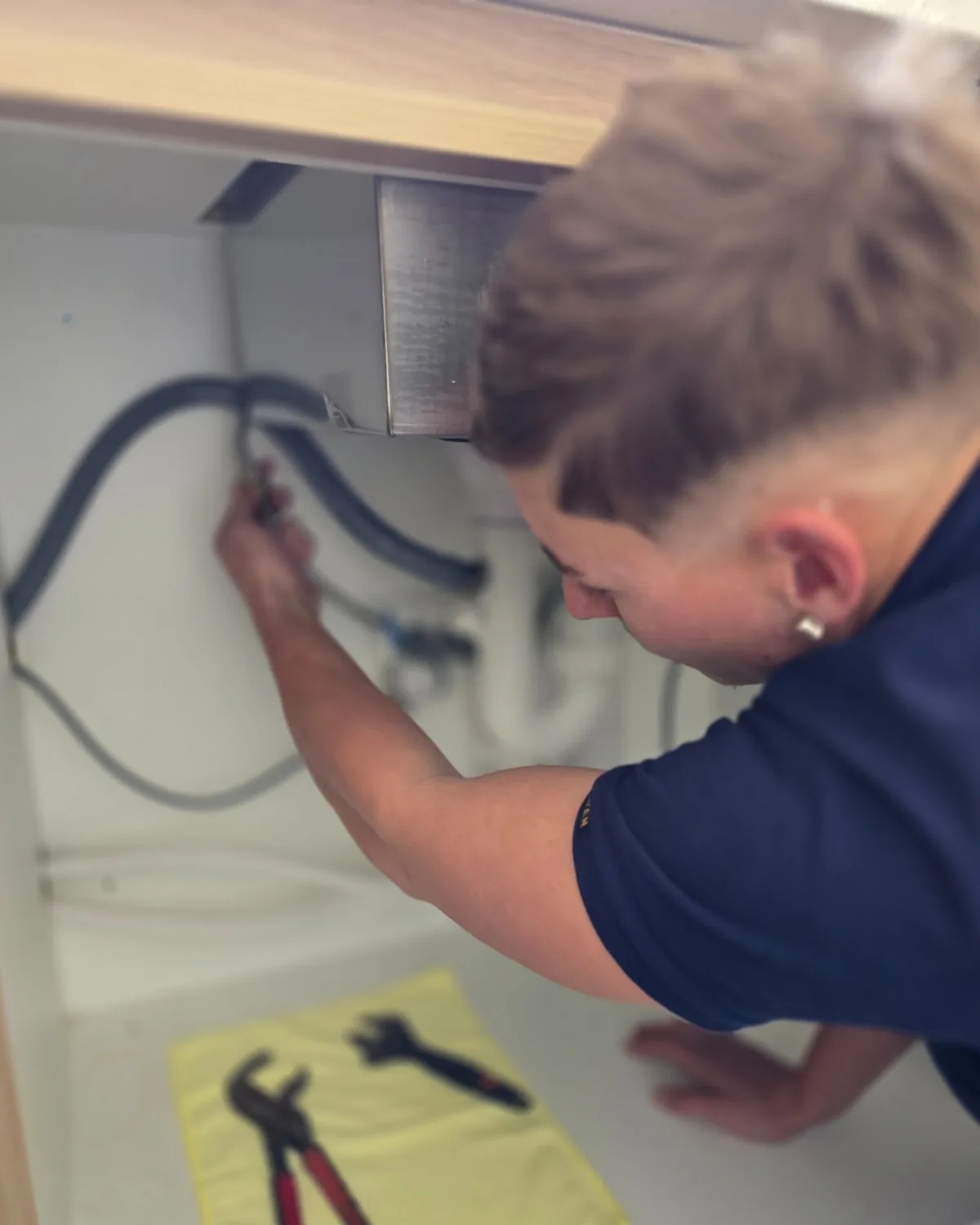
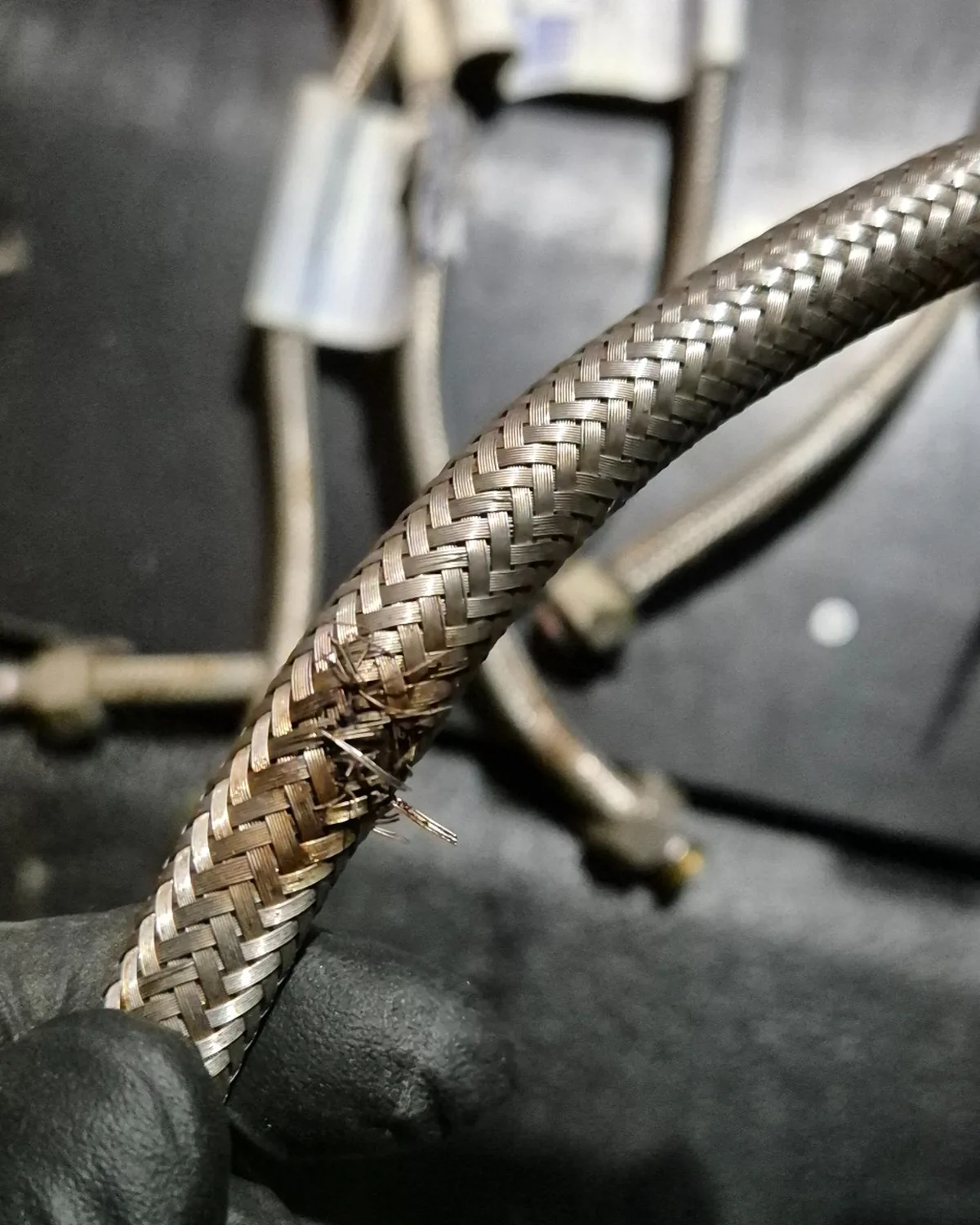
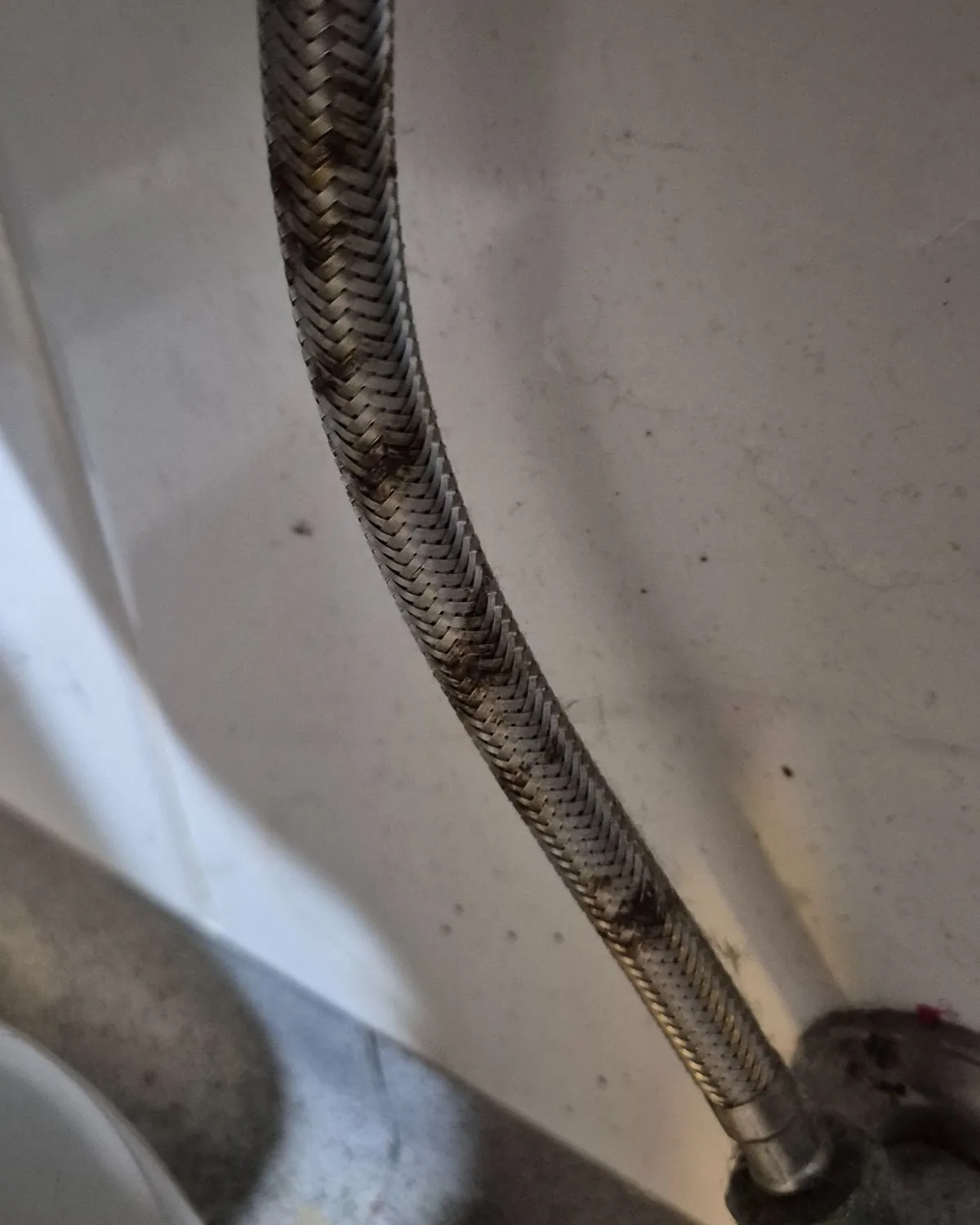
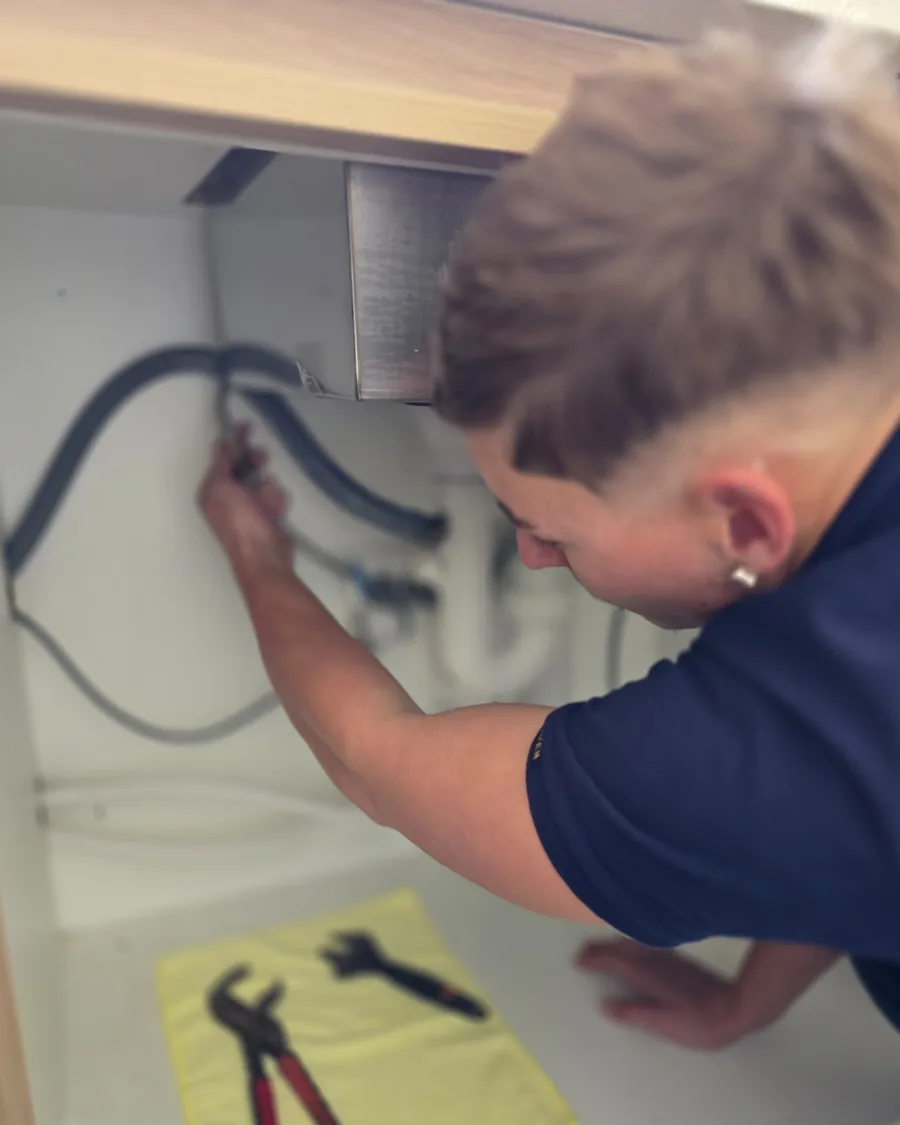
Flexible Hose Replacement Melbourne
Flexible hose replacement Melbourne services help prevent sudden internal flooding caused by old, rusty, kinked or failing braided hoses under sinks, toilets, vanities, laundries and appliances. Your Choice Plumbers can inspect your flexi hoses, replace high-risk hoses, check your water pressure and identify hidden flood risks before they become expensive water damage.
What should I do if a flexi hose bursts under my sink?
Turn off the water at the nearest isolation valve if there is one. If not, turn the water off at the meter, contain the water where possible, and call a licensed plumber for urgent flexi hose repair.
How do I know if my flexi hose is about to burst?
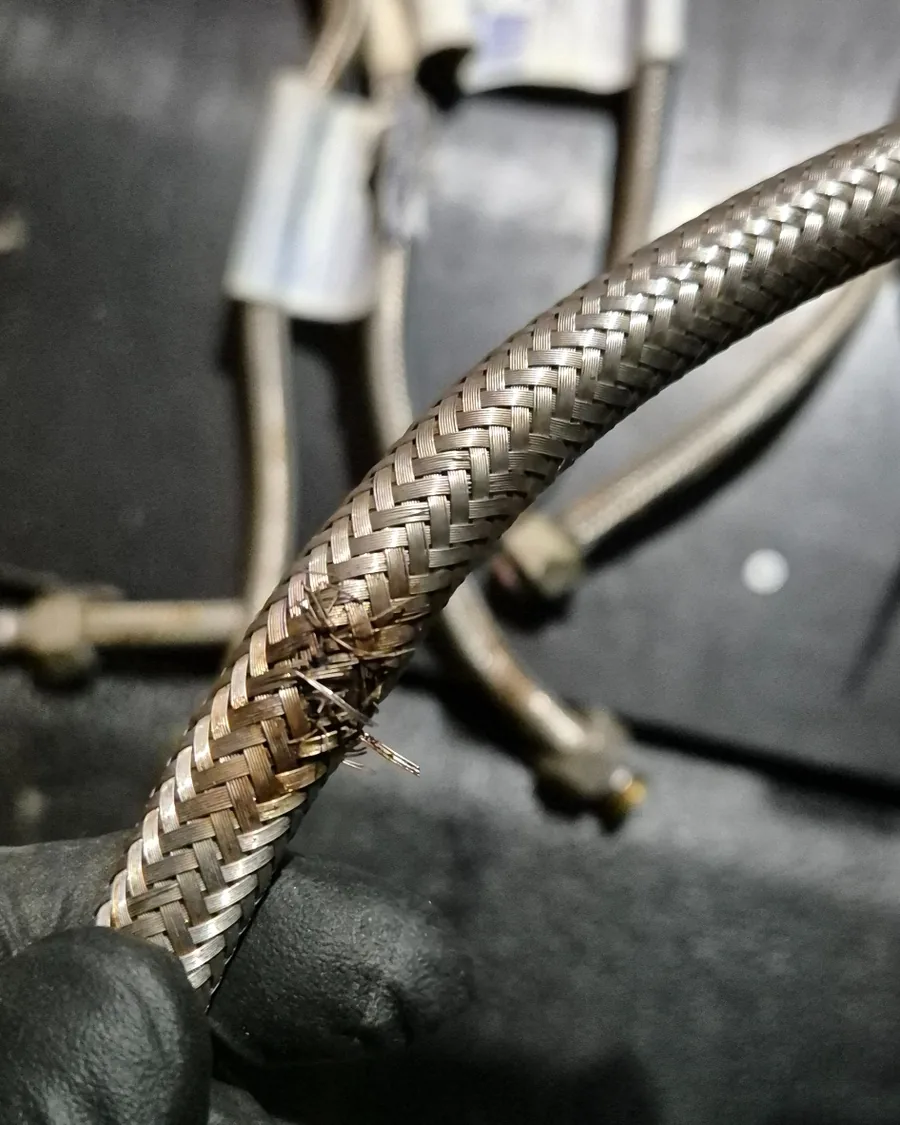
Look for rust spots, tea-staining, frayed stainless braiding, bulging, kinks, moisture around the fitting, a hissing sound, misting water, or a hose that looks stretched or twisted. If you notice any of these signs, replacement is recommended.
Who replaces flexi hoses in Melbourne?
A licensed plumber should replace flexible hoses in Melbourne, especially where the hose connects to taps, toilets, appliances or mixer outlets. Your Choice Plumbers can inspect and replace flexi hoses as part of a broader flood prevention check.
Is a leaking flexible hose urgent?
Yes. A leaking flexible hose can quickly become a burst flexi hose, especially if the hose is corroded, under high pressure, or already misting from a pinhole leak. It should be checked as soon as possible.
Can all the flexible hoses in my home be replaced at once?
Yes. Many homeowners choose full-house flexi hose replacement when multiple hoses are old, rusty or tea-stained. This is common in older homes, rental properties, units, townhouses and homes where hoses have not been inspected for many years.
Can high water pressure make flexi hoses burst?
Yes. Excessive water pressure can place extra stress on flexible hoses, taps, valves, toilet cisterns and appliance connections. If pressure is too high, a pressure limiting valve may be recommended.
Can flexi hose replacement be done the same day?
In many cases, yes. If the hose, valve, tap or toilet connection is accessible and suitable parts are available, high-risk flexible hoses can often be replaced during the same visit. If broader pressure or compliance issues are found, we explain the options clearly before any extra work proceeds.
5-Star Trust: What Our Local Customers Say About Sam, Natasha & The Team
Why Flexible Hoses Are a Hidden Flood Risk
Flexible hoses are used because they make tap, toilet and appliance connections easier to install. The problem is that many of these hoses are hidden inside cupboards, behind toilets, under laundry tubs or behind washing machines, where homeowners rarely inspect them.
When a flexi hose fails, it can release water continuously until the water is turned off. If nobody is home, a burst flexi hose can flood cabinetry, flooring, walls and nearby rooms. This is why flexible hose replacement is not just a small maintenance item — it is a serious flood prevention measure.
In many of our Melbourne jobs, the hose failure is not random. It usually connects back to one or more warning signs: corrosion, age, poor installation, excessive water pressure, loose taps, moisture around the tap base, missing isolation valves, seized mini stops or old appliance hoses.
Common Places We Find High-Risk Flexi Hoses
High-risk flexible hoses are commonly found:
- under kitchen sinks
- under bathroom vanities
- below laundry troughs
- behind washing machines
- connected to toilet cisterns
- connected to dishwashers
- connected to fridge water points
- below old hob-mounted tap sets
- inside older cupboards with poor ventilation
- inside vanities where cleaning products or stored items rub against the hose
- in rental properties where fixtures have been repaired in stages over many years
A burst flexi hose under a kitchen sink Melbourne homeowners overlook can quickly cause water damage to cabinetry and flooring. The same applies to a leaking flexible hose under a bathroom vanity, especially when moisture has already started corroding the stainless-steel braid.
In double-storey homes, apartments and townhouses, a hose failure can become even more damaging because water may travel through cabinetry, walls, flooring and ceilings before the source is found. In single-storey homes on stumps, water may also run below flooring or into subfloor areas before the homeowner realises how far it has spread.
Why Tea-Staining and Rust Matter
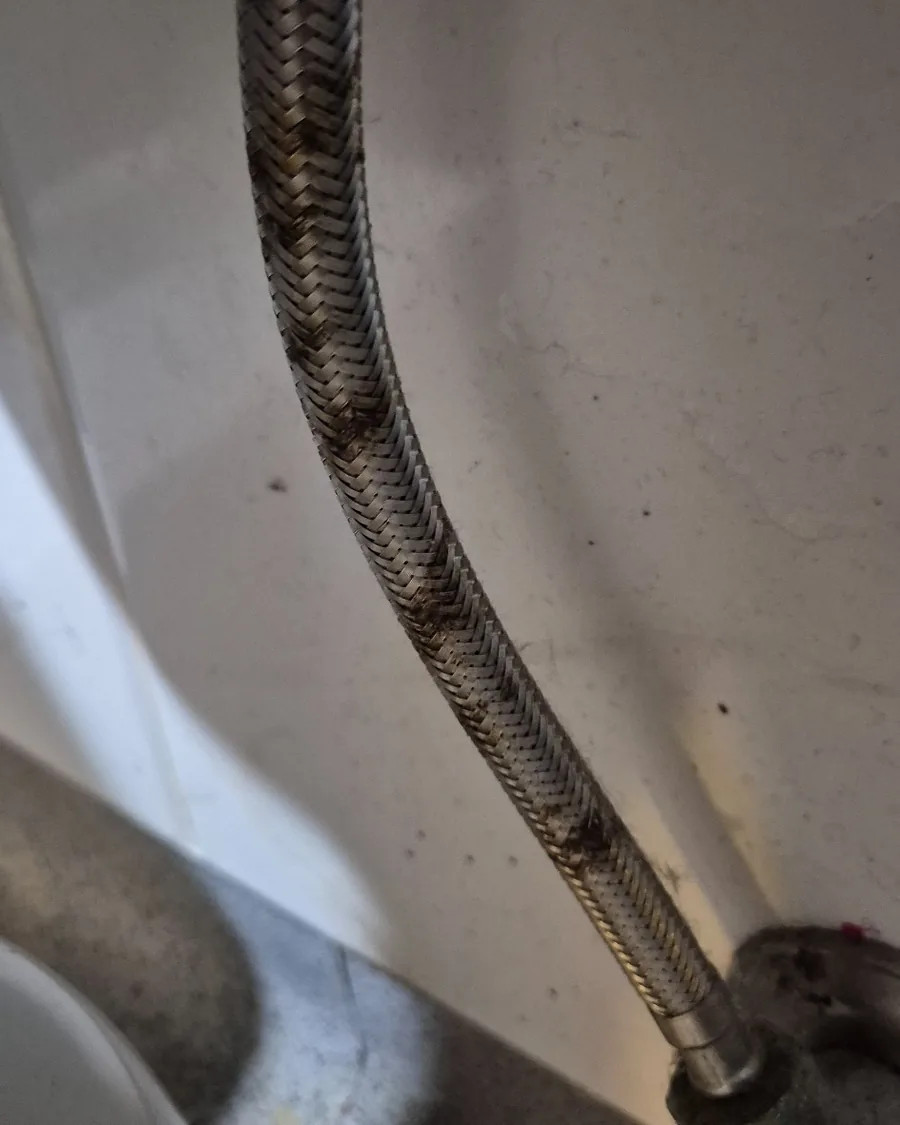
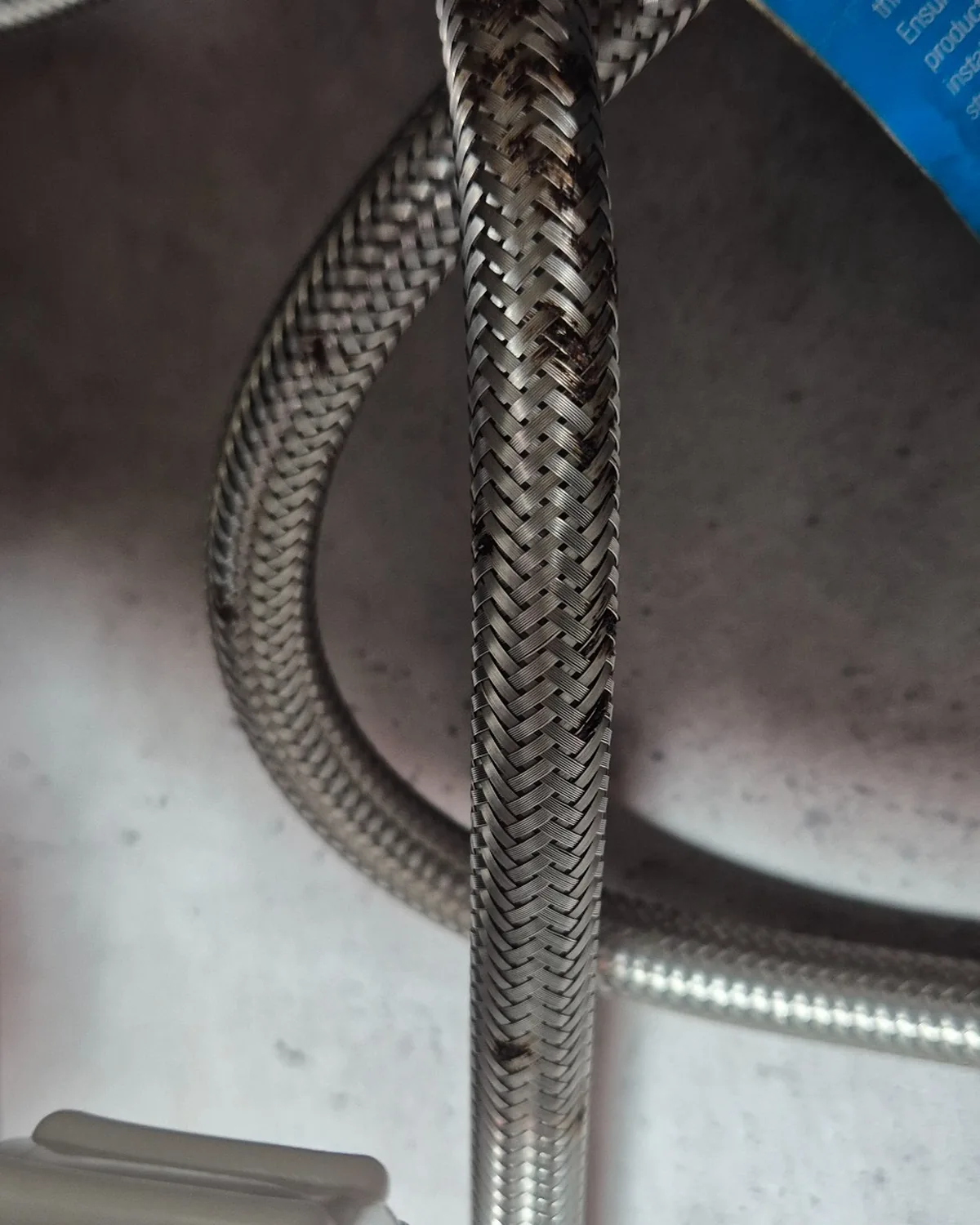
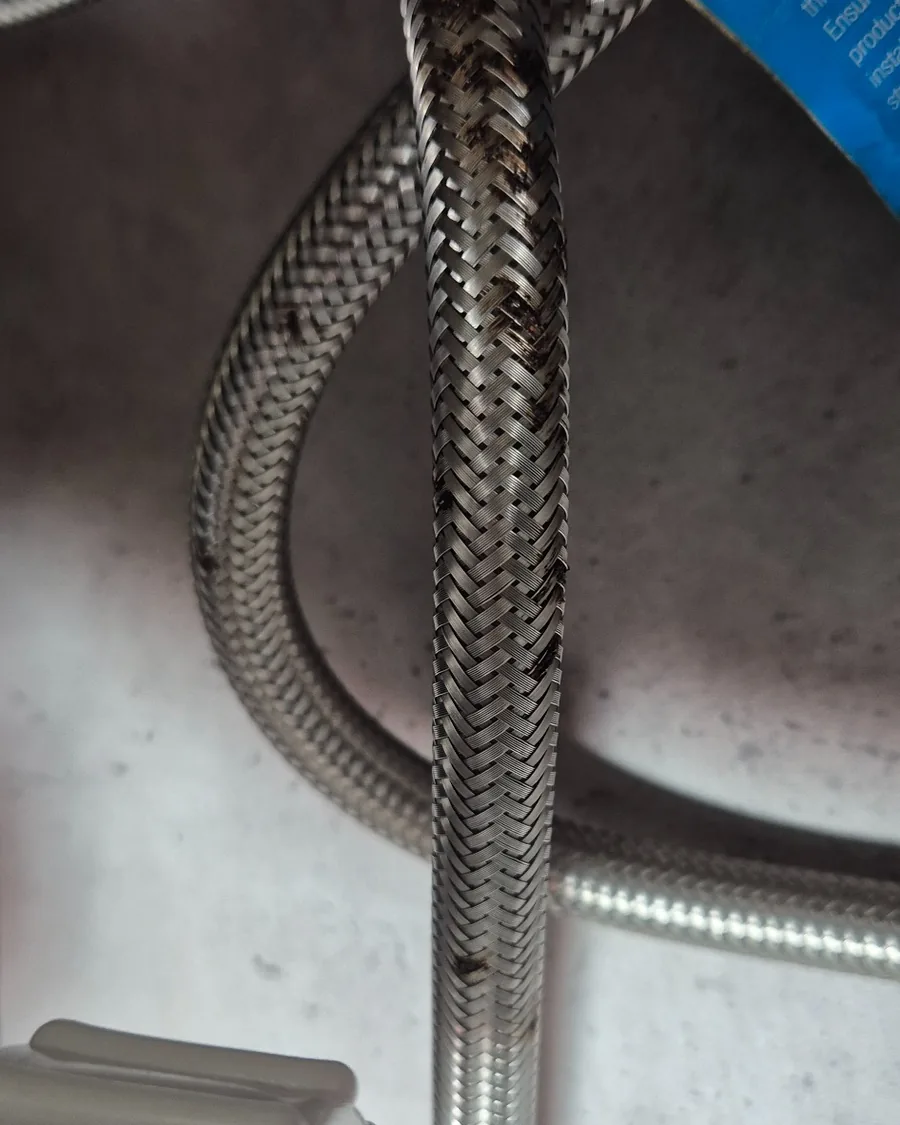
Tea-staining is one of the most important early warning signs on braided flexible hoses. It often appears as brown, orange or rusty staining on the outer stainless-steel braid.
This staining usually means the hose has been exposed to moisture and corrosion has started. Once the outer braid weakens, the internal rubber hose has less protection against pressure. At that point, the hose may start as a small misting leak, then suddenly fail.
This is exactly why rusty flexi hoses under sink areas should not be ignored, especially if the hoses are more than 5–10 years old or you do not know when they were last replaced.
Why Small Flexi Hose Leaks Are Often Missed
Not every flexi hose failure starts as a major burst. Some begin as a pinhole leak that sprays a fine mist inside the cupboard. Homeowners may only notice a damp smell, swollen cabinet board, small puddle, mould staining, or water appearing under the sink with no obvious dripping point.
This is why a leaking flexible hose under bathroom vanity cabinets or kitchen sinks needs careful inspection. In our Glen Waverley case study, the hose was not visibly pouring water — it was misting from a tiny pinhole and wetting the cabinetry slowly. That type of early failure is easy to miss but can still lead to serious damage if ignored.
Why Flexi Hose Risk Is Higher in Older or Renovated Homes
Older Melbourne homes often have a mix of original plumbing, newer taps, renovated bathrooms, upgraded laundries and replacement toilets. This means the flexi hoses throughout the home may not all be the same age or installed to the same standard.
We often see older hob-mounted tap sets, classic S-bend toilets, renovated vanities and washing machine connections where the hoses look minor from the outside but have never been checked as a complete system. In these situations, one burst hose may be the first visible sign that other hoses around the home are also nearing failure.
What Our Flexi Hose Replacement Service Includes
Our flexible hose replacement service is designed to identify both the visible hose issue and the hidden conditions that may have caused it. We do not want to replace a hose and leave the home exposed to the same failure risk again.
Replacement of High-Risk Flexible Hoses
Where replacement is needed, we remove the affected hose and install a suitable new hose for the fixture or appliance. This may include flexible tap hose replacement, toilet flexi hose replacement, kitchen sink flexi hose replacement, laundry hose replacement, dishwasher connection hose replacement or washing machine hose replacement.
Where we find ageing mixer taps, heavily corroded fittings or rusted hose threads, replacement of the tap or connected fixture may be the better long-term option. This often applies to old leaking tap repairs where the tap, mixer and hoses are all showing age-related failure.
For example, if the flexible hoses are built into an old mixer and the tap body is loose, corroded or past its reliable service life, replacing only one hose may not give the homeowner the best long-term result. In those cases, a new mixer with new hose connections may be the safer and cleaner solution.
Flexible Hose Inspection
We inspect accessible flexible hoses for:
- rust or tea-staining
- corrosion around hose ends
- bulging
- kinking
- twisting
- frayed outer braiding
- moisture around fittings
- leaks at mini stops or isolation valves
- poor support or tight bends
- old appliance hoses
- incorrect hose use in unsuitable locations
- rubbing against cupboard contents or sharp edges
- hoses installed under tension
- loose mixer taps allowing water to track below
This helps us determine whether the hose can remain in service or should be replaced before it fails. It also helps separate a simple hose replacement from a broader issue involving the tap, valve, pressure, appliance connection or fixture itself.
Isolation Valve and Mini Stop Checks
A flexible hose should be able to be isolated quickly if it leaks or bursts. We check whether the fixture has working stop taps or isolation valves in place.
If no isolation valve is installed, or the existing mini stop is seized, leaking or badly positioned, we may recommend replacing it during the hose replacement. This gives the homeowner a much safer way to shut off water at the fixture if a problem occurs later.
This is especially important under vanities, kitchen sinks, toilets and laundries. When a hose fails and there is no working isolation valve, the homeowner may have to run to the front water meter to shut off the whole property. In a burst hose situation, every minute matters.
Water Pressure Check
High water pressure is one of the biggest contributors to premature plumbing failure. During suitable plumbing visits, we check the incoming pressure to see whether it is within the safe and compliant range. If pressure is excessive, replacing the flexible hoses alone may not be enough. In these cases, we may recommend a pressure limiting valve installation to reduce stress on hoses, taps, toilets, valves, appliances and pipework throughout the home. This is not just theory. In our real flexi hose and prevention case studies, we found pressure readings of 690 kPa, 740 kPa and 920 kPa. Those readings place unnecessary strain on the plumbing system and can contribute to repeat failures if the pressure problem is not corrected.Flood Prevention Reporting
Where we carry out our complimentary Property Protection Audit, we document key risks such as ageing flexible hoses, excessive pressure, hot water temperature concerns and other visible plumbing issues that may affect the home. This gives the homeowner clear evidence of what was found, what was replaced, and what should be monitored or upgraded. It is especially useful for homeowners who have not had a licensed plumber inspect their home for many years, or for people buying, selling, renovating or maintaining an older property.When Flexible Hose Replacement Is Enough
Flexible hose replacement may be enough when the hose itself is the only issue, the connected tap or valve is sound, the pressure is acceptable, and there are no signs of wider corrosion or fixture failure.
In those cases, replacing the affected hose and confirming the installation is safe can be a practical, efficient repair.
When Broader Plumbing Work May Be Needed
Flexible hose replacement may not be enough if we also find high water pressure, corroded mini stops, a loose tap, rusted mixer fixings, leaking valves, old washing machine hoses, unsafe hot water delivery temperatures or multiple ageing hoses throughout the home.
In those situations, we explain the findings clearly and provide practical options. The goal is not to make the job bigger unnecessarily — it is to prevent the homeowner from fixing one visible problem while leaving the true cause untouched.
When You Should Replace Flexible Hoses
Flexible hoses should not be treated as permanent plumbing parts. They deteriorate over time, especially where they are exposed to moisture, movement, heat, high pressure or poor installation.
You should consider flexi hose replacement if:
- the hose is rusty or tea-stained
- there is moisture under the sink or vanity
- the hose is more than 5–10 years old
- the tap or mixer is loose
- the hose is kinked, stretched or twisted
- the toilet cistern flexi hose is leaking
- the laundry tap flexi hose is leaking at the connection
- the washing machine hoses are old or swollen
- you have recently had a burst hose
- your water pressure is above the safe operating range
- you are moving into an older home and do not know the plumbing history
- a cupboard smells damp or musty
- water appears under a sink but the waste pipe looks dry
- you hear a hissing sound near a vanity, sink or toilet
- you are preparing a home for sale and want hidden flood risks checked
When One Hose Replacement May Not Be Enough
Sometimes the obvious failed hose is only one part of the problem. If several hoses are the same age, installed at the same time, or showing similar corrosion, replacing one hose may leave other high-risk hoses behind.
This is why many homeowners choose full-house flexi hose replacement after we identify multiple rusty or tea-stained hoses during an audit. This is especially important in older homes that have not had a licensed plumber inspect the plumbing system for many years.
When Full-House Flexi Hose Replacement Makes Sense
Full-house replacement may be the better option when several hoses are aged, stained, corroded or unknown in age. This often includes hoses serving both bathrooms, the kitchen, laundry, toilets and appliances.
We commonly see this in older Melbourne homes where the same fixtures have been in place for 10 years or more. In the Glen Iris case study, the owners had not had a licensed plumber assess the home in around 10 years, and the audit found multiple rusty and tea-stained hoses throughout the property.
When a Burst Flexi Hose Becomes an Emergency
A burst flexi hose becomes urgent when water is actively escaping, especially if there is no working isolation valve at the fixture. If the water cannot be isolated quickly, it can spread through cabinetry, flooring and adjoining rooms. If this happens, turn off the water at the meter, move valuables away from the affected area if safe, and arrange urgent plumbing help. Where flooding has already occurred, the hose repair may also need to be supported by water leak detection or moisture investigation if the damage source is not obvious.Why Flexible Hoses Fail
Loose Taps Letting Water Track Below
One of the most common causes of rusty flexi hoses is a loose hob-mounted tap or mixer. When the tap moves at the bench or basin, water can track through the tap hole and drip onto the hoses below.
Over time, that moisture corrodes the braid and hose ends. This is a common reason for burst flexi hoses under vanities and kitchen sinks.
In the Brighton case study, a loose basin mixer had been moving for months. Water tracked below the tap base, repeatedly wetting the flexi hose beneath the vanity until heavy rust formed and the hose failed.
Moisture Inside Cupboards
Bathroom vanities, kitchen cabinets and laundry cupboards can hold moisture for long periods. Even small leaks from wastes, traps, taps or appliance connections can accelerate hose corrosion.
If you are noticing water under a kitchen sink but no obvious leak, a flexi hose pinhole leak or mist spray may be the cause. In these situations, a proper water leak detection process helps confirm the real source before damage spreads.
Moisture-related hose failure is common because homeowners often do not inspect the back corners of cupboards, the underside of mixer taps, or the hose connection points unless there is already visible water damage.
Excessive Water Pressure
High water pressure places extra stress on the inner rubber hose and connection points. It can contribute to early hose failure, leaking taps, noisy pipework, water hammer, toilet inlet valve issues and appliance connection failures.
If pressure is excessive, a new hose may still be under unnecessary stress unless the pressure is corrected.
This is why we treat pressure testing as an important part of prevention. If a home is operating at 690 kPa, 740 kPa or 920 kPa, the flexible hoses are not the only plumbing components under strain — the taps, toilets, valves, appliances and pipework are also being affected.
Kinking, Twisting and Poor Installation
Flexible hoses should not be forced into tight spaces, twisted sharply or installed under tension. Kinking can weaken the hose and place strain on the connection points.
Poor installation is especially risky under crowded vanities and kitchen sinks where hoses, wastes, dishwasher connections and storage items are all competing for space.
A hose should sit naturally, without sharp bends, twisting or rubbing. If the hose is forced into position, it may fail earlier than expected.
Age and Deterioration
Over time, the internal rubber tube and outer stainless braid deteriorate. If you do not know how old your flexible hoses are, or they were installed before you moved in, it is worth having them checked.
Old flexible hoses in house plumbing systems are one of the easiest flood risks to overlook because they often look fine until corrosion or pressure exposes the weakness.
Appliance Hose Wear
Washing machine and dishwasher hoses can also become flood risks, especially where they are old, swollen, cracked, tightly bent or hidden behind appliances. Because these hoses are often out of sight, they may not be checked until water appears on the floor.
During a broader flexi hose safety check, accessible appliance hoses can be inspected and replaced where needed. This is particularly valuable in laundries, apartments, townhouses and older units where appliance connections are tightly positioned.
Missing or Faulty Isolation Valves
A missing, seized or leaking isolation valve does not cause the hose to fail by itself, but it makes the consequences much worse. If a hose bursts and the homeowner cannot shut the water off locally, the amount of damage can increase quickly.
This is why we check the hose and the connected valve together. A safe installation should allow the fixture to be isolated quickly if something goes wrong.
How We Handle Flexible Hose Replacement
Step 1 — Inspect the Hose and Surrounding Fixture
We first inspect the affected hose, nearby fittings, tap or toilet connection, surrounding cabinetry, stop taps and visible signs of moisture. If there is an active leak, we isolate the water and make the area safe.
We also look for signs that the issue may not be coming from the hose at all, such as a leaking waste pipe, dishwasher connection, loose mixer base, failed mini stop or water tracking from above the benchtop.
Step 2 — Identify Why the Hose Failed
We check whether the failure appears to be caused by age, rust, poor installation, movement, excessive pressure, a loose tap, a leaking fitting or another underlying issue.
This matters because a burst flexi hose Melbourne homeowners experience is often a symptom of a bigger plumbing condition, not just a one-off hose failure.
For example, if a hose has failed because water pressure is too high, replacing the hose without checking pressure may leave the new hose exposed to the same stress.
Step 3 — Replace the Hose or Connected Fixture
If the hose can be replaced safely on its own, we replace it with a suitable new hose. If the tap, mixer, valve or connection is badly corroded, we may recommend replacing the connected fixture as well.
This is common when old mixers have built-in flexible hoses that are no longer worth repairing separately.
Where a kitchen mixer or basin mixer is loose, rusted or badly worn, replacing the full tap assembly can provide a better long-term result than trying to save an ageing fixture.
Step 4 — Check Isolation and Water Pressure
We check whether isolation valves are present and working. Where appropriate, we also test the water pressure. If pressure is too high, we explain whether a pressure regulating valve is recommended to protect the wider system. This step is especially important because high pressure can affect every fixture in the house, not just the hose that has already failed.Step 5 — Report Any Other Hidden Risks
Where we carry out the complimentary Property Protection Audit, we document other visible risks around the home, including flexi hoses, pressure, hot water safety and plumbing components that may require attention.
This gives you a clear, practical picture of what is urgent, what is preventative, and what can be planned.
Step 6 — Explain the Options Clearly
Once we know what has caused the issue, we explain the options in plain language. This may include replacing only the failed hose, replacing multiple high-risk hoses, upgrading seized mini stops, replacing an old mixer, or correcting high pressure.
The aim is to help homeowners make an informed decision without pressure or confusion.
Flexible Hose Replacement Melbourne – Real Case Studies & Results from Sam, Natasha & The Team
Burst Flexi Hose Replaced After Vanity Leak in Brighton VIC 3186
At a Brighton townhouse, the owners called after what first looked like a burst pipe emergency, but the real issue was a burst flexible hose under the ensuite vanity. A loose basin mixer had allowed water to track into the vanity cupboard over time, rusting the connected hose until it failed. During the same visit, our Complimentary Property Protection Audit also found high water pressure, excessive hot water temperature, rusty kitchen sink extension hoses and missing isolation points under the vanity. The burst hose issue, tap replacements and compliance upgrades were completed the same day, with a Certificate of Compliance issued. Read more: Burst flexi hose in Brighton uncovered more hidden plumbing risksHidden Pinhole Flexi Hose Leak Found in Glen Waverley VIC 3150
At a Glen Waverley home, the owners noticed moisture under the kitchen sink but could not find an obvious leak. After checking the sink waste, dishwasher connection, stop taps and mixer base, we dried the cupboard and returned to inspect it again. Fresh moisture led us to a tiny pinhole leak on the hot water flexi hose, which was producing a fine mist-like spray instead of a visible drip. The ageing kitchen mixer was replaced, the early hose failure was removed, and high water pressure of 740 kPa was corrected with a Zurn pressure regulating valve to help protect the home from future hose and fixture failures. Read More: Hidden under-sink flexi hose leak found in Glen WaverleyFull-House Flexi Hose Replacement in Glen Iris VIC 3146
At a Glen Iris home, a burst copper pipe near the front water meter led to a wider plumbing safety check. After repairing the damaged copper service with new copper pipe and B-press fittings, our Complimentary Property Protection Audit found multiple rusty and tea-stained flexi hoses throughout the bathrooms, laundry and kitchen, along with extremely high water pressure of 920 kPa. The home was protected with full flexi hose replacement, a Zurn 20mm pressure regulating valve to reduce pressure to a safer level, and a Certificate of Compliance for the completed plumbing work. Read more: Burst pipe repair in Glen Iris uncovered hidden flexi hose risksFlexi Hose Safety Check Found Rusty Hoses in Malvern VIC 3144
At a Malvern home, a kitchen mixer replacement turned into a wider flood prevention check when the owners asked for our Complimentary Property Protection Audit. The audit found rusty flexible hoses under the laundry tub, a rusty toilet flexi hose, and aged washing machine hoses that were well beyond their recommended replacement window. The home’s water pressure was confirmed as safe at 500 kPa or less, and hot water delivery was compliant at 48°C, but the risky hoses still needed attention. We replaced the affected laundry, toilet and washing machine hoses before they could turn into a sudden internal flooding problem. Read more: Flexi hose safety check in Malvern found hidden flood risksCompliance, Pressure Control and Flood Prevention
Flexible hose replacement may look simple, but the surrounding installation matters. A safe result depends on the right hose, correct connection, accessible isolation, appropriate pressure and proper workmanship.
As licensed plumbers, we assess the full setup rather than treating the hose as an isolated part. This helps protect the home from repeat failure and gives the homeowner clearer documentation around the work performed.
Why Water Pressure Is Checked
Water pressure above the recommended maximum can place unnecessary stress on flexible hoses and connected fixtures. In several of our case studies, the hose issue was discovered alongside pressure readings well above 500 kPa.
Where excessive pressure is found, installing a pressure limiting valve can help protect flexible hoses, taps, toilets, appliances and pipework throughout the home.
Pressure control is especially important in homes where several issues are happening at once, such as leaking taps, noisy pipes, toilet inlet valve failures, ageing flexi hoses or repeated fixture leaks. If the pressure remains too high, new hoses and fittings may still be placed under unnecessary strain.
Certificate of Compliance Where Required
Where the plumbing work requires certification, we issue a Certificate of Compliance in line with the relevant requirements. This gives homeowners better records for warranty, insurance and future property maintenance.
Certification and documentation are particularly important when the work involves pressure control, fixture upgrades, compliance-related repairs or broader preventative plumbing improvements.
Insurance and Maintenance Considerations
Many homeowners only discover the seriousness of flexi hose failures after a leak or flood has already happened. Regular checks and proactive replacement help show that reasonable maintenance has been considered.
A burst hose can lead to damaged cupboards, flooring, skirting boards, plaster, ceilings and nearby rooms. In apartments, townhouses and multi-level homes, water can also affect lower levels or neighbouring areas. Proactive replacement is often far simpler than dealing with the damage after a failure.
Our goal is simple: if we see a compliance issue and don’t educate the client, we are failing our duty.
Why Proper Diagnosis Protects the Whole Home
A flexi hose failure should not be treated as an isolated part replacement until the surrounding conditions are checked. The hose may have failed because of moisture, pressure, age, a loose tap, poor installation or a faulty valve.
By identifying the cause, we can recommend the right repair — not just the fastest repair. This is the difference between simply replacing a hose and helping protect the home from the next avoidable plumbing failure.
Complimentary Property Protection Audit
Every completed plumbing job with Your Choice Plumbers includes our Complimentary Property Protection Audit to help protect your home from preventable water damage and compliance risks. As part of this process, we check for key issues that many homeowners never realise are putting their property at risk, including:
- excessive water pressure above 500 kPa, which can stress taps, mixers, valves, appliances, and pipework
- flexible braided hoses that may be rusted, swollen, poorly supported, or approaching failure
- hot water temperature risks, including scalding concerns where household delivery temperatures are not properly controlled
- visible signs of ageing plumbing components that may fail unexpectedly

This is especially important on everyday home plumbing visits, because repeated fixture failures, hot water issues, leaks, and valve problems can sometimes point to broader pressure or plumbing system stress.
Related Plumbing Services That Help Protect Your Home
Not Sure If Your Flexi Hoses Are Still Safe to Leave in Service?
If you can see rust, tea-staining, moisture, kinks or old braided hoses under your sink, vanity, toilet or laundry, it is worth getting them checked before they fail.
A quick inspection can help confirm whether the hose is safe, whether replacement is needed, and whether high pressure or another hidden issue is increasing the risk.
Left too long, a failing flexi hose can turn a hidden cupboard leak into major internal flooding, damaged cabinetry, swollen flooring, ceiling damage below, and much higher repair costs than early replacement would have involved.
Service Areas Across Melbourne
 Plumber Glen Waverley

Flexible Hose Replacement FAQs
How often should flexible hoses be replaced?
Flexible hoses are not designed to last forever. Many should be replaced every 5–10 years, or sooner if there is rust, tea-staining, kinking, swelling, leaking or visible wear.
What are the warning signs of a dangerous flexi hose?
Warning signs include rust spots, brown tea-staining, frayed braiding, bulging, moisture around the hose end, dripping, misting, kinks, twisting or corrosion around the connected tap or valve.
What if I don’t know how old my flexi hoses are?
If you do not know how old the hoses are, especially in an older home, unit, townhouse or rental property, it is worth having them inspected. Unknown-age hoses are one of the most common hidden flood risks because they often look acceptable until corrosion, pressure or movement exposes the weakness.
Are all flexible hoses the same quality?
No. Flexible hoses vary in quality, condition, age, installation method and suitability for the fixture they are connected to. That is why proper inspection matters, especially where hoses are older, corroded, poorly supported or installed under tension.
Can a small flexi hose leak turn into a burst hose?
Yes. A small pinhole leak or mist spray can be an early warning sign that the hose is deteriorating. If left unresolved, the hose can fail suddenly and release a large amount of water.
Should I replace one hose or all flexible hoses in the house?
If only one hose is damaged and the others are newer and in good condition, one replacement may be enough. If multiple hoses are old, rusty or tea-stained, full-house replacement is often safer.
Do high water pressure and flexi hose failures connect?
Yes. Excessive pressure can increase stress on flexible hoses, taps, toilet valves and appliance connections. If pressure is too high, hose replacement should be combined with pressure control advice.
Are washing machine hoses included in flexi hose checks?
Yes, accessible washing machine hoses can be checked as part of a broader flood prevention inspection. Old, swollen or cracked washing machine hoses should be replaced before they leak or burst.
Can a loose tap cause a flexi hose to rust?
Yes. If a loose tap allows water to pass through the tap hole, moisture can drip onto the flexible hoses underneath. Over time, this can cause rust, tea-staining and eventual hose failure.
Will insurance cover damage from a burst flexi hose?
Insurance depends on the policy and circumstances. Regular maintenance, documented inspections and proactive replacement can help show that reasonable steps were taken to reduce preventable water damage risks.
Can I replace a flexible hose myself?
Flexible hoses should be replaced by a licensed plumber where they connect to plumbing fixtures, taps, toilets or appliances. Correct installation, isolation, pressure and compliance all matter.
What causes flexi hoses to fail under kitchen sinks?
Common causes include age, corrosion, moisture from a loose mixer tap, kinking, poor installation, high water pressure, and small leaks inside the cupboard that go unnoticed until the hose deteriorates.
Why is there water under my sink but no obvious leak?
A flexi hose may be misting from a tiny pinhole leak, or water may be tracking from the mixer base, waste pipe, dishwasher connection or isolation valve. A plumber can inspect and confirm the real source.
Can flexi hose replacement be done during a normal plumbing visit?
Yes, in many cases. If high-risk hoses are accessible and suitable replacement parts are available, they can often be replaced during the same visit, especially when identified during a Property Protection Audit.
How can Your Choice Plumbers help prevent flexi hose flooding?
We inspect accessible hoses, replace high-risk flexible hoses, check pressure, assess isolation valves and document hidden risks through our prevention-focused plumbing process.
Protect Your Home Before a Flexi Hose Fails
A rusty or ageing flexible hose may look like a small plumbing issue, but if it bursts while nobody is home, the damage can be serious. If you have old hoses under sinks, toilets, vanities, laundries or appliances, now is the time to have them checked.
Your Choice Plumbers can inspect, replace and document high-risk flexible hoses as part of a practical prevention-focused plumbing service. We also check the surrounding conditions that often lead to hose failure, including high water pressure, loose taps, seized isolation valves and other visible flood risks.
The safest time to replace a dangerous flexi hose is before it becomes a burst hose emergency.