

Melbourne’s Trusted
Home Plumbing Experts
Blocked Drains Melbourne
We don’t just clear blocked drains — we find what’s causing the blockage and fix it properly so the problem doesn’t keep coming back.


Sam & Natasha
Founders, Your Choice Plumbers
 VBA Licensed Insured
 Master Plumbers Member
 Fixed Upfront Pricing
 Local Family Owned
Sam & Natasha
Founders, Your Choice Plumbers
What Type of Blocked Drain Problem Do You Have?
Select the problem that best matches what you’re seeing — we’ll guide you to the right fix.


Blocked Drains Repair Work in Melbourne
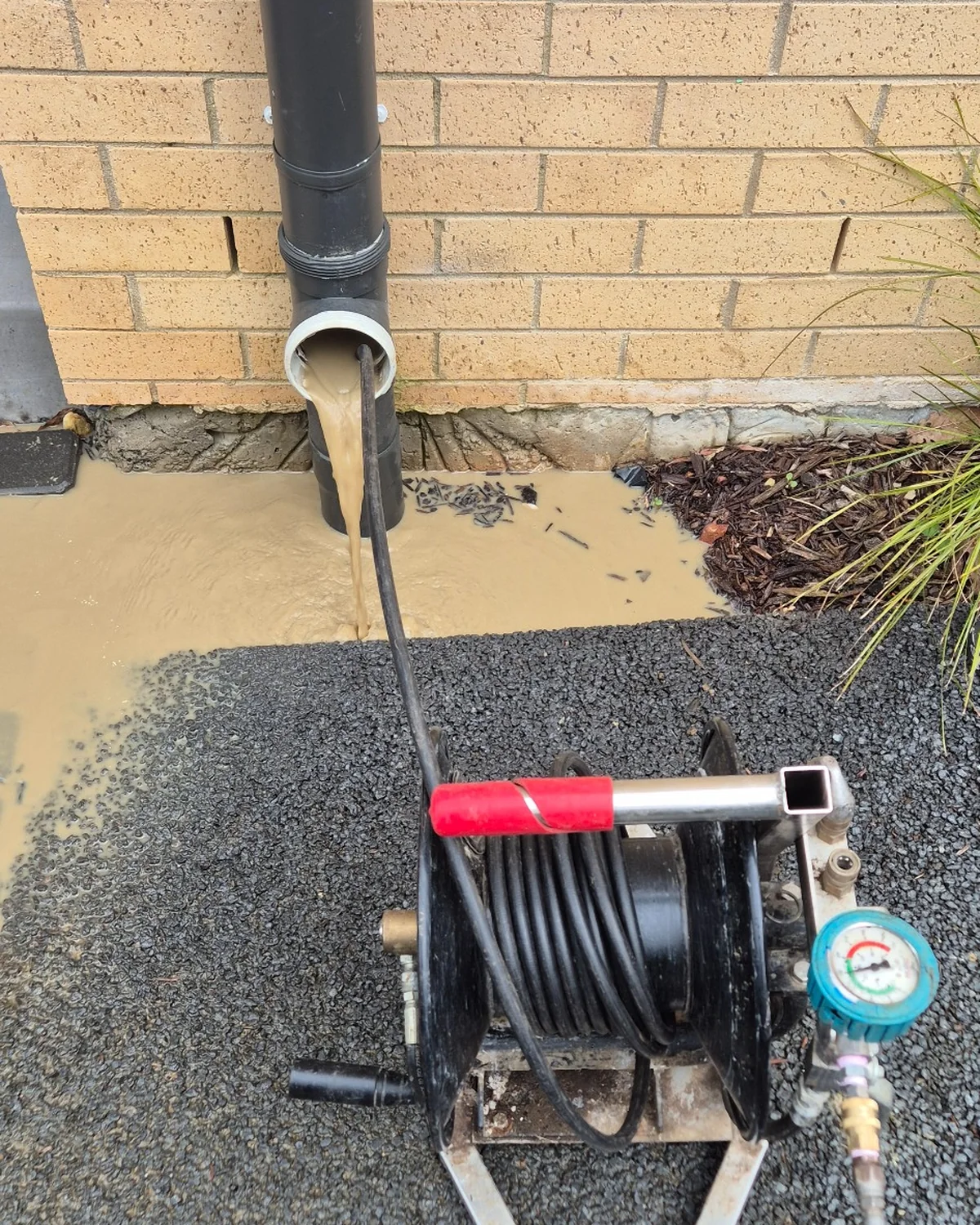
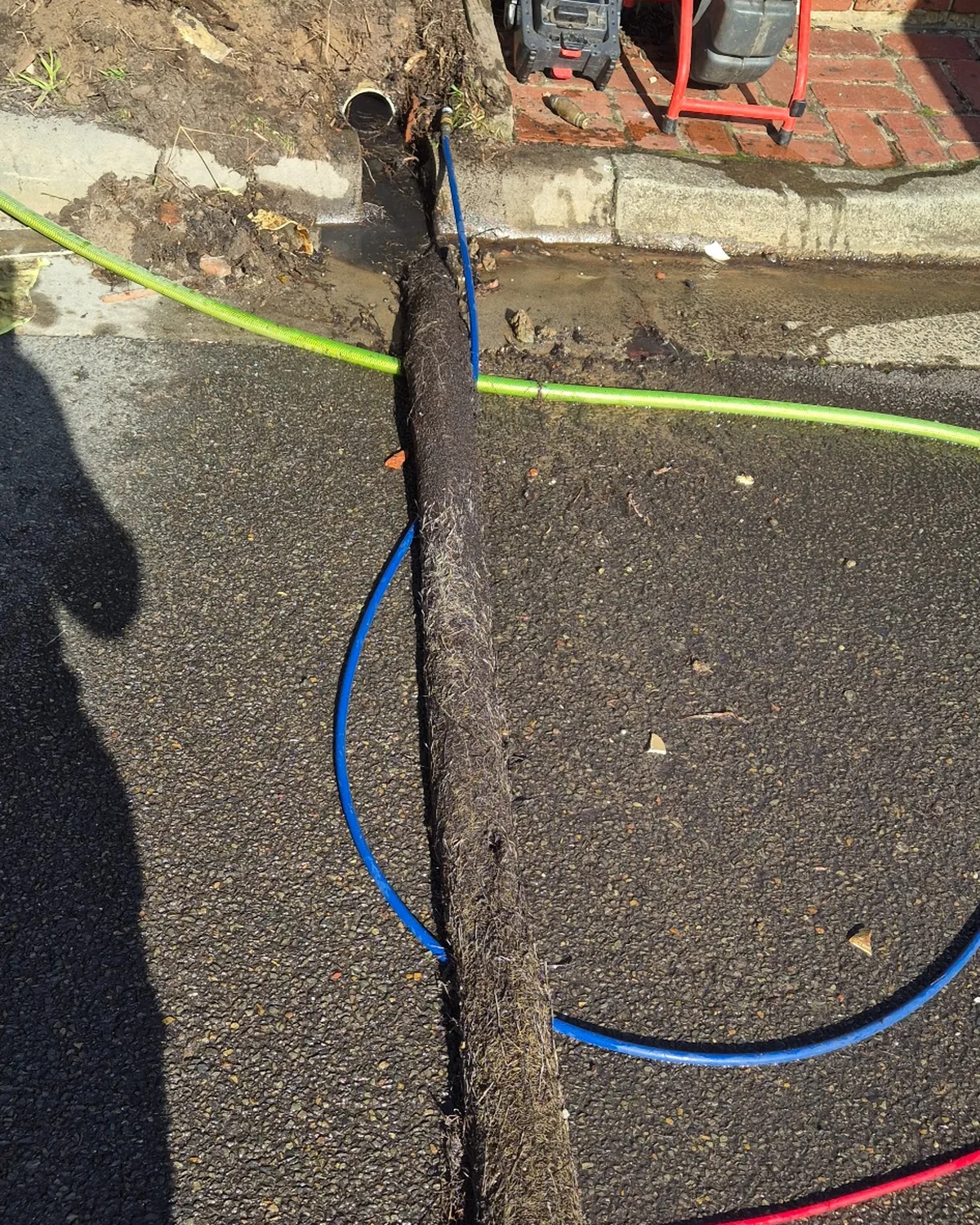
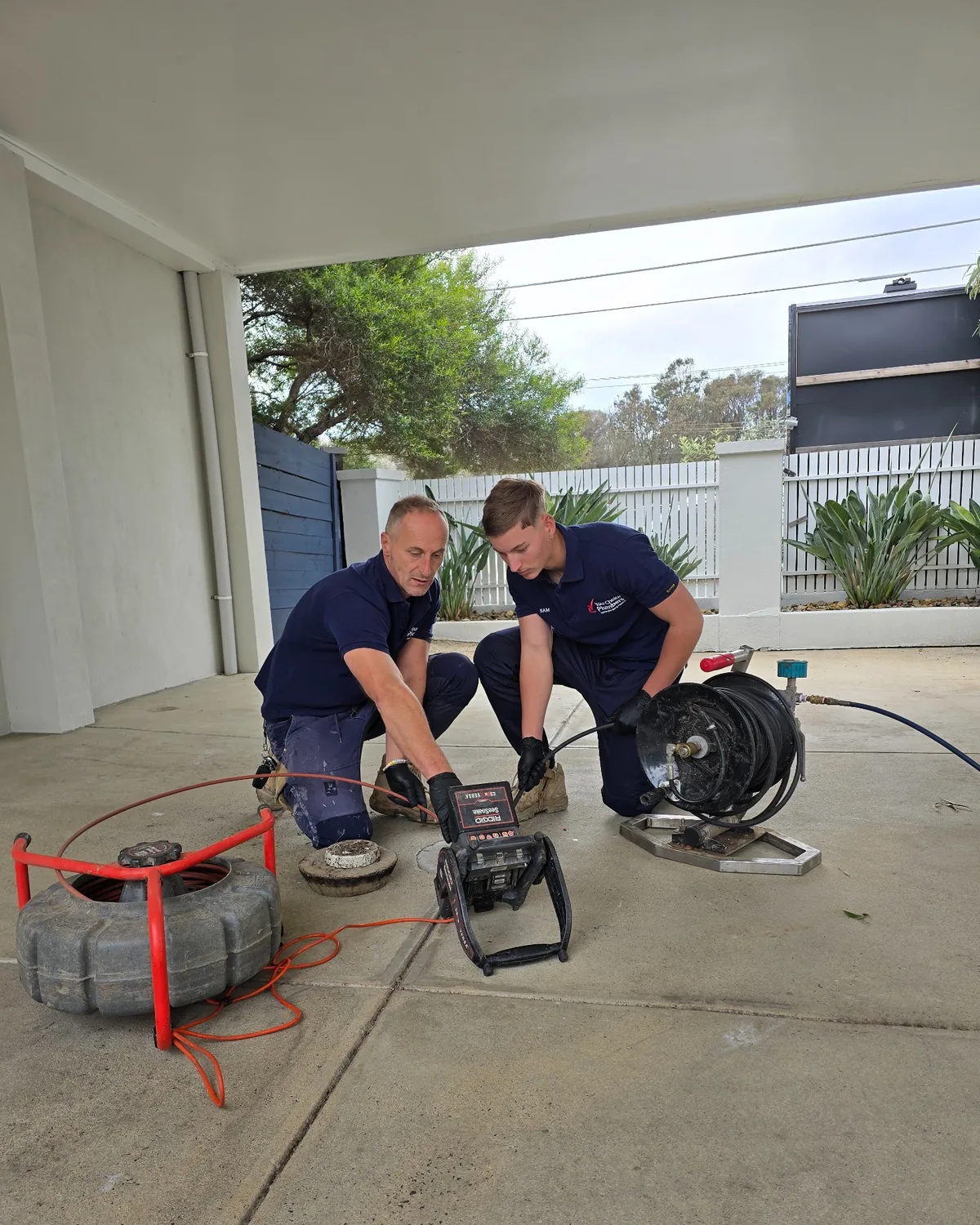
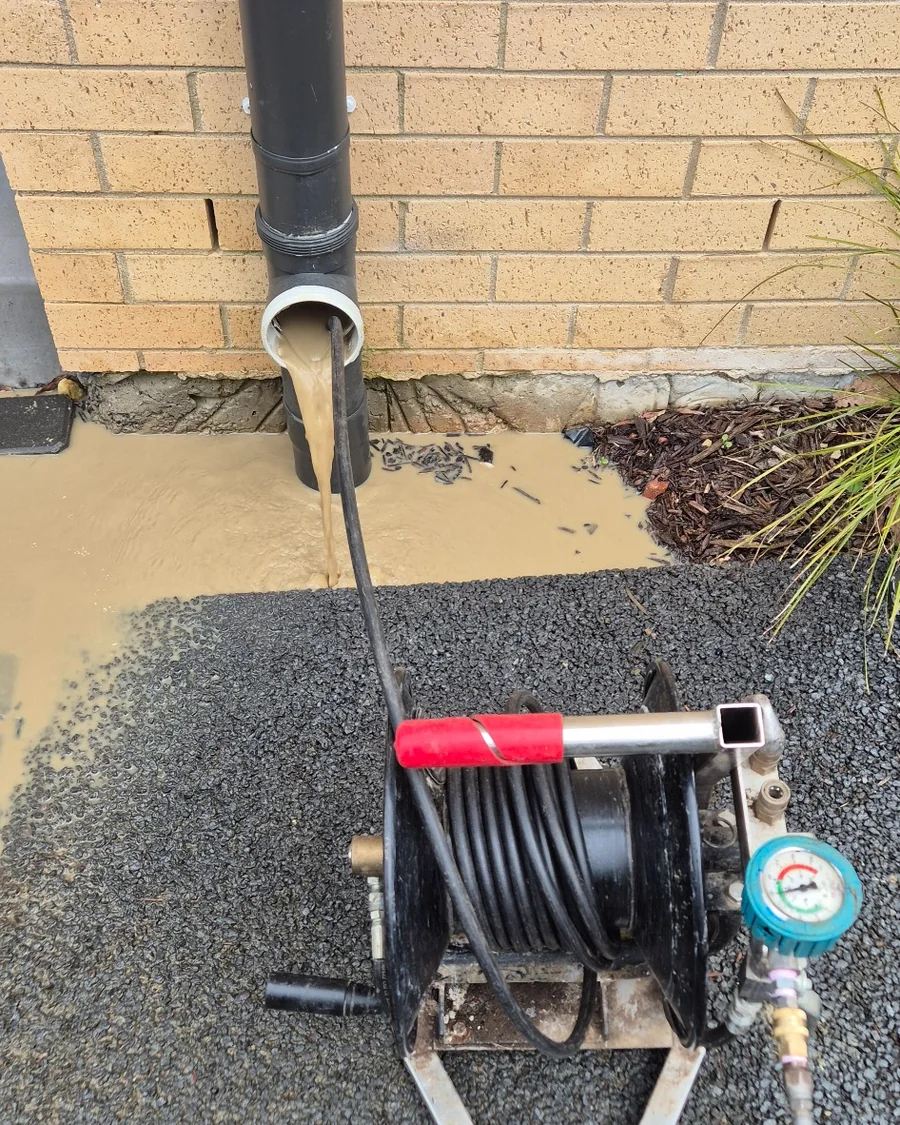
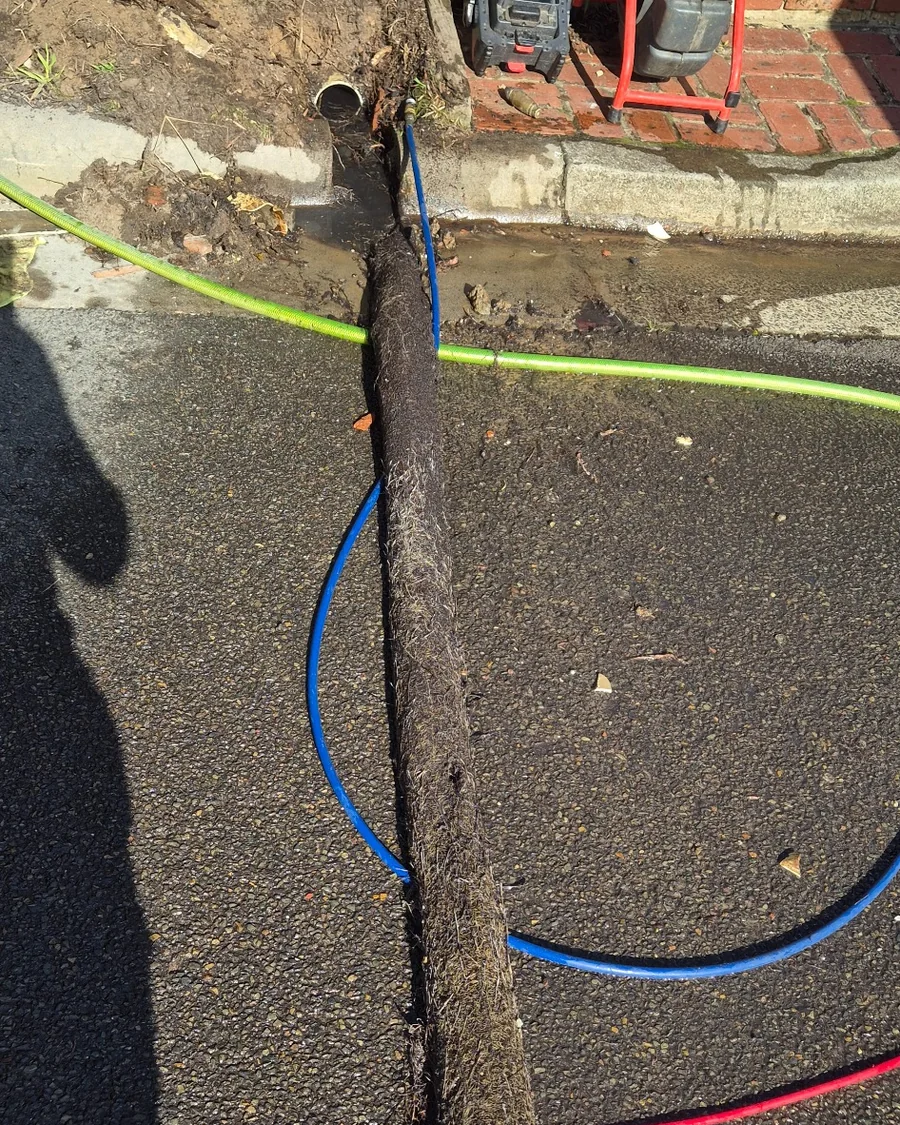
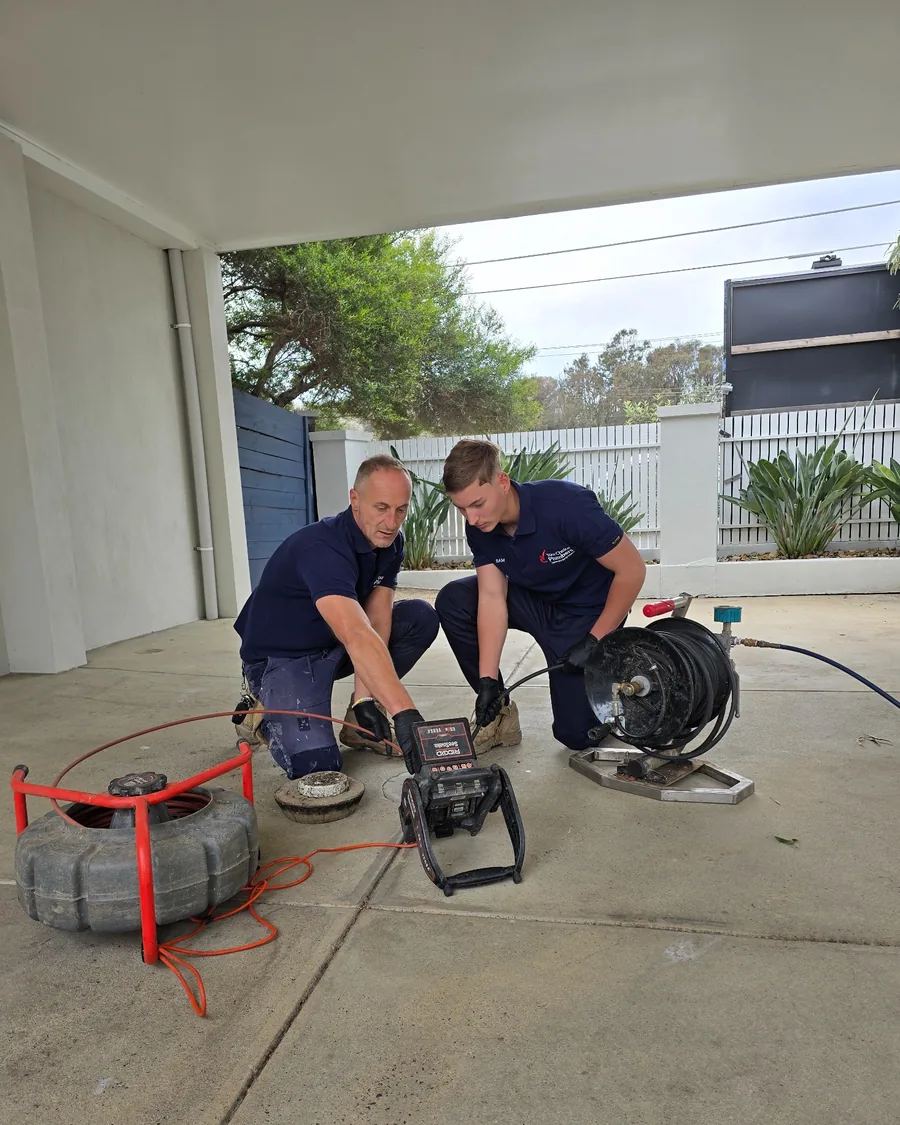
Blocked Drains Melbourne
If you have blocked drains Melbourne homeowners commonly deal with — like a sink backing up, a toilet not flushing properly, gurgling drains, sewer smells, or stormwater overflow outside — the safest next step is to stop using the affected fixtures and have the system diagnosed properly. Your Choice Plumbers can often clear blocked drains the same day, but the right fix depends on whether the problem is local, structural, sewer-related, or stormwater-related.
What should I do if my drain is blocked right now?
Stop using the affected sink, shower, toilet, or outside drain if water is backing up. Continued use can make the overflow worse and spread wastewater or stormwater to other parts of the property.
Is a blocked drain an emergency plumber job?
It can be. If wastewater is overflowing, the toilet is unusable, multiple drains are backing up, or water is pooling around the house during rain, it should be treated as urgent.
I need a blocked drain plumber near me — what should I do?
Call a licensed plumber who can actually diagnose the cause, not just poke a hole through the blockage. Your Choice Plumbers uses CCTV, jetting, and drain experience to work out what is really happening.
Why is my drain blocked if it was only slow before?
That is a very common pattern. What starts as a slow sink, shower, or toilet is often an early restriction from grease, hair, wipes, roots, or pipe damage that eventually tightens into a full blockage.
Can blocked drains be fixed the same day?
Many can, especially grease, hair, wipe, and debris blockages. If the drain is broken, collapsed, or structurally failed, the blockage can often be cleared first and the repair quoted separately.
What if water is overflowing outside the house?
That usually means the system is already under pressure. Sewer overflow or stormwater surcharge should not be ignored, because it can create hygiene, flooding, and property-damage issues very quickly.
5-Star Trust: What Our Local Customers Say About Sam, Natasha & The Team
[trustindex data-widget-id=6c3eb54733ce269ef526ffa7063]5-Star Trust: What Our Local Customers Say About Sam, Natasha & The Team
Real Blocked Drain Diagnosis & Repair in Melbourne
Recurring blocked drains often point to an underlying problem such as tree-root intrusion, damaged pipework or poor drainage condition. These real Parkdale job videos show how we use CCTV drain inspection and high-pressure water jetting to find the cause, restore flow and determine when cracked terracotta sewer pipework or a boundary trap needs repair.
Want to see the complete diagnosis and repair? Read our full Parkdale blocked drain case study to see how CCTV inspection identified the underlying defect, why the blockage returned, and how the damaged sewer pipe section was repaired.
Blocked Drain Problems We Diagnose Across Melbourne

Sink or Basin Draining Slowly or Blocked
We get called to this problem all the time, and what seems like a simple blocked sink is often a deeper kitchen waste or branch-line restriction. In many Melbourne homes, the slow drain you can see is only the symptom — not the real choke point.
What you’re experiencing
Water may sit in the sink, drain very slowly, bubble, smell bad, or back up when you run the tap. This often starts as an annoying kitchen or laundry problem before turning into a full blockage. Homeowners commonly search this as a blocked sink Melbourne, sink not draining Melbourne, kitchen sink blocked Melbourne, or basin not draining Melbourne problem long before they realise the line may be partly full of grease or waste deeper in the run.
Likely causes
Common causes include grease, food waste, soap build-up, fat deposits, old rough pipe walls, and partial blockages deeper in the waste line. In older Melbourne homes, we also see rough galvanised sections that catch debris more easily, while apartments and newer kitchens can build up years of fats and oils in 50mm waste lines that slowly close in from the inside.What we typically find on-site
In many Melbourne homes, slow sinks are not just a simple trap blockage. In our Port Melbourne apartment case study, a kitchen drain that had been “slow for years” ended up being heavily restricted by long-term fat build-up inside the 50mm waste pipe. In Carnegie, two other plumbers had failed to solve a stubborn grease blockage because they had only broken a hole through the build-up instead of properly cleaning the line wall-to-wall with high-pressure jetting and CCTV verification. We also regularly find kitchen lines that seem fine under light use but back up the moment both bowls discharge together.
Quick check
Fill the sink partly with water, then let it drain. If it swirls slowly, bubbles, smells, or backs up into another bowl or waste opening, there is likely a restriction in the line. If the dishwasher discharge also causes the sink to rise, the blockage may be further down the kitchen waste path rather than at the trap itself.Why it matters
A slow sink often gets worse gradually. The longer grease or waste build-up is left inside the pipe, the more likely you are to get a full blockage, cupboard leaks during DIY disassembly, or recurring callouts. This is also why drain clearing Melbourne needs to be done properly rather than just “opening a hole” through the obstruction.What happens if ignored
A drain that “sort of still works” can eventually stop completely, especially after heavy kitchen use. In apartments and homes alike, partial kitchen waste blockages can become fully blocked drains Melbourne homeowners suddenly cannot use at all, and repeated temporary clearing can increase long-term repair costs if the underlying branch line is never properly cleaned or inspected. If your kitchen, basin, or laundry sink is draining slower each week, now is the time to diagnose it properly before it becomes a full blockage.
Shower or Bath Not Draining Properly
We see this issue often, and what seems like a blocked shower waste is frequently a shared bathroom drain problem building in the branch line. In older Melbourne homes, the cause is often deeper and more stubborn than the outlet you can see from above.
What you’re experiencing
Water pools around your feet in the shower, the bath takes too long to empty, or multiple bathroom fixtures start slowing down together. Sometimes the shower becomes unusable because wastewater backs up into the tray. Homeowners often search this as shower not draining Melbourne, shower drain blocked Melbourne, bath not draining Melbourne, or “why is water pooling around my feet in the shower?”
Likely causes
Hair, soap residue, corrosion in older galvanised waste pipes, and restrictions in a shared bathroom waste connection are all common causes. In some Melbourne homes on stumps, the bathroom group has older layouts with galvanised pipes, frogmouth fittings, or awkward branch junctions where hair catches and compresses over time.What we typically find on-site
We often find that bathroom drainage problems are more complex than homeowners expect. In Murrumbeena, the bath, basin, and shower all stopped draining because years of hair had built up in a hidden frogmouth connection serving the shared bathroom waste line. The disconnector trap looked clear at first, but the real blockage was deeper in the shared outlet. That is exactly why grouped bathroom problems should not be guessed at. We also commonly see one fixture appear worst even though the real restriction is lower in the shared line serving the whole bathroom.
Quick check
Run the basin, then the shower, then the bath separately. If more than one bathroom drain is slow, noisy, or backing up, the problem may be in the shared branch connection rather than at a single outlet. If the toilet nearby is still normal, that can also suggest the issue is local to the bathroom group rather than the main sewer.Why it matters:
Bathroom blockages rarely stay neatly contained. Once one waste line slows heavily, shower use can force wastewater back into the lowest fixture and create hygiene issues fast. A blocked bathroom drain plumber Melbourne job is often not about one fitting — it is about understanding how those fixtures connect together.What happens if ignored
What starts as a slow shower can become a blocked bathroom group that leaves part of the home unusable. Older bathroom waste lines can also trap debris on corroded internal surfaces, making repeat blockages more likely if the real choke point is never properly cleared. That can also mean more invasive work later if a long-neglected drain layout is masking a deeper defect.
If your shower, bath, or bathroom basin is backing up, it is worth diagnosing the whole bathroom waste path before the problem spreads further.

Toilet Keeps Blocking
We get called to this all the time, and what seems like a toilet clog is often an early sign of a branch drain or sewer issue developing behind it. A toilet that keeps blocking usually means the problem has not actually been solved — only temporarily pushed back.
What you’re experiencing
Likely causes
Paper overload, wipes, branch drain restrictions, poor fall, early sewer blockage, or older drain defects can all cause repeated toilet problems. In some older Melbourne homes, aged earthenware lines, partial root intrusion, or cracking near a boundary trap can create a recurring catch point that only shows up first through the toilet.What we typically find on-site
A toilet that keeps blocking is often a warning sign, not the whole problem. In our Glen Iris case study, a homeowner thought it was a simple clog, but the deeper issue was a concealed main sewer blockage linked to structural failure in the drain. In Malvern East, repeat blocked sewer problems came back because the real cause was a cracked terracotta boundary trap that eventually required full replacement. We also often find toilets that are still “just usable” because the house is elevated on stumps and the drainage system is still surcharging with enough head pressure to partially discharge.
Quick check
Flush once only. If the water rises higher than normal, drains slowly, or nearby fixtures gurgle, stop using the toilet until it is checked. If repeated blocking is happening every few days or weeks, that is a strong sign the line itself needs investigation.Why it matters:
Repeated plunging or repeated flush attempts can force the problem into a worse overflow event. A toilet issue tied to the sewer line can quickly affect the whole house. This is why a blocked drain repair Melbourne approach is sometimes more important than just another quick unblock.What happens if ignored
The next step after a poorly flushing toilet is often a backed-up toilet, bad smells, or sewage surcharge outside. If the cause is structural, temporary clearing alone may not stop the recurrence, and the eventual repair can become larger, dirtier, and more expensive once the sewer has fully failed under use.
If your toilet keeps blocking, especially if it has happened more than once, it is safer to investigate the drain properly rather than keep treating it as a one-off clog.

Multiple Drains Backed Up or Overflowing
We see this often, and what seems like several separate blocked drains is usually one deeper sewer problem affecting the whole system. When more than one fixture is involved, the issue is rarely local anymore.
What you’re experiencing
Likely causes
This usually points to a main sewer blockage, not a local sink or shower issue. Wipes, sanitary products, tree roots, collapsed pipe sections, and boundary trap problems are common causes. On older Melbourne properties, especially those with original earthenware drains or boundary trap systems, the blockage may sit near the boundary connection and affect multiple fixtures before everything fully stops.What we typically find on-site
This is one of the clearest signs of a deeper sewer problem. In Caulfield East, the owners first noticed overflow at the driveway boundary trap area and then at overflow relief gullies on the side of the home. The cause turned out to be a full sewer blockage involving baby wipes. In Oakleigh, frequent blockages were traced to a collapsed sewer boundary trap that required a VBA-inspected replacement. These are exactly the kinds of blockages that should not be treated as “just one drain being slow.” We also see homes on stumps where fixtures continue to partly drain even while the sewer is already overflowing outside.
Quick check
Check whether only one fixture is affected or whether the toilet, shower, and other drains are all acting strangely together. Also look outside for overflow at relief points or boundary trap areas. If sewer water is surfacing outside, stop running taps and flushing toilets.Why it matters:
When several drains back up together, the system is already telling you the problem is bigger than one fixture. Sewer overflow also creates hygiene and clean-up issues very quickly. This is where blocked sewer drain Melbourne becomes the real issue, not just an isolated fixture blockage.What happens if ignored
A full sewer blockage can force wastewater out through the lowest relief point, stop the home functioning properly, and turn an early warning into a genuine drainage emergency. It can also contaminate paths, garden areas, and surfaces around the house, increasing clean-up time and cost.
If multiple drains are backing up or overflowing, stop using water where possible and arrange diagnosis urgently before the sewer surcharge worsens.

Gurgling Drains or Bad Sewer Smells
We see this often, and what seems like a harmless noise or smell is usually the system warning you before a full blockage hits. Gurgling and sewer odour are often early signs of airflow and discharge problems deeper in the drain.
What you’re experiencing
Likely causes
Partial sewer blockages, restricted venting, pressure imbalance in the drain line, or water being pulled from traps can all cause these early warning signs. In boundary trap systems, a partial blockage can interfere with airflow through the trap arrangement before wastewater flow fully stops.What we typically find on-site
We often see this before a drain fully blocks. In Cheltenham, the bathroom drains were still discharging, but gurgling and sewer smell were already present because a boundary trap blockage was restricting airflow through the system. The owner acted early, which prevented the issue progressing to a full sewer overflow. This is a very common pattern in older Melbourne drainage systems. We also see gurgling when toilets are flushed and nearby bathroom traps respond first because the main line is starting to choke.
Quick check
Flush the toilet once and listen to nearby drains. If you hear bubbling, smell sewer odour, or notice repeated gurgling under normal use, the system may already be partially blocked. If the smell gets worse after showers or flushing, that is another strong clue.Why it matters:
These are early-stage warning signs homeowners often dismiss. But when airflow and wastewater movement are being disrupted, the system is already heading in the wrong direction. A blocked drains plumber Melbourne diagnosis at this stage is often simpler than waiting for a full overflow.What happens if ignored
Gurgling and bad smells can progress into slow toilets, boundary trap overflow, and full sewer blockage. Acting at this stage is usually easier, cleaner, and cheaper than waiting for a full backup. Left long enough, traps can also lose water seals and allow more sewer odour into the home.
If your drains are gurgling or smell like sewer, it is worth checking the system early while the home is still mostly usable.

Downpipe Overflowing When It Rains
We get called to this a lot, and what seems like a gutter problem is often a blocked or damaged stormwater line below ground. When only certain downpipes overflow, the cause is often further down the branch than homeowners expect.
What you’re experiencing
Likely causes
Blocked stormwater drains, broken underground pipe sections, blocked outlets, soil ingress, root intrusion, or localised branch restrictions are common causes. Older Melbourne properties with original earthenware stormwater lines are especially prone to localised breakage and soil entry, while flat blocks may struggle because stormwater relies on minimum fall to the legal point of discharge.What we typically find on-site
Overflowing downpipes are not always about leaves in the gutter. In Mount Waverley, only the rear downpipes were overflowing while the front worked normally. CCTV and locating revealed a broken stormwater pipe section under the path, with soil entering the line and restricting flow. That targeted diagnosis meant the owners avoided unnecessary full replacement. We also regularly find old downpipe branches that appear normal in dry weather but surcharge heavily in rain because a rear branch or local discharge path is partly restricted.
Quick check
Look at whether all downpipes are overflowing or only one branch of the house. If only a certain section backs up, the issue may be isolated deeper in the stormwater line. If gutters are clean but the downpipe still surcharges, the blockage is likely underground.Why it matters:
Stormwater overflow near the house can soak paths, footings, and surrounding ground. It can also hide the real defect until more damage builds up. This is why blocked stormwater drain Melbourne problems should not be written off as a seasonal inconvenience.What happens if ignored
An overflowing downpipe can keep dumping rainwater where it should not be, and the trapped moisture can create ongoing drainage, movement, or external property issues around the home. Over time, saturated ground around paths and slabs can lead to more invasive repair work than the original stormwater fault alone.
If one or more downpipes overflow every time it rains, have the stormwater branch checked properly before the next wet period exposes a bigger defect.

Water Pooling Outside or Around the House
We see this often, and what looks like surface water or poor drainage is usually a stormwater discharge problem somewhere in the system. In many Melbourne homes, the real issue sits at the outlet or underground line — not on the surface where the puddle appears.
What you’re experiencing
Likely causes
Blocked stormwater outlets, choked curb discharge points, overflowing pits, poor stormwater flow, and underground restrictions are all common. On flatter Melbourne blocks, even a partially blocked outlet can create major surcharge because the system has less natural fall to work with.What we typically find on-site
Many homeowners assume this is just surface runoff, but the actual problem is often in the stormwater system. In Chelsea, water pooling around the house was caused by a curb-and-channel outlet that had become around 80% blocked with soil and grass growth. Once the outlet and 100mm UPVC line were hydro jetted and CCTV checked, the system discharged properly again. We also commonly find that soggy ground near the house is worst where stormwater backs up at the lowest external point rather than where the actual blockage sits.
Quick check
After rain, inspect whether the problem is widespread surface water or whether the overflow is concentrated near pits, grates, downpipe bases, or the front legal point of discharge. If the water seems to linger in the same area every storm, the drainage path likely needs proper testing.Why it matters:
Persistent water around the house is not just inconvenient. Ongoing moisture can affect gardens, paths, and — over time — potentially contribute to movement and cracking risks around the property. This is especially relevant on flat blocks or where stormwater repeatedly saturates the same soil around footings.What happens if ignored
Stormwater surcharge can get worse gradually over seasons. By the time the problem becomes obvious, the outlet or drain line may already be heavily restricted. Left long enough, what begins as pooling water can become a broader property-protection issue involving soggy subsoil, damaged paths, and avoidable repair costs. If water is pooling around your home after rain, it is worth checking the stormwater discharge path before a small drainage issue turns into a bigger property-protection problem.How Blocked Drain Problems Build in Melbourne Homes
Understanding whether the problem is sewer-related or stormwater-related helps explain why the symptoms look different — and why the right diagnosis matters.
Blocked drains are easier to understand when you separate them into two broad systems: the sewer drainage system that carries wastewater away from toilets, showers, basins, kitchens, and laundries, and the stormwater drainage system that carries rainwater away from roofs, pits, and outdoor surfaces. Both can block, but the symptoms are different.
When sewer drains start blocking up, homeowners often notice early signs first — gurgling drains, bad sewer smells, slow toilet flushing, or repeated local blockages. As the restriction worsens, multiple fixtures can become affected together, and overflow may appear at boundary traps or overflow relief gullies.
Stormwater problems usually reveal themselves differently. Downpipes may overflow during rain, pits may surcharge, and water may pool outside or around the house because the legal point of discharge or underground line is restricted.
Understanding which system is affected helps avoid wasted time and helps us choose the right method — from internal waste line cleaning to CCTV drain inspection, hydro jetting, locating, or targeted sewer drain and stormwater drain repairs.
Sewer Drainage Diagram
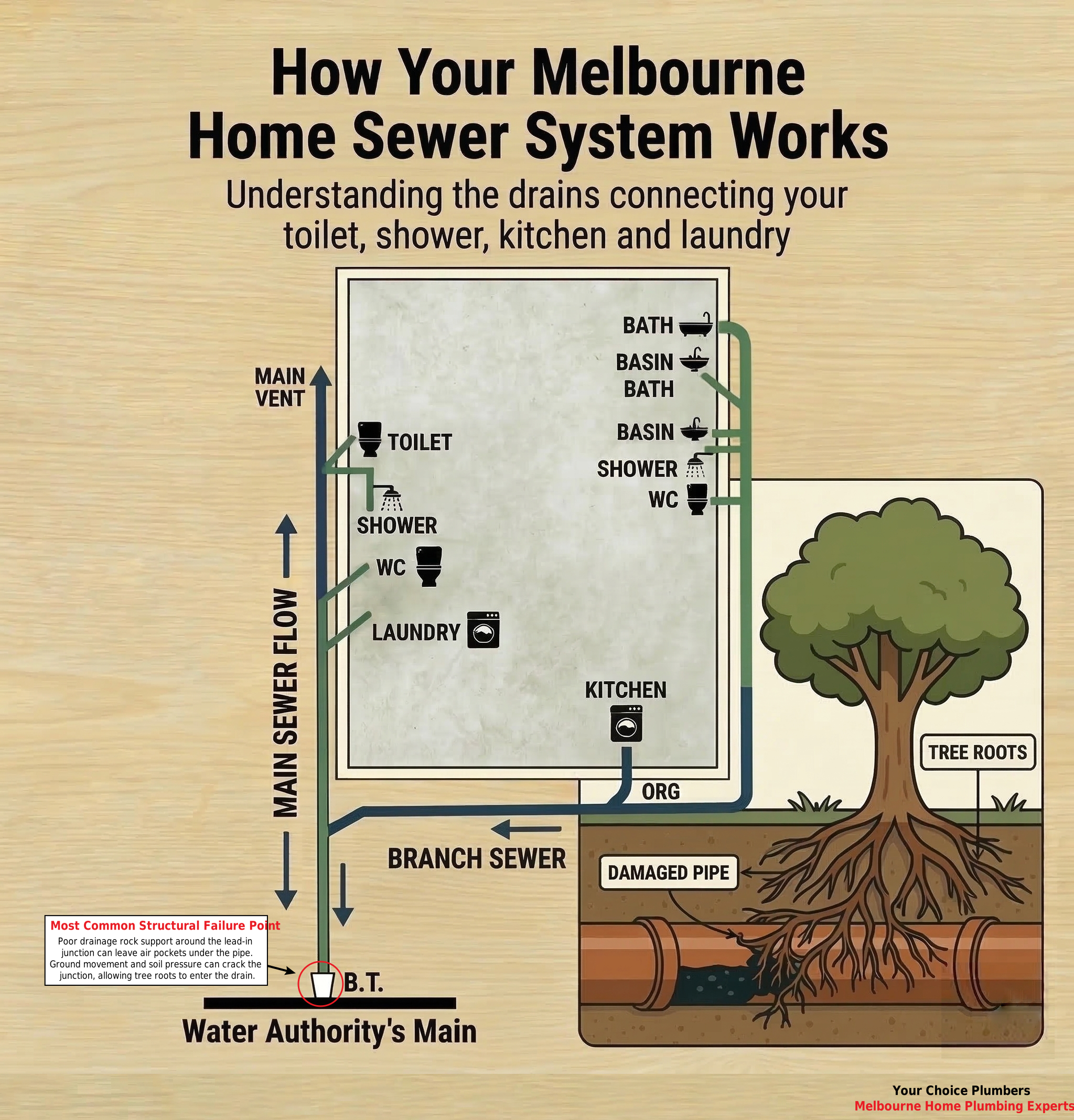 Typical Melbourne home sewer drainage system showing fixture waste paths, main sewer flow, and common blockage points.
 Stormwater Drainage Diagram
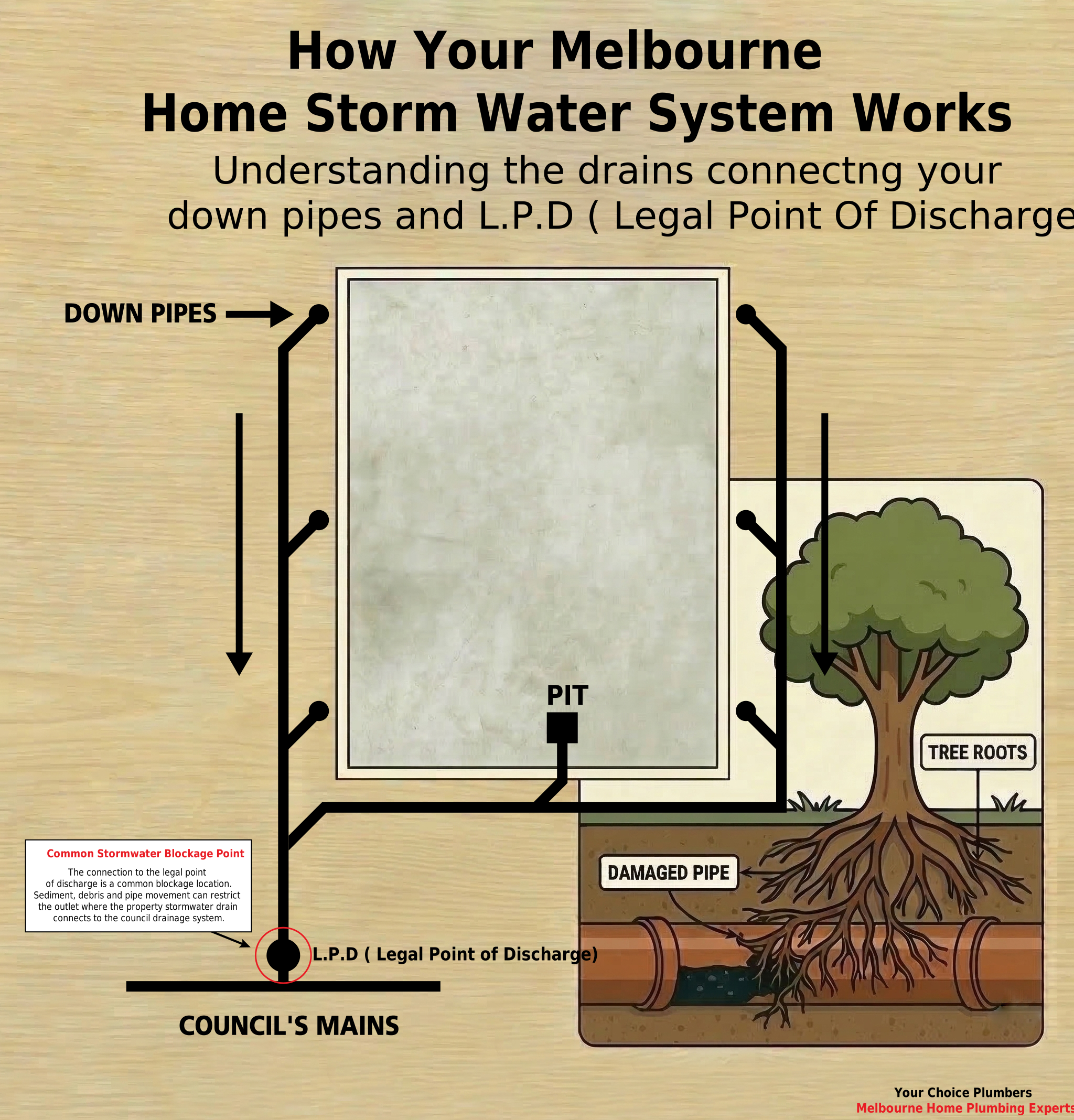 Typical Melbourne home stormwater drainage system showing downpipes, underground lines, and discharge path.
 Boundary Trap Sewer Connection Diagram
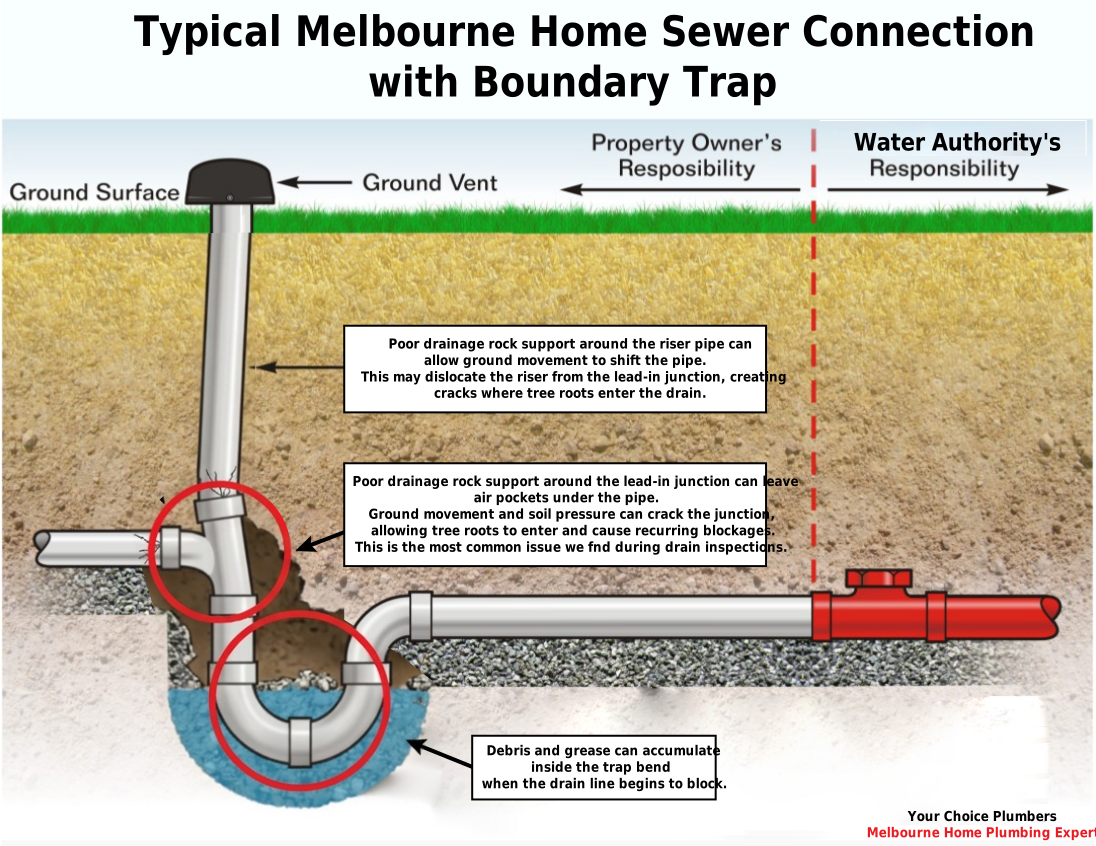 Boundary trap sewer connection showing relief, venting, and why blockages often cause gurgling or overflow.
 Direct Sewer Connection Diagram
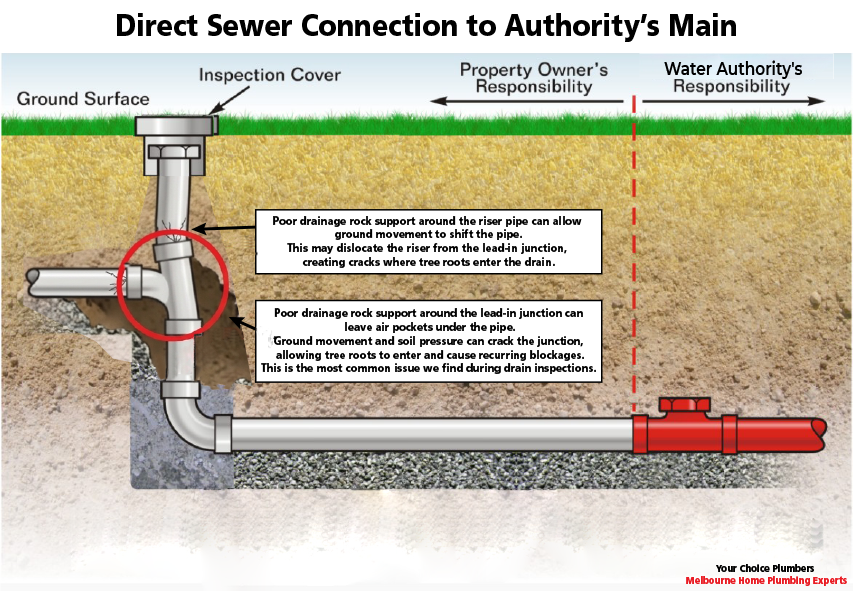 Direct sewer connection layout showing how sewer flow behaves where no boundary trap system is present.
 Sewer Drainage Diagram
Typical Melbourne home sewer drainage system showing fixture waste paths, main sewer flow, and common blockage points.
Stormwater Drainage Diagram
Typical Melbourne home stormwater drainage system showing downpipes, underground lines, and discharge path.
Boundary Trap Sewer Connection Diagram
Boundary trap sewer connection showing relief, venting, and why blockages often cause gurgling or overflow.
Direct Sewer Connection Diagram
Direct sewer connection layout showing how sewer flow behaves where no boundary trap system is present.
What Commonly Causes Blocked Drains in Melbourne?
Grease, Fat and Food Waste Build-Up
Kitchen drains often block gradually, especially where fats, oils, grease, and food residue have been entering the pipe over years. Our Carnegie and Port Melbourne jobs are strong examples of this. A drain may seem “partly okay” for a long time before suddenly becoming fully blocked. This is one of the most common causes behind sink draining slowly Melbourne and kitchen sink blocked Melbourne searches.
Hair, Soap and Bathroom Waste Build-Up
Bathroom drains often trap hair and soap residue, especially in older pipework or shared bathroom branch connections. Our Murrumbeena case showed how several bathroom fixtures can block together because of heavy hair build-up hidden at a shared connection point rather than at one visible outlet. In older galvanised drain lines, rough internal corrosion makes this even worse.
Wipes and Non-Flushable Products
Baby wipes and other non-flushable products are a common cause of blocked sewer drain Melbourne homeowners experience. In Caulfield East, wipe build-up contributed to a full sewer surcharge affecting multiple relief points around the home. Products marketed as “flushable” are a frequent cause of recurring blockages in real sewer systems.
Tree Roots and Structural Drain Damage
Roots often enter older drains through joints, cracks, or broken sections, then create a catch point for paper and waste. In other cases, the real issue is not roots alone but a broken or collapsed section of pipe, like we found in Glen Iris and Mount Waverley. This is where drain repair Melbourne becomes more relevant than just repeated unblocking.
Collapsed Boundary Traps and Old Earthenware Drains
Older Melbourne homes often still rely on original terracotta or earthenware drainage systems. In Malvern East and Oakleigh, recurring blockages were linked to structural boundary trap failure, which meant temporary clearing alone could never be the final answer. On properties with older boundary trap layouts, repeated sewer issues often need CCTV, locating, and proper below-ground repair.
Blocked Stormwater Outlets and Legal Points of Discharge
Water pooling around the home or downpipes overflowing when it rains is often caused by a stormwater outlet becoming choked with grass, soil, and debris. Our Chelsea stormwater case is a perfect example of why the front discharge point should not be overlooked, especially on flatter Melbourne blocks where even a partial restriction can create major surcharge.
How We Clear and Diagnose Blocked Drains Properly
High-Pressure Hydro Jet Drain Cleaning
Hydro jetting is one of the most effective ways to clear grease, hair, wipes, sludge, and some root-related obstructions because it cleans the inside wall of the pipe rather than just punching a narrow hole through the blockage. This was critical in jobs like Cheltenham, Caulfield East, and Carnegie, where proper wash-down and full clearing mattered. For many drain unblocking Melbourne jobs, this is the difference between a temporary result and a properly cleared pipe.CCTV Drain Inspection Melbourne
CCTV inspection helps us see whether the problem is simply a blockage or something more serious such as a broken line, root intrusion, offset joint, or structural collapse. It also helps verify whether the drain is actually clean after jetting, as seen in Chelsea, Mount Waverley, and Caulfield East. It is especially valuable when the symptoms do not match the homeowner’s first assumption.Drain Locating Equipment
When the defect is underground, concealed under concrete, or buried in an older property layout, locating equipment helps identify the exact failure point before excavation. This was especially important in Glen Iris, where a buried boundary trap shaft had to be accurately found, and in Mount Waverley, where the failed stormwater section was marked under the concrete path.Internal Waste Line Cleaning for Tight Access Areas
Not every blocked drain is best handled with a large jetter hose. In apartments and tight-access homes, compact equipment can be the right solution. Our Port Melbourne high-rise case is a good example, where a RIDGID FlexShaft system was the safer and more suitable method for clearing a heavily restricted kitchen waste line.Targeted Drain Repairs When the Pipe Is Damaged
If the drain is broken, missing a section, collapsed, or no longer compliant, the right next step may be repair rather than repeated clearing. That is the difference between a quick unblock and a lasting result. Cases like Malvern East, Oakleigh, Mount Waverley, and Glen Iris all show why some blocked drains Melbourne homes suffer from are really structural problems in disguise.Our Blocked Drain Diagnosis and Repair Process
Step 1 — Work Out Which Drain System Is Affected
We start by identifying whether the problem is in the sewer system, stormwater system, or a local internal branch line. That prevents wrong assumptions and helps us choose the right diagnostic path from the start.
Step 2 — Test the Symptoms Properly
We test the relevant fixtures, outside overflow points, downpipes, pits, and discharge paths to understand how the system behaves under use. This often reveals whether the problem is early-stage, partial, full, localised, or structural.
Step 3 — Use the Right Equipment for the Job
Depending on what we find, we may use hydro jetting, CCTV inspection, compact internal cleaning equipment, or locating tools. The method depends on access, pipe type, property style, and whether the issue is blockage-only or damage-related.
Step 4 — Confirm the Drain Is Actually Clear
Where appropriate, we re-test fixtures, re-check flow under load, and use CCTV to confirm the drain is properly cleared — not just temporarily opened.
Step 5 — Explain Whether Any Repair Is Needed
If the blockage exposed a broken pipe, cracked boundary trap, or failed stormwater section, we explain the repair options clearly and quote the next step. This is where proper diagnosis protects the homeowner from guesswork and repeat callouts.
Step 6 — Leave the Home Clean, Clear and Better Informed
We clean up, explain what caused the problem, and give practical prevention guidance so the same issue is less likely to return.
Mid-page reassurance paragraph:
Our goal is not to rush through a quick unblock and disappear. It is to leave you understanding what happened, whether anything deeper is going on, and what the safest next step is for your home.
Blocked Drains Melbourne – Real Case Studies & Results from Sam, Natasha & The Team
Multiple Drains Blocked and Overflowing in Caulfield East VIC 3145
At a Caulfield East home, sewer overflow first appeared near the front driveway and then at the side of the house through multiple overflow relief points. The toilets were still flushing slowly, but gurgling drains, boundary trap overflow and ORG surcharge showed the main sewer line was fully blocked. We cleared the blockage through the boundary trap using high-pressure jetting, found baby wipes in the sewer surcharge, completed CCTV inspection, washed down the line properly, and sanitised the affected overflow areas. Read more: Multiple drains blocked in Caulfield East caused by a full sewer blockageGurgling Drains and Sewer Smell Fixed in Cheltenham VIC 3192
At a Cheltenham home, the owner noticed gurgling noises from the bathroom drains and a bad sewer smell even though the fixtures were still draining. Testing showed the toilet was flushing, but the drainage system was struggling for airflow, which pointed to an early-stage sewer blockage. We inspected the boundary trap shaft and found the sewer level rising with each flush. The blockage was cleared with high-pressure jetting, the fixtures were re-tested, and both the gurgling noise and sewer smell disappeared. Read More: Gurgling drains in Cheltenham caused by a boundary trap blockageStubborn Kitchen Grease Blockage Cleared in Carnegie VIC 3163
At a Carnegie home, the kitchen sink was still blocking after two other plumbing companies had already tried to clear it. Our inspection found heavy grease build-up affecting both the 50mm kitchen waste line and the connected 100mm underground UPVC branch drain. We accessed the line through the under-sink waste, used specialised hydro jetting equipment to break down the grease properly, and confirmed the result with CCTV drain inspection so the homeowner could see the drain was genuinely clear. Read more: Stubborn grease blockage cleared properly in CarnegieBlocked Bathroom Drains Cleared at the Frogmouth Connection in Murrumbeena VIC 3163
At a Murrumbeena home, the basin, bath and shower in one bathroom were all draining slowly, with wastewater backing up into the shower base. After confirming the rest of the home’s sewer system was draining normally, we traced the issue to the shared bathroom waste connection outside. The older galvanised waste lines were jetted individually, but the real blockage was found at the frogmouth outlet, where years of hair build-up had created a hidden choke point. Reverse jetting through the ORG finally restored proper flow to all three bathroom fixtures. Read more: Blocked bathroom drains in Murrumbeena cleared at the frogmouth connectionHigh-Rise Kitchen Drain Blockage Cleared in Port Melbourne VIC 3207
At a Port Melbourne high-rise apartment, the kitchen sink had been draining poorly for years before becoming fully blocked. Because high-pressure jetting was not practical inside the apartment building, we used a RIDGID FlexShaft drain cleaning machine through the kitchen waste line. The rotating chain attachment removed heavy fat and grease build-up from the 50mm waste pipe, the line was flushed with hot water, and aged sink waste seals were replaced before the system was reassembled and tested with no leaks. Read more: High-rise apartment kitchen drain blockage cleared in Port MelbourneBlocked Stormwater Drain Causing Water Pooling in Chelsea VIC 3196
At a Chelsea home, water was pooling around the house during rain and the ground was staying soggy long after wet weather. Our inspection found the downpipes, gutters and adaptors were in good condition, so we traced the issue to the legal point of discharge at the curb and channel. The outlet was around 80% blocked with soil and grass growth, causing stormwater to back up through the system. We cleared the outlet, hydro jetted the 100mm UPVC stormwater line, and used CCTV drain inspection to confirm the pipe was structurally sound. Read more: Blocked stormwater drains in Chelsea caused water pooling around the houseOverflowing Downpipes Repaired in Mount Waverley VIC 3149
At a Mount Waverley home, two rear downpipes were overflowing during rain while the front downpipes were draining normally. Using CCTV drain inspection, hydro jetting and locating equipment, we found that a section of the underground stormwater pipe was broken, allowing soil and tree roots to enter the line. The damaged section was repaired with new 100mm UPVC stormwater pipe, the pipe was bedded correctly, the concrete path was reinstated, and the rear downpipes were restored to proper drainage. Read more: Overflowing downpipes in Mount Waverley caused by a broken stormwater pipeCollapsed Sewer Drain Located and Repaired in Glen Iris VIC 3146
At a Glen Iris home, poor toilet flushing and water leaking around the base first looked like a simple blockage, but inspection showed the main sewer was fully blocked. The boundary trap shaft was buried under the pebble driveway and was not shown correctly on old sewer plans, so we used a remote transmitter and NaviTrack locator to find it. Hydro jetting removed large amounts of sanitary product waste, but clay on the nozzle and muddy water confirmed a collapsed sewer section. The fault was identified and an emergency sewer repair was arranged. Read more: Collapsed sewer drain located after a complex blockage in Glen IrisSewer Boundary Trap Repair Passed Inspection in Oakleigh VIC 3166
At an Oakleigh home, frequent sewer blockages were traced to a collapsed terracotta boundary trap in the backyard. The repair required the correct emergency sewer permit, underground drainage inspection booking, and a compliant sewer boundary trap replacement. Our team replaced the failed boundary trap connection, lead-in junction and multi-vent sewer shaft cover, with the work inspected for correct pipe fall, bedding, backfill and structural concrete support before approval to backfill. Read more: Sewer boundary trap replacement in Oakleigh passed strict inspectionRecurring Sewer Blockage Traced to Failed Boundary Trap in Malvern East VIC 3145
At a Malvern East home, the sewer blocked again within six months of a previous visit, confirming the issue was more than a routine blockage. The property was still relying on an older terracotta drainage system, and the known boundary trap fault had worsened. The cracked terracotta boundary trap was allowing effluent to seep into the surrounding ground, washing away support and increasing the risk of repeat failure. After confirming the structural cause, we advised full replacement and began organising the required sewer repair permit pathway. Read more: Recurring sewer blockage in Malvern East traced to a failed boundary trapLicensed, Compliant Drain Work That Protects the Home
Blocked drains are not always just clearing jobs. Sometimes they expose defective gradients, poor past repairs, cracked boundary traps, damaged stormwater sections, or underground work that must be handled correctly. That is why licensed diagnosis matters.
Where repair or replacement is required, our work is carried out in line with the relevant drainage requirements of AS/NZS 3500.2:2021. Jobs involving underground sewer repair, boundary traps, and water authority connections may also require permits, authority processes, and inspection coordination depending on the work involved.
Our real-world jobs in Oakleigh, Malvern East, and Glen Iris show why this matters. Clearing the blockage is only part of the story if the underlying drain has structurally failed.
Why Compliance Matters for Blocked Drain Repairs
If an underground drain repair is done incorrectly, the homeowner may face repeat blockages, poor drain fall, failed inspection outcomes, or future excavation costs that could have been avoided with proper work from the start. That is one reason we take blocked drain repair Melbourne work seriously when the issue goes beyond clearing alone.
What This Means for Homeowners
You want to know whether the problem is simply blocked, structurally damaged, or both. We explain that clearly so you can make an informed decision without guessing.
Complimentary Property Protection Audit
Every completed plumbing job with Your Choice Plumbers includes our Complimentary Property Protection Audit to help protect your home from preventable water damage and compliance risks. As part of this process, we check for key issues that many homeowners never realise are putting their property at risk, including:
- excessive water pressure above 500 kPa, which can stress taps, mixers, valves, appliances, and pipework
- flexible braided hoses that may be rusted, swollen, poorly supported, or approaching failure
- hot water temperature risks, including scalding concerns where household delivery temperatures are not properly controlled
- visible signs of ageing plumbing components that may fail unexpectedly

This is especially important on everyday home plumbing visits, because repeated fixture failures, hot water issues, leaks, and valve problems can sometimes point to broader pressure or plumbing system stress.
Related Plumbing Services That Often Connect with Blocked Drains
Service Areas Across Melbourne
We provide professional blocked drains Melbourne services across Melbourne, including:
 Plumber Bentleigh
Blocked Drains Melbourne FAQs
How do I know if I have a blocked drain or just a slow drain?
If water is draining slower than normal, bubbling, smelling bad, or backing up, the drain is already restricted. A “slow drain” is often just an earlier stage of a blocked drain.
What is the most common cause of blocked drains in Melbourne homes?
It depends on the fixture and the property age. Common causes include grease in kitchen lines, hair and soap in bathroom drains, wipes in sewers, roots in older drains, and blocked stormwater outlets outside.
Why is my shower backing up when the basin and bath are slow too?
That usually points to a shared bathroom drain problem rather than three separate small blockages. In older homes, the restriction is often hidden in the common waste connection serving those fixtures.
Why does my toilet bubble or gurgle when other fixtures are used?
That is often a sign the sewer line is struggling to move air and wastewater properly. It can happen before a full blockage or overflow becomes obvious.
Can blocked drains cause bad smells even if water is still going down?
Yes. Gurgling and sewer smells are often early warning signs of a partial blockage or venting issue before the drain fully stops.
Why is my downpipe overflowing when it rains?
That usually means the connected stormwater line is blocked, broken, or not discharging properly underground, especially if the gutters are clear but the downpipe still backs up.
Who fixes blocked drains in Melbourne?
A licensed plumber with the right drain equipment should handle it, especially if the problem keeps returning, affects more than one fixture, or involves sewer or stormwater overflow.
I need a blocked drain plumber near me — what should I do?
Stop using the affected fixtures if water is backing up, and arrange a licensed plumber who can properly diagnose whether the problem is local, sewer-related, stormwater-related, or structural.
Can I fix a blocked drain myself?
Very minor local trap blockages sometimes can be improved, but repeated DIY chemicals, rods, or guesswork can damage pipework or delay proper diagnosis. If the problem keeps returning, it usually needs professional testing.
Can blocked drains be repaired the same day?
Many blockage-only jobs can be cleared the same day. If CCTV shows a collapsed pipe, cracked boundary trap, or broken stormwater section, clearing may happen first and the structural repair may be scheduled next.
How much does blocked drain clearing cost?
The cost depends on what is actually causing the issue, how accessible the drain is, what equipment is needed, and whether the problem is just a blockage or a structural defect. Proper diagnosis helps avoid paying for the wrong fix.
Will home insurance cover blocked drain damage?
Sometimes it may cover resulting damage, but not always the cause itself. Coverage depends on the policy, the cause of the blockage, and whether there is sudden damage versus gradual deterioration.
What happens if a blocked drain is ignored?
It can progress from slow drainage and smells to full blockage, overflow, unusable fixtures, outside surcharge, or property damage. Early diagnosis usually means a cleaner and simpler fix.
Need a Reliable Blocked Drain Plumber in Melbourne?
Whether you are dealing with a slow sink, a blocked shower, a toilet that keeps backing up, gurgling sewer drains, or stormwater overflow outside, the key is getting the drain diagnosed properly before the problem worsens. Your Choice Plumbers gives homeowners clear advice, honest options, and the right mix of experience, drain equipment, and long-term thinking to protect the home.
Left too long, a blocked drain can turn into wastewater overflow, stormwater flooding, property damage, and much bigger repair costs than an early diagnosis would have involved.