

Melbourne’s Trusted
Home Plumbing Experts
Preventative Plumbing & Property Protection for Melbourne Homes

 VBA Licensed Insured
 Master Plumbers Member
 Fixed Upfront Pricing
 Local Family Owned

Sam & Natasha
Founders, Your Choice Plumbers
Melbourne’s Trusted
Home Plumbing Experts
Preventative Plumbing & Property Protection for Melbourne Homes
Most plumbing emergencies start with hidden warning signs. We help Melbourne homeowners identify pressure, hot water, and flood risks before something fails.

Sam & Natasha
Founders, Your Choice Plumbers
VBA Licensed Insured
Master Plumbers Member
Fixed Upfront Pricing
Local Family Owned
Why Plumbing Prevention Matters More Than Most Homeowners Realise
Most homeowners only think about plumbing when something leaks, bursts, blocks, or stops working. The problem is that by the time a plumbing issue becomes obvious, the hidden damage or risk has often been building for a long time.
At Your Choice Plumbers, we take a prevention-first approach. We see it as part of our responsibility to help homeowners protect their property, reduce avoidable water damage, and understand the hidden risks inside the plumbing system before they turn into expensive failures.
This page is the prevention hub for Melbourne homeowners who want to understand the biggest plumbing risks we commonly find, why they matter, and what practical steps can be taken to keep the home safer, more compliant, and better protected long term.
Preventative Plumbing & Property Protection for Melbourne Homes
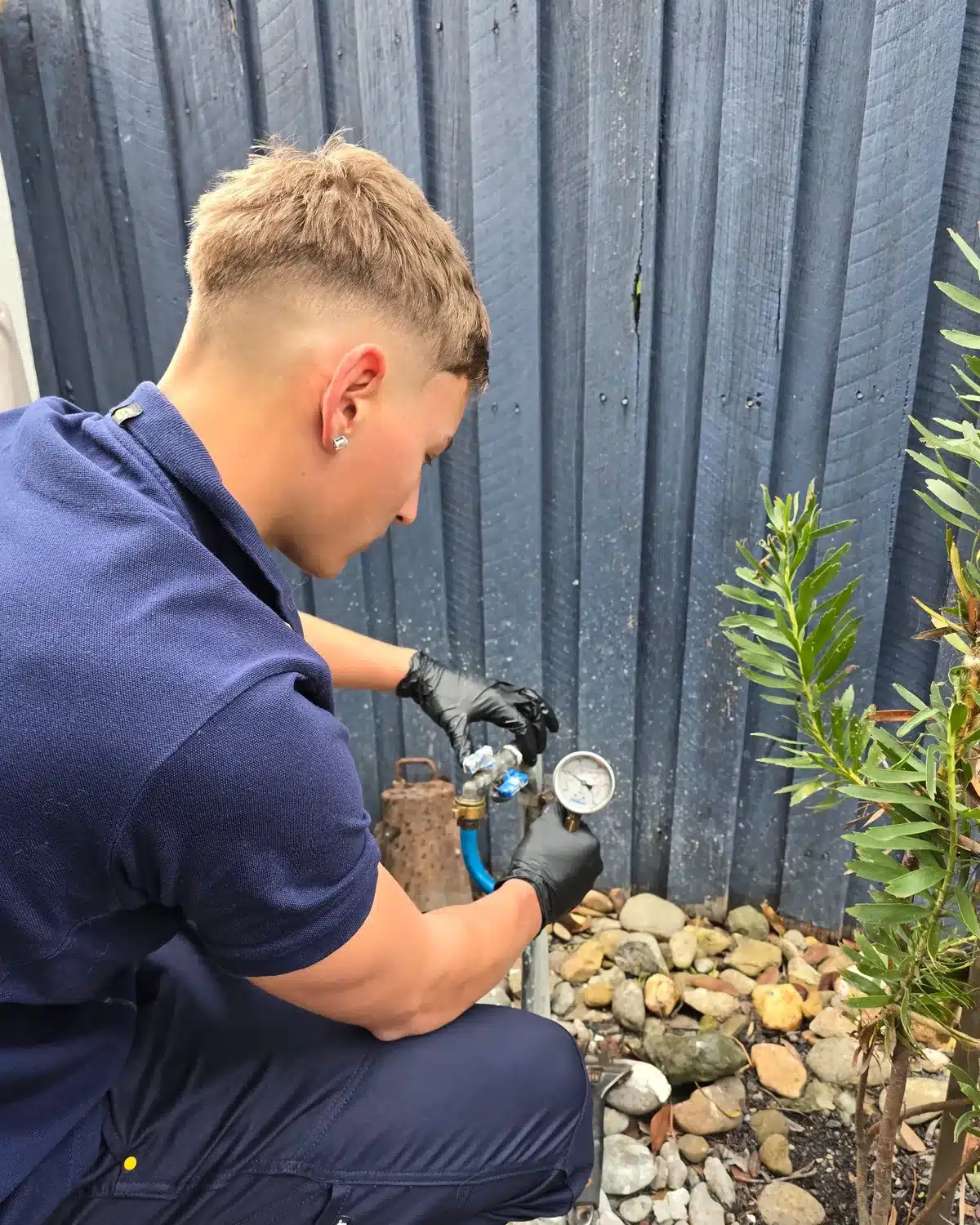
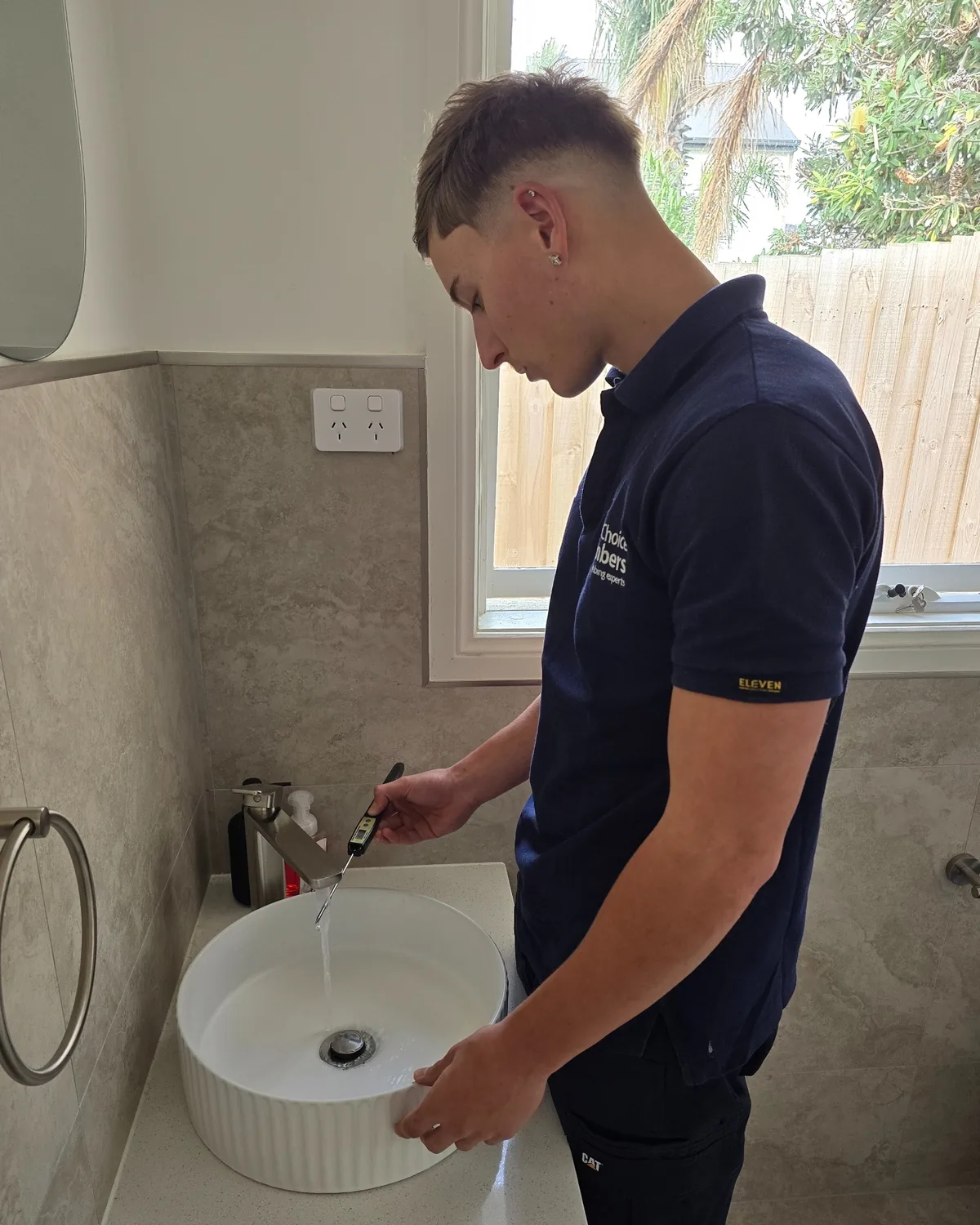
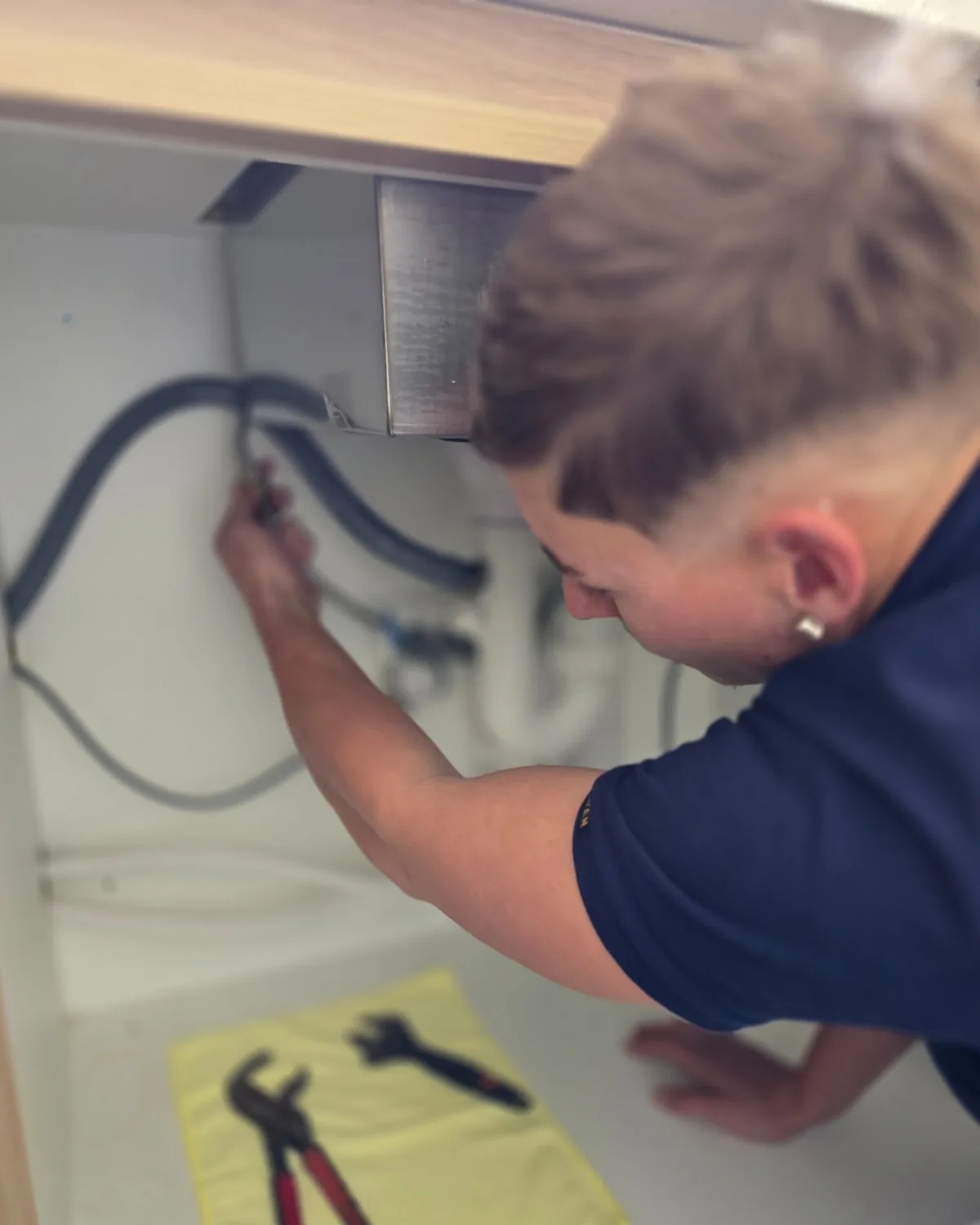
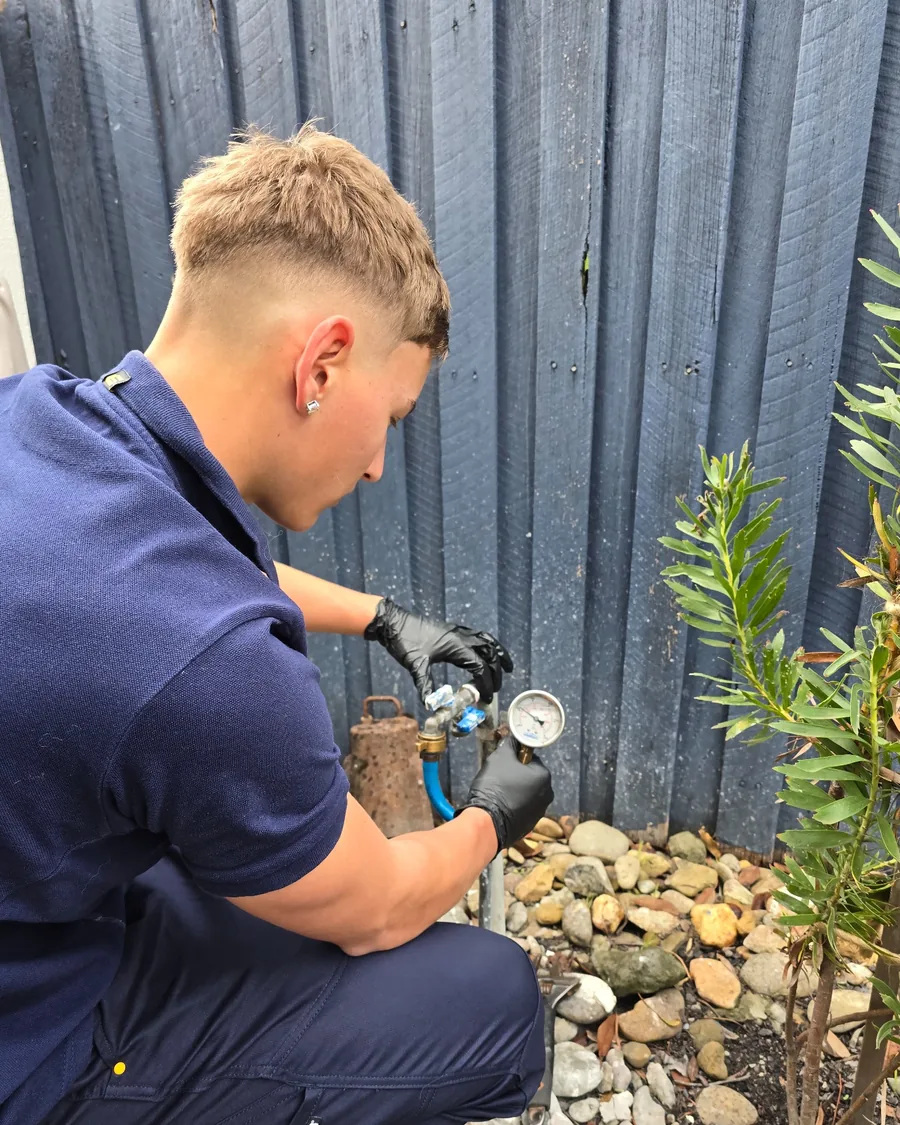
When a Pressure Reducing Valve Is the Right Next Step
A pressure reducing valve is often the right solution when testing confirms that the incoming mains pressure is too high. Many homeowners search for help after noticing symptoms such as leaks, banging pipes, or repeated plumbing failures, but the real cause can be excessive pressure coming into the property.
Signs your home may have high water pressure
These signs are often more connected than homeowners realise. Common warning signs include:
- taps that start leaking too often
- toilets that keep developing faults
- pipe banging or water hammer
- a hot water system under repeated stress
- burst or aged flexible hoses
- strong, aggressive water flow at fixtures
- unexplained wear across multiple plumbing items
- repeated replacement of washers, valves, or cartridges
- noises in the pipework when appliances shut off quickly
If more than one of these is happening at the same time, high pressure becomes much more likely as an underlying cause.
The 3 Main Prevention Pillars We Focus On
Pressure Management and Whole-System Protection
Excessive water pressure is one of the most overlooked plumbing risks in Melbourne homes. Many properties are running far above the recommended 500 kPa limit referenced under AS/NZS 3500, which places unnecessary stress on taps, toilets, flexible hoses, valves, appliances, and pipework throughout the home.
This is why pressure control is one of the first things we assess during suitable plumbing visits. It helps explain repeated tap leaks, noisy pipes, toilet valve failures, hose bursts, and fixture wear that owners often assume is just “bad luck.”
Learn more about our pressure limiting valve installation service.
Hot Water Scald Safety and Temperature Control
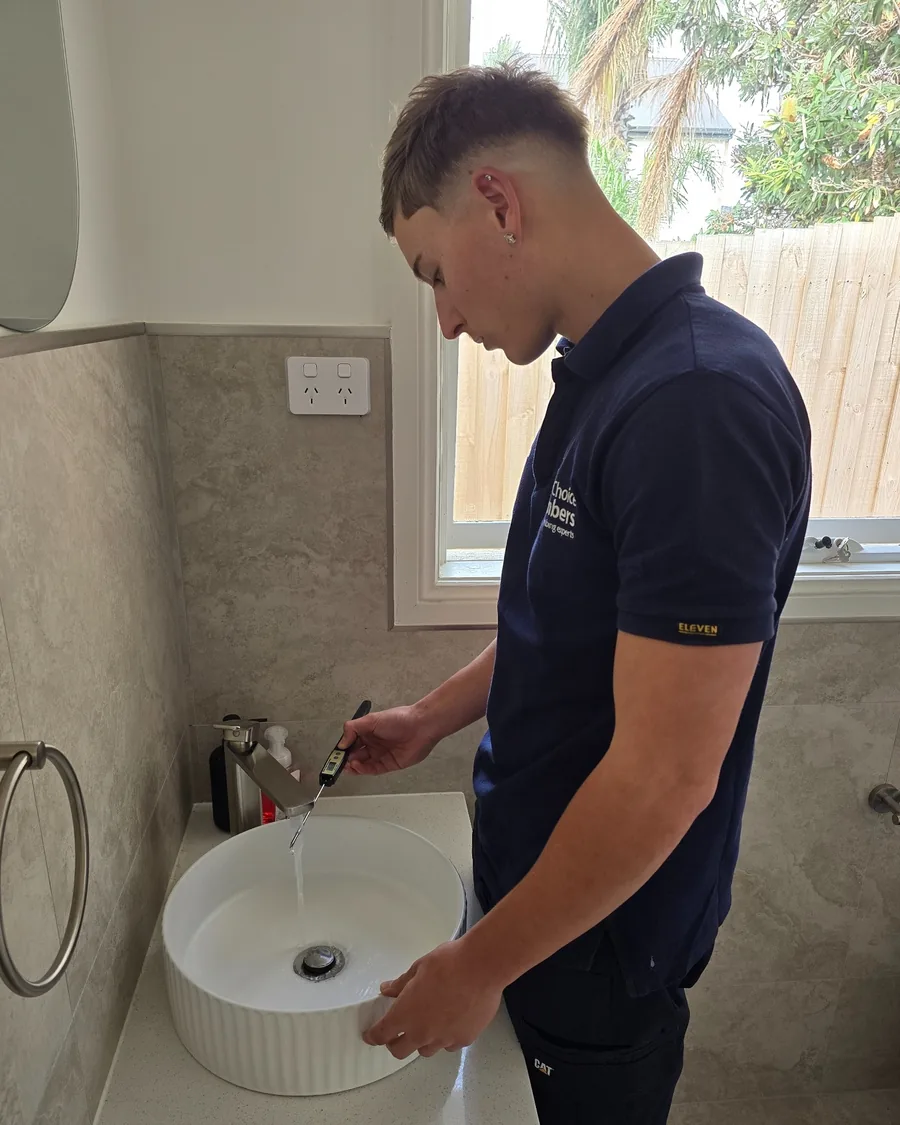
A safe hot water system must balance two important jobs: storing water hot enough for system hygiene and delivering it at a safe temperature for everyday use at bathroom fixtures. If hot water is too hot, not hot enough, or unstable, the problem may be in the tempering valve, thermostatic mixing valve, or the wider hot water control arrangement.
This is not only a comfort issue. It is also a safety and compliance issue, especially in homes with children, elderly residents, or bathrooms being used every day without anyone realising the outlet temperature is no longer being controlled properly. Safe hot water delivery matters because water that is too hot at showers, baths, and basins can create a real scald risk in daily household use.
Learn more about our tempering valve and hot water temperature control page.
Flexible Hose Flood Prevention
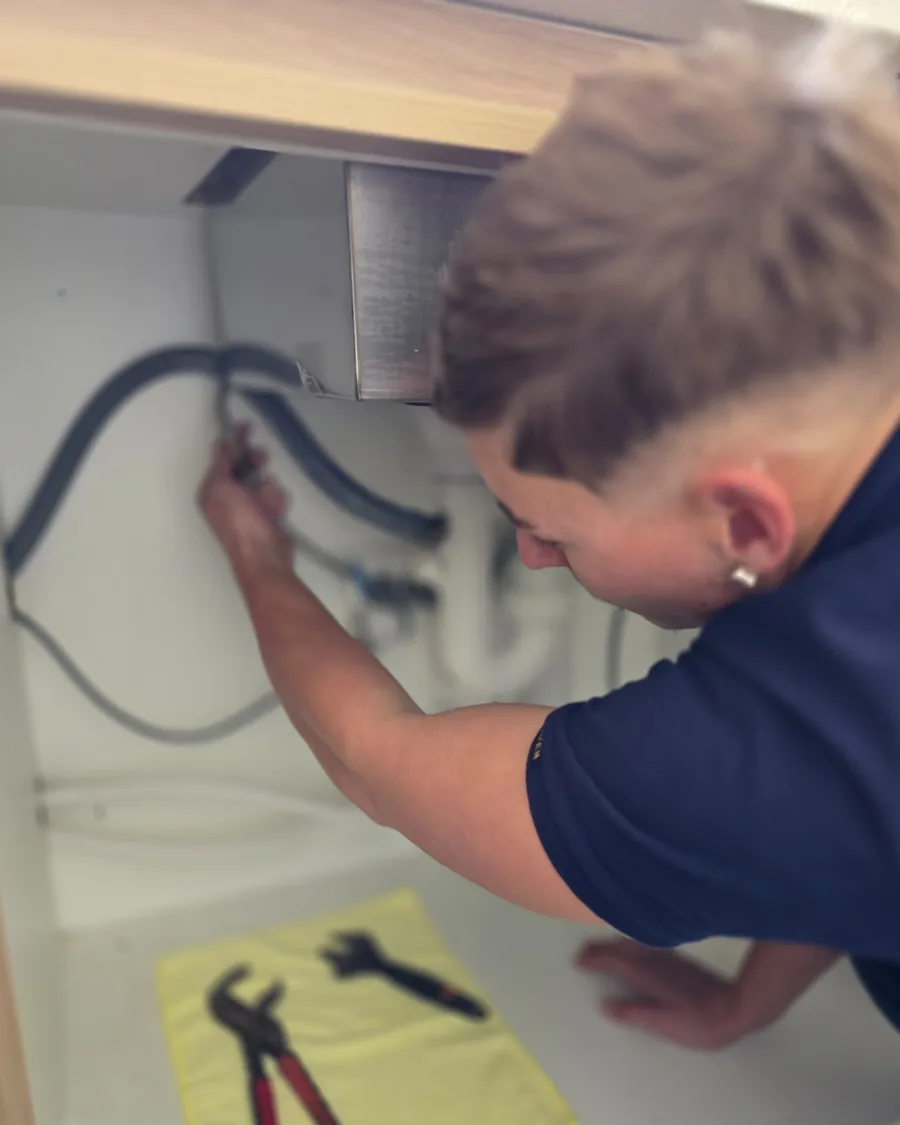
Flexible braided hoses are one of the biggest hidden flood risks in residential plumbing. They are often tucked away under sinks, behind toilets, inside vanities, and behind appliances, where they are rarely inspected until they start leaking or fail completely.
When a hose bursts, it can release water continuously until the water is shut off. That is why flexi hose inspection and replacement is one of the most practical flood prevention steps homeowners can take.
Learn more about our flexible hose replacement safety check page.
What Our Prevention Approach Actually Looks For
Depending on the plumbing visit and what is accessible, we commonly assess:
- water pressure at the meter
- hot water delivery temperature at relevant fixtures
- visible flexible hose condition
- isolation valves and mini stops
- signs of moisture, corrosion, or wear around fittings
- evidence of ageing control valves or unsafe plumbing conditions
- whether a visible repair issue may actually be part of a wider system problem
Where appropriate, this process is also supported by documented reporting. Homeowners may receive an initial findings report outlining visible risks identified during the inspection, and where necessary rectification work is completed, a completion or compliance report confirming what was addressed. This gives the owner more than verbal advice — it creates a clearer maintenance record and stronger evidence that reasonable duty of care has been taken.
That reporting can also be useful from a homeowner records point of view, particularly where the owner wants documented evidence of what was identified, what was rectified, and what preventative steps were taken to reduce visible flood and compliance risks over time.
For homeowners who want a clearer understanding of this process, our Flood Prevention & Compliance Check explainer page shows exactly what is included and why it matters.
Real Melbourne Examples of Hidden Risks We Commonly Find
Prevention matters because the hidden risks are real.
In a Glen Iris burst copper pipe callout, we uncovered multiple rusty flexi hoses throughout the home and water pressure of 920 kPa. The immediate visible issue was only the beginning.
In a Brighton hot water complaint, the issue turned out not to be a failed heater at all, but an ageing tempering valve that was no longer delivering the correct bathroom temperature.
In other homes, what began as a leaking tap replacement, noisy pipes, or a leaking toilet callout exposed broader pressure issues, failing valves, or flood risks the homeowner had no reason to suspect.
This is why we do not separate “repair” and “protection” as if they are unrelated. In many real homes, the repair is what reveals the hidden risk.
Why Prevention Protects More Than Just the Plumbing
Preventative plumbing is not just about avoiding future callouts. It helps protect:
- cabinetry
- flooring
- walls and ceilings
- appliances
- fixtures and fittings
- hot water performance
- bathroom safety
- maintenance records
- long-term property planning
A preventable plumbing failure is never just about the failed part. It is about what that part can damage around it. A burst hose can flood cabinetry and flooring. Excessive pressure can shorten the life of multiple fixtures at once. Unsafe hot water delivery can create daily risk without the homeowner realising it, especially where bathroom water temperatures are no longer being controlled safely.
Prevention can also support homeowners from a property-management point of view. When visible risks are checked, documented, and — where needed — rectified properly, the owner has a stronger record of the maintenance steps taken to reduce preventable plumbing and flood risks. That can be useful for long-term property care, future maintenance decisions, and where relevant, demonstrating that reasonable steps were taken to avoid avoidable damage.
When viewed properly, plumbing prevention is really property protection.
Explore the Main Prevention Paths for Your Home
- Pressure limiting valves and pressure control
- Tempering valves and hot water temperature control
- Flexible hose replacement and flood prevention
- Flood Prevention & Compliance Check explained
- Property Protection Offer
The Your Choice Plumbers Prevention Philosophy
We understand that for most homeowners, the family home is one of their biggest investments. That is why we focus on helping clients understand real plumbing risks clearly and early enough to do something useful about them before they turn into avoidable damage.
That is why prevention is built into how we work. If we see a compliance issue and don’t educate the client, we are failing our duty.
For us, good plumbing service is not only about fixing the obvious issue. It is about helping the homeowner understand what else may be putting the property at risk, what is urgent, what is preventative, and what can be planned sensibly over time.
That is also why our prevention process is supported by documentation where appropriate. Findings are not just discussed — they can be recorded clearly so the homeowner has a better maintenance history and a clearer record of what was identified and what was completed.
That is part of what it means to be Melbourne’s Home Plumbing Experts.
Protect Your Home Before the Next Plumbing Problem Starts
You should not have to wait for a flood, burst hose, unsafe hot water event, or repeated valve failure before finding out something in the plumbing system was already at risk.
Whether you want to understand your home’s biggest hidden plumbing risks, book a plumbing visit, or learn more about the prevention checks we include, Your Choice Plumbers can help you take the next practical step.