

Melbourne’s Trusted
Home Plumbing Experts
Leaking Toilet Repairs Melbourne


Sam & Natasha
Founders, Your Choice Plumbers
 VBA Licensed Insured
 Master Plumbers Member
 Fixed Upfront Pricing
 Local Family Owned
Sam & Natasha
Founder, Your Choice Plumbers
What Type of Leaking Toilet Problem Do You Have?


Leaking Toilet Repairs Work in Melbourne
Leaking Toilet Repairs Melbourne
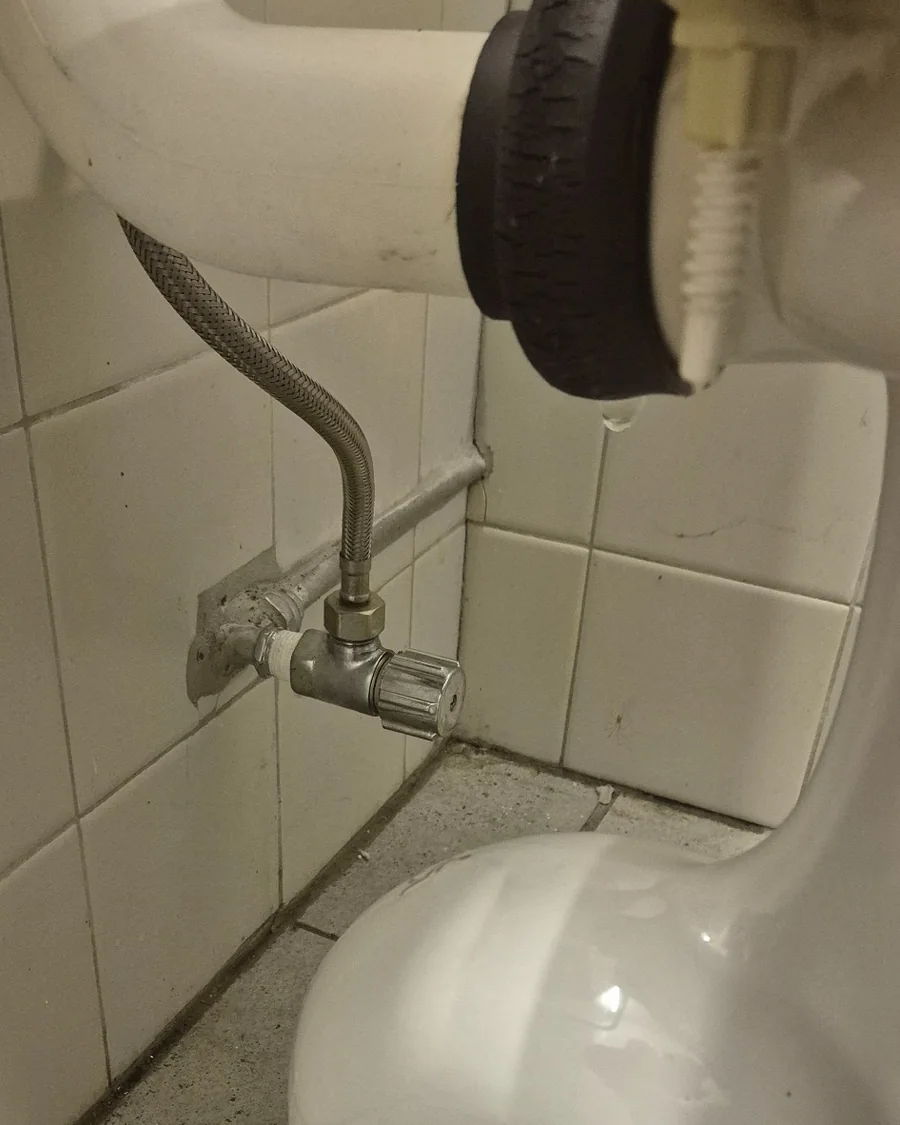
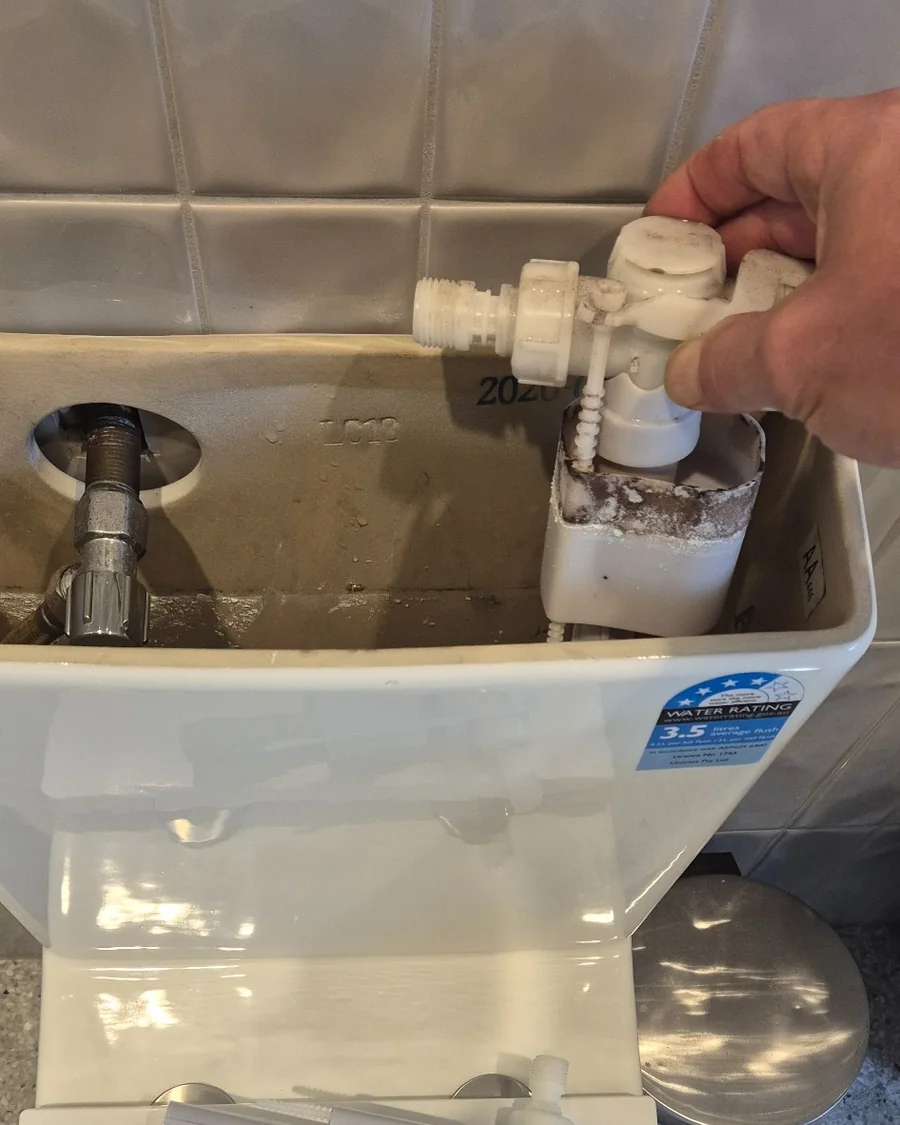
If your toilet is leaking, running, not refilling properly, or leaking onto the floor, it is best to have it checked quickly. At Your Choice Plumbers, we provide professional leaking toilet repairs Melbourne homeowners can trust, with proper diagnosis of cistern faults, floor leaks, concealed toilet issues, and worn internal components so the problem is fixed properly, not guessed.
Who fixes leaking toilets in Melbourne?
A licensed plumber experienced with cistern repairs, toilet floor leaks, and concealed toilet faults should assess it. That is especially important when the leak is intermittent, hidden, or affecting flooring.
Can a leaking toilet waste a lot of water?
Yes. Even a slow toilet leak into the bowl can waste a surprising amount of water over time and quietly increase your water bill.
What should I do if my toilet keeps leaking into the bowl?
If the water keeps running into the bowl, try isolating the toilet if you can safely access the shut-off valve. A continuous internal leak can waste a surprising amount of water and lead to a high water bill from a leaking toilet.
Is a leaking toilet an emergency plumber job?
It can be. A toilet leaking onto the floor, overflowing, or wasting large amounts of water should be treated urgently, especially if it is affecting flooring, cabinetry, or nearby rooms.
I need a leaking toilet plumber near me — what should I do?
Stop using the toilet if water is leaking onto the floor or around the base, then arrange a plumber to inspect it. Your Choice Plumbers can diagnose whether it is a cistern issue, connector fault, concealed leak, or a toilet leaking at base Melbourne scenario.
What do I do if my back-to-wall toilet leaks when I flush?
Do not assume the water is coming from where it appears. Back-to-wall toilet leaks often track underneath the pan and show up at grout lines or silicone edges, which is why proper access and inspection matter.
Can you fix a leaking toilet the same day?
In many cases, yes. Common faults like faulty inlet valves, worn outlet valves, standard cistern components, or visible toilet leak repair Melbourne issues can often be repaired the same day depending on the toilet type and part availability.
5-Star Trust: What Our Local Customers Say About Sam, Natasha & The Team
Leaking Toilet Problems We Diagnose and Repair

Toilet Running Into the Bowl
This is one of the most common leaking toilet issues we see, especially in older cisterns and concealed systems. What seems like a minor trickle is often an active outlet valve or internal cistern fault that can waste water all day.
What you’re experiencing
If your toilet keeps running into the bowl, refills every hour or two, or never seems to shut off properly after flushing, there is usually an internal cistern fault causing ongoing water loss. This is one of the most common reasons homeowners search for running toilet repair, and it often starts as a slow leak before becoming constant. In practical terms, this is the classic toilet leaking into bowl problem that quietly pushes up water use even though nothing is leaking onto the floor.
Likely causes
The most common causes are a faulty outlet valve, a worn seal, an inlet valve continuing to refill unnecessarily, or internal component wear inside an older cistern. In some homes, high water pressure can also shorten the life of these components by putting constant stress on seals and moving parts. Older toilets with worn plastic internals or ageing rubber washers are especially prone to a toilet keeps running after flush issue.
What we typically find on-site
In Kew, we repaired an older toilet that had both a worn inlet valve and a faulty outlet valve, which was causing continuous leakage into the bowl. In Glen Iris, an in-wall Caroma cistern had a broken outlet valve assembly that kept the toilet in a constant refill-and-discharge cycle. We also commonly find that homeowners assume the inlet valve is the only problem, when the real issue is the outlet side not sealing properly and allowing water to pass straight into the pan. On older Melbourne toilets, we often find multiple worn internals at once, which is why proper diagnosis matters before any parts are changed.
Quick check
Lift the lid if it is a visible cistern and listen after flushing. If water is still running into the bowl once the cistern should have shut off, or the toilet keeps topping up on its own, there is likely an active internal leak.Why it matters
A toilet leaking into the bowl may not seem urgent because the water is staying inside the pan, but it can waste a lot of water over time and push your water bill up without you realising it. In some homes, the only sign is refill noise at night or a bill that suddenly rises for no obvious reason.What happens if ignored
What starts as a slow internal leak often becomes a constant one. You can end up with higher water bills, more frequent refill noise at night, premature wear on other components, and eventually a toilet that no longer flushes or shuts off reliably. Left too long, a running toilet wasting water Melbourne homeowners ignore can become one of those hidden costs that keeps compounding month after month. If your toilet keeps running after each flush or you can hear it refilling long after use, it is best to get it checked before more water is wasted and the repair becomes more involved.
Toilet Leaking on the Floor
We get called to this problem all the time, and the leak is often not coming from where the water first appears. What seems like a loose silicone edge is frequently a failed connector, pan collar, or concealed discharge seal underneath the toilet.
What you’re experiencing
If water is appearing around the base of the toilet, creeping through grout lines, or showing up on the floor only when you flush, the leak is often coming from a concealed connection rather than from where the water first appears. This is a very common toilet leaking at base scenario. Some homeowners describe it as a toilet leaking on floor issue, while others notice a damp patch, a bad smell, or water only appearing after a full flush.
Likely causes
Common causes include a failed toilet connector, perished pan collar rubber, worn flush pipe seals, loose or deteriorated sealing points, or movement in older toilet installations. With back-to-wall toilets, the leak path can be hidden under the pan and silicone. On older suites, especially where seals have hardened with age, we sometimes find more than one failure point at once. A toilet pan collar leak issue can also mimic a floor leak from the outside. If the issue turns out to be a blocked or poorly draining discharge line rather than a true seal failure, our blocked toilet Melbourne service can help identify the deeper cause.
What we typically find on-site
In McKinnon, a Caroma Luna back-to-wall toilet suite was leaking onto the floor through grout joints when flushed, but the real problem was a failed connector seal hidden underneath the toilet. In Mulgrave, a leaking toilet had two failed sealing points at once — the pan collar rubber and flush pipe cone rubber — which made replacement the better long-term option. These real jobs show why visible water on the floor does not always mean a simple surface leak. We also see toilets where wastewater tracks beneath the pan and only appears once it escapes through a weak point in the silicone or grout line.
Quick check
Dry the floor completely, then flush once and watch where the water appears first. If it only happens during flushing and the water tracks out from the base area, the fault is usually in the discharge or connector side of the toilet rather than a constant supply leak.Why it matters:
A toilet leaking on the floor can damage tiles, underlay, cabinetry, skirting, and subfloor materials. It can also create hygiene issues if wastewater is escaping from the discharge side. In timber subfloors or upstairs bathrooms, moisture can spread further than expected before it becomes obvious.What happens if ignored
The leak often spreads further than expected. Floor damage can worsen, hidden moisture can build up under the toilet, grout and finishes can deteriorate, and the problem can become more expensive if the surrounding area is affected. What starts as “just a bit of water” can end up turning into hidden floor deterioration, unpleasant odours, or damage to adjoining rooms. If water is appearing around the base of the toilet when you flush, stop assuming it is minor — concealed toilet leaks are often worse underneath than they look from outside.
Toilet Not Filling Properly
We see this often on toilets that work on and off before failing completely. What seems like a flushing problem is usually a refill-side fault, and in some Melbourne homes high pressure is helping wear the parts out faster.
What you’re experiencing
If the toilet flushes but the cistern does not refill properly, fills very slowly, or works sometimes and then stops, the issue is usually with the refill side of the cistern rather than the flush itself. This is a common reason people search for toilet cistern repair or toilet not flushing properly. Homeowners often notice they need to manually wait between flushes or that the toilet works one moment and then fails the next.
Likely causes
Typical causes include a faulty inlet valve, restricted supply through the isolation valve, worn internal parts, or pressure-related wear that is affecting how the cistern refills after each flush. Sometimes the mini stop is fine and the real problem sits entirely inside the cistern. In other homes, excessive pressure above 500 kPa can shorten the life of inlet valves and contribute to repeated failures.What we typically find on-site
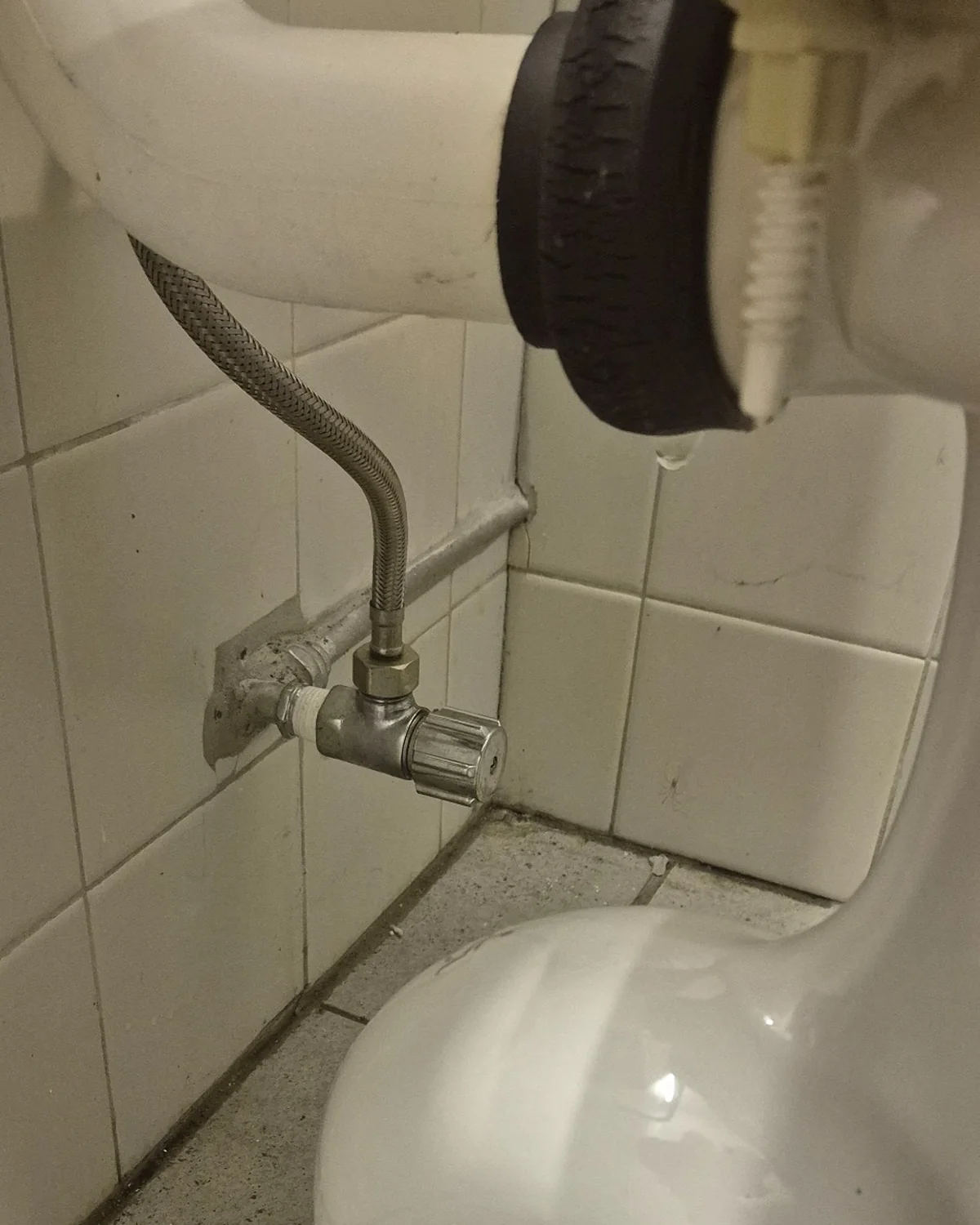
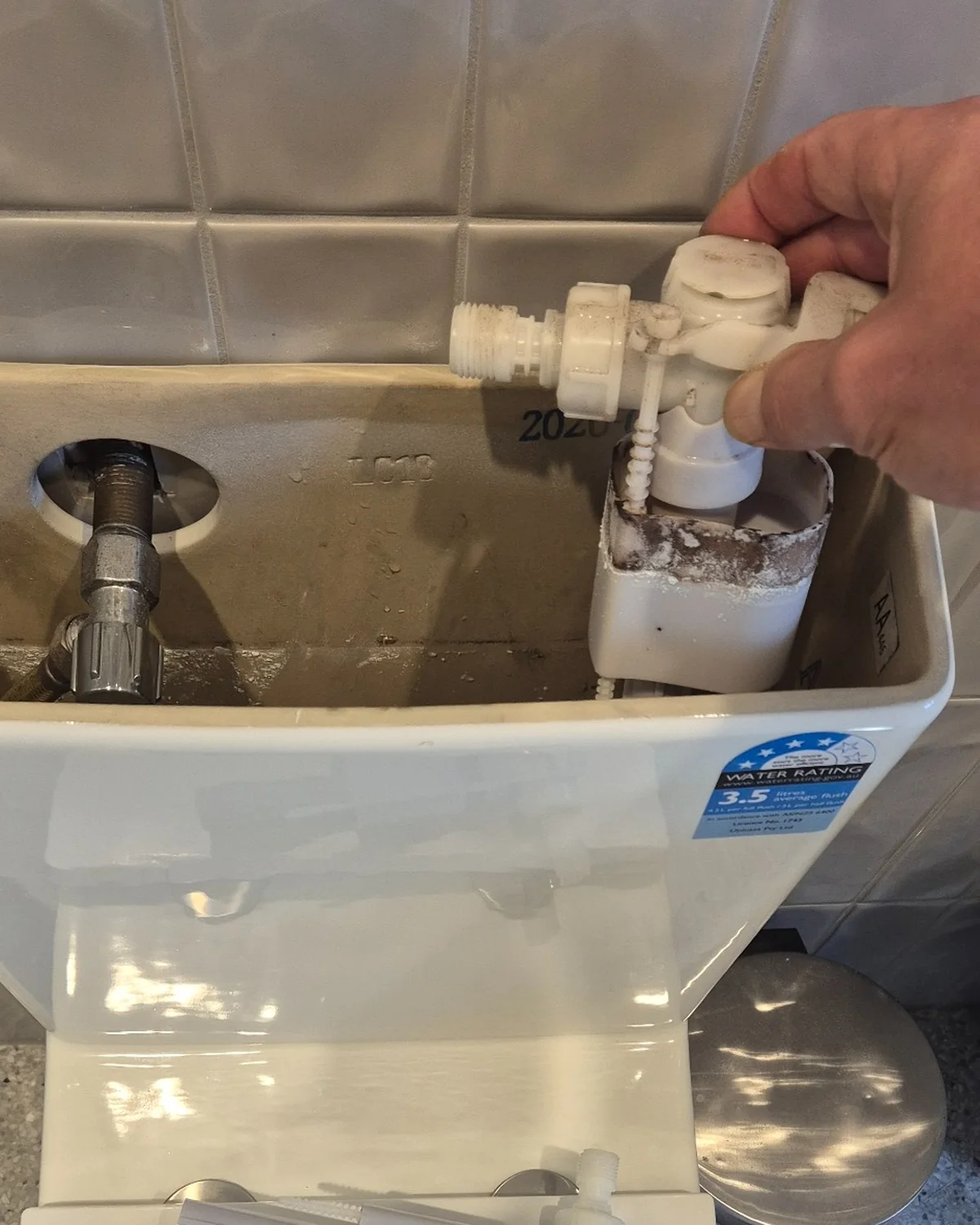
In Clayton, we attended a toilet that had been refilling on and off for some time before it stopped altogether. After testing the mini stop and flexible hose, we confirmed the external supply was fine and the real fault was the inlet valve inside the cistern. We replaced the bottom inlet valve, adjusted the water level correctly, and also found excessive water pressure at the meter, which led to a pressure regulating valve upgrade to protect the system. This is a very real Melbourne pattern — the toilet fault gets all the attention, but the pressure issue in the wider plumbing system is what keeps shortening the life of valves and fittings.
Quick check
After flushing, listen for the refill. If little or no water enters the cistern, or it works inconsistently, the refill mechanism may be failing even if the toilet still occasionally works.Why it matters:
A toilet that does not refill properly quickly becomes unreliable and frustrating. It can also point to a bigger issue such as excessive water pressure affecting the life of plumbing components across the home.What happens if ignored
Intermittent refill faults usually become full failure. That means the toilet stops working when you need it most, and the same pressure or wear issues may continue affecting taps, hoses, and other valves in the house. If high pressure is part of the picture, ignoring it can also lead to more plumbing wear elsewhere over time. If your toilet sometimes refills and sometimes does not, that inconsistency is usually a warning sign that the inlet side is already failing and should be checked before it stops completely.
In-Wall or Concealed Toilet Leak
We get called to concealed toilet leaks all the time because homeowners cannot see the parts or easily reach the shut-off point. What seems like a mystery leak is often a failed outlet valve or hidden internal component that needs the correct service sequence to access safely.
What you’re experiencing
If the toilet is constantly leaking but you cannot see the cistern parts, or the toilet has an in-wall or concealed cistern system behind a flush plate, diagnosis is more specialised. Homeowners often feel stuck because the shut-off point and moving parts are hidden from view. This is especially common when a toilet cistern leaking problem is happening behind a wall-faced suite and the only visible sign is water running into the bowl.
Likely causes
The most common causes are a faulty outlet valve, internal seal failure, worn concealed cistern components, or service access limitations making it harder to identify the exact failed part without proper disassembly. In concealed systems, a small failed plastic retaining point or seal movement can create a major ongoing leak.What we typically find on-site
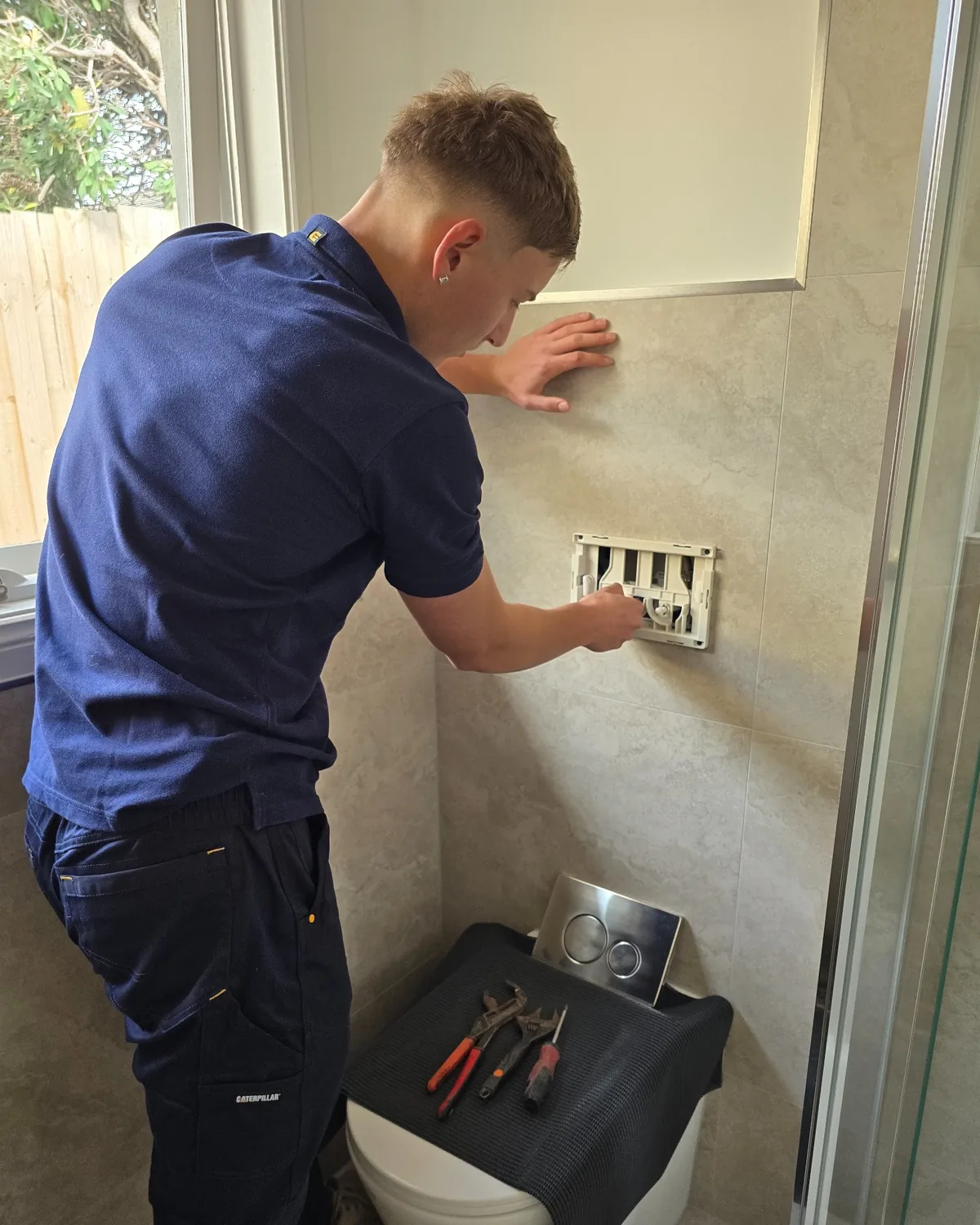
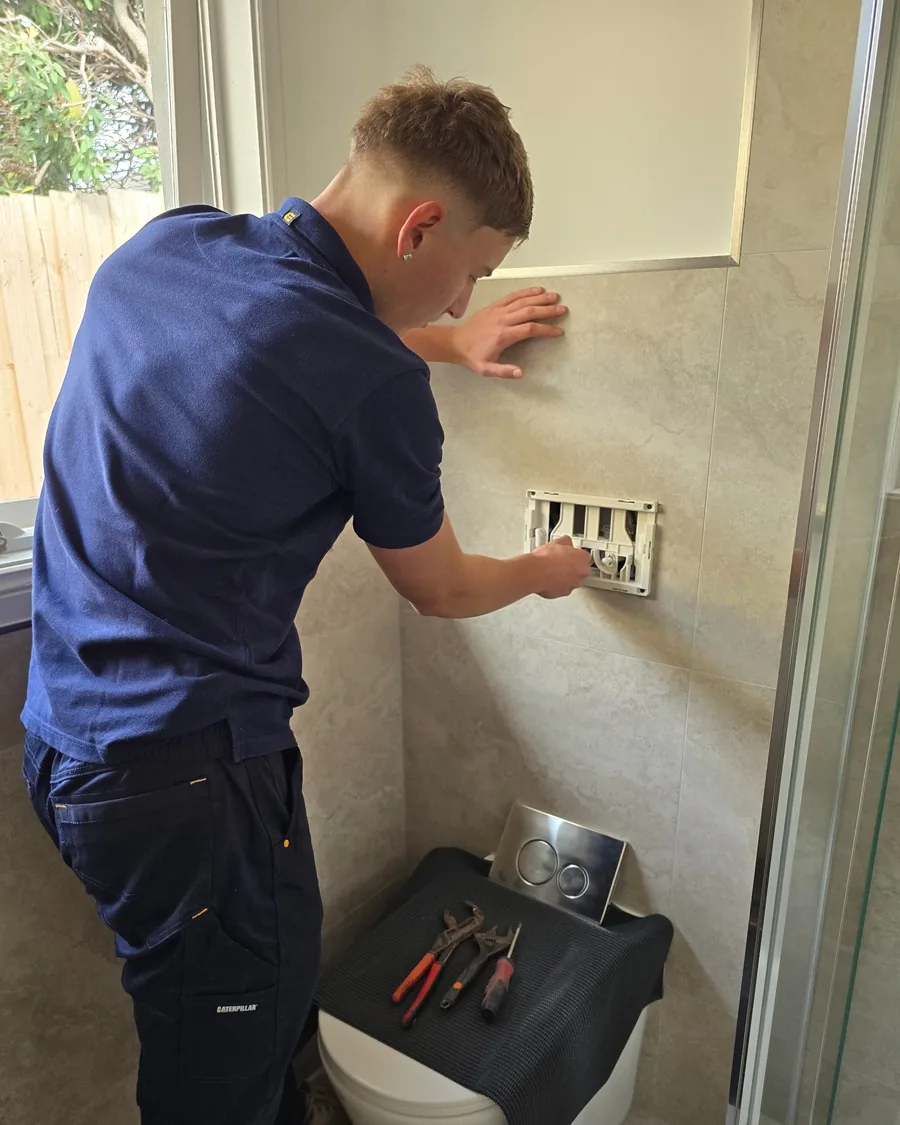
In Glen Iris, the outlet valve inside a Caroma in-wall cistern had failed because the plastic holder retaining the seat washer had snapped. That allowed water to pass constantly into the bowl. The owners were also unsure how to isolate the toilet because the shut-off valve was hidden behind the flush plate access opening. This is exactly why concealed cistern and in-wall toilet leaks need proper servicing knowledge rather than guesswork. These systems often have limited access openings, and the internal parts need to be removed in the right order to avoid damage and confirm the fault accurately.
Quick check
If you have a wall-faced or concealed cistern toilet and the bowl is continuously filling, look for the model details if visible and avoid forcing access panels or guessing at the shut-off point. If there is a flush plate, it may hide the service cavity, but access should be handled carefully.Why it matters:
Concealed toilet leaks can waste significant water and create extra stress because the components are not easy to reach. A poor-quality repair or incorrect disassembly can also create further issues, including damaged clips, broken internals, or incomplete repairs.What happens if ignored
Water waste continues, internal parts can wear further, and homeowners often end up frustrated because the problem feels hidden and harder to control than a standard cistern leak. In some cases, the longer it is left, the more likely it becomes that additional components will need replacement rather than a simpler targeted repair. If your in-wall or concealed cistern toilet is leaking and you cannot access the parts safely, it is best to have it diagnosed properly before more water is lost.What Causes a Leaking Toilet?
Worn Internal Cistern Parts
Inlet valves and outlet valves wear out over time, especially in older toilets. This often leads to a toilet leaking into bowl problem, constant refill noise, or unreliable flushing. In many Melbourne homes, ageing rubber seals and plastic internal components gradually lose sealing performance long before the toilet stops working completely.
Failed Connector or Pan Seals
If water appears on the floor when the toilet is flushed, the issue is often a failed connector, pan collar, or flush pipe seal rather than a simple surface leak. This is common with older toilets and back-to-wall suites where the leak path is hidden. In these cases, what looks like a silicone issue is often a concealed discharge fault underneath the pan.
Excessive Water Pressure
High water pressure can shorten the life of toilet valves and other plumbing components. We found this in the Clayton case study, where the repair solved the immediate refill fault but a pressure regulating valve was also needed to better protect the home. You can learn more about pressure limiting valve installation.
Age, Wear, and Older Toilet Designs
Some older toilets are still worth repairing, while others reach the point where replacement becomes the smarter long-term option. In Kew, targeted internal repairs made sense because the owners planned a future renovation. In Mulgrave, two failed seals and the age of the suite made replacement the better solution.
Our Leaking Toilet Repair Process
Step 1 — Diagnose the Actual Leak Source
We inspect the symptoms, test how the toilet behaves, and work out whether the problem is in the cistern, supply side, discharge side, or concealed connection points. This is the step that stops misdiagnosis and helps us distinguish between a simple toilet repair and a bigger issue affecting the bathroom or wider plumbing system.
Step 2 — Confirm the Fault Properly
Where needed, we isolate the toilet, remove components, test supply valves, inspect internal parts, or disconnect the suite to inspect hidden connections underneath. We only recommend the repair once the cause is clear.
Step 3 — Repair or Replace the Right Components
That may involve replacing an inlet valve, outlet valve, connector, flexible hose, or worn sealing components. If the toilet is beyond sensible repair, we explain the upgrade options clearly and tell you when replacement is the better long-term decision.
Step 4 — Test the Toilet and Check the Wider Plumbing Risk
We test fill, flush, shut-off, and leak performance properly before finishing. Where relevant, we also check water pressure and other property protection risks to help prevent repeat problems. This is especially important where high pressure has contributed to premature failure of toilet internals.
Step 5 — Leave You With Clear Advice
You will know what failed, what was repaired, and whether there is anything else worth addressing to protect the plumbing system over the long term. That may include advice on pressure control, ageing flexible hoses, or whether the suite is nearing the point where replacement makes more sense than ongoing repairs.
Leaking Toilet Repairs Melbourne – Real Case Studies & Results from Sam, Natasha & The Team
Clayton VIC 3168 – Toilet Not Refilling Caused by Faulty Inlet Valve
A homeowner in Clayton had a toilet that would refill sometimes and then stop altogether. After testing the mini stop and confirming the external water supply was fine, we traced the problem to a failed inlet valve inside the cistern.
We replaced the bottom inlet valve, adjusted the water level correctly, and restored normal refill operation. During the job, we also found excessive water pressure and installed a pressure regulating valve to better protect the plumbing system.
Outcome: toilet refilling restored, pressure issue identified, and long-term system protection improved.
Learn More: Faulty toilet inlet valve repair in Clayton
McKinnon VIC 3204 – Floor Leak Traced to Failed Toilet Connector
The owners in McKinnon noticed water leaking onto the floor around a back-to-wall toilet whenever it was flushed. Because the connections were concealed and the base was siliconed, the leak path was hidden and could not be confirmed from outside alone.
We removed the toilet, inspected underneath, and found the connector seal had perished. A new Caroma Uni-Orbital connector was installed and the toilet was reinstalled and tested.
Outcome: concealed floor leak properly diagnosed, connector replaced, and no further leak when flushed.
Learn More: Back-to-wall toilet floor leak repair in McKinnon
Glen Iris VIC 3146 – In-Wall Cistern Outlet Valve Leak
A concealed in-wall cistern in Glen Iris was leaking heavily into the bowl, and the owners were stressed because they could not easily isolate the toilet.
We accessed the cistern through the flush plate opening, removed the internal components in the correct order, and found the outlet valve assembly had failed. A new Caroma outlet valve assembly restored normal shut-off and stopped the continuous water loss.
Outcome: concealed cistern leak eliminated, toilet restored, and owners shown how to isolate the system in future.
Learn More: In-wall cistern outlet valve leak repair in Glen Iris
Kew VIC 3101 – Internal Cistern Leak Fixed Without Full Replacement
A homeowner in Kew had an older toilet leaking continuously into the bowl and was unsure whether repair or replacement made more sense.
After inspection, we found both the inlet valve and outlet valve were faulty. We carried out a targeted internal repair using a new outlet valve, inlet valve, and flexible hose connection, allowing the existing suite to keep working until the planned renovation.
Outcome: water waste stopped, toilet restored, and the owner avoided premature replacement.
Learn More: Internal cistern leak repair in Kew
Mulgrave VIC 3170 – Older Leaking Toilet Replaced After Multiple Seal Failures
At a property in Mulgrave, water was pooling around the base of an older toilet. Inspection showed two failed sealing points — the pan collar rubber and the flush pipe cone rubber.
Because of the age and condition of the suite, replacement was the better long-term option. A new Caroma Luna Cleanflush wall-faced toilet was installed using the existing suitable plumbing layout.
Outcome: recurring leaks resolved, toilet upgraded, and the owners received a longer-term solution instead of a short-term patch.
Learn More: New toilet installation in Mulgrave
Licensed, Compliant Leaking Toilet Repairs
When you book Your Choice Plumbers, your toilet repair is carried out by licensed professionals who focus on proper diagnosis, safe workmanship, and long-term reliability. Where the work requires it, we complete repairs in line with the relevant plumbing standards and manufacturer requirements.
Why Compliance Matters
A toilet repair is not just about stopping visible water. It is about making sure the internal components are set correctly, the connections seal properly, and the wider plumbing conditions are not damaging the repair. That matters whether the job is a simple toilet leak repair Melbourne callout or a more complex concealed cistern repair.
Water Pressure Checks Help Protect the Repair
Where relevant, we check whether excessive pressure is contributing to early valve failure. Pressure above the 500 kPa limit referenced under AS/NZS 3500 can shorten the life of toilet components and other fixtures throughout the home. This is one of the biggest hidden causes of repeated plumbing wear we find in Melbourne homes.
Clear Advice, Quality Parts, and Workmanship
We use quality replacement parts where appropriate, explain whether repair or replacement makes more sense, and focus on workmanship that solves the problem properly rather than creating repeat call-backs. Where the broader plumbing system also needs attention, we explain that clearly so you understand both the repair and the prevention side.
Complimentary Property Protection Audit
Every completed plumbing job with Your Choice Plumbers includes our Complimentary Property Protection Audit to help protect your home from preventable water damage and compliance risks. As part of this process, we check for key issues that many homeowners never realise are putting their property at risk, including:
- excessive water pressure above 500 kPa, which can stress taps, mixers, valves, appliances, and pipework
- flexible braided hoses that may be rusted, swollen, poorly supported, or approaching failure
- hot water temperature risks, including scalding concerns where household delivery temperatures are not properly controlled
- visible signs of ageing plumbing components that may fail unexpectedly

This is especially important on everyday home plumbing visits, because repeated fixture failures, hot water issues, leaks, and valve problems can sometimes point to broader pressure or plumbing system stress.
Related Plumbing Services
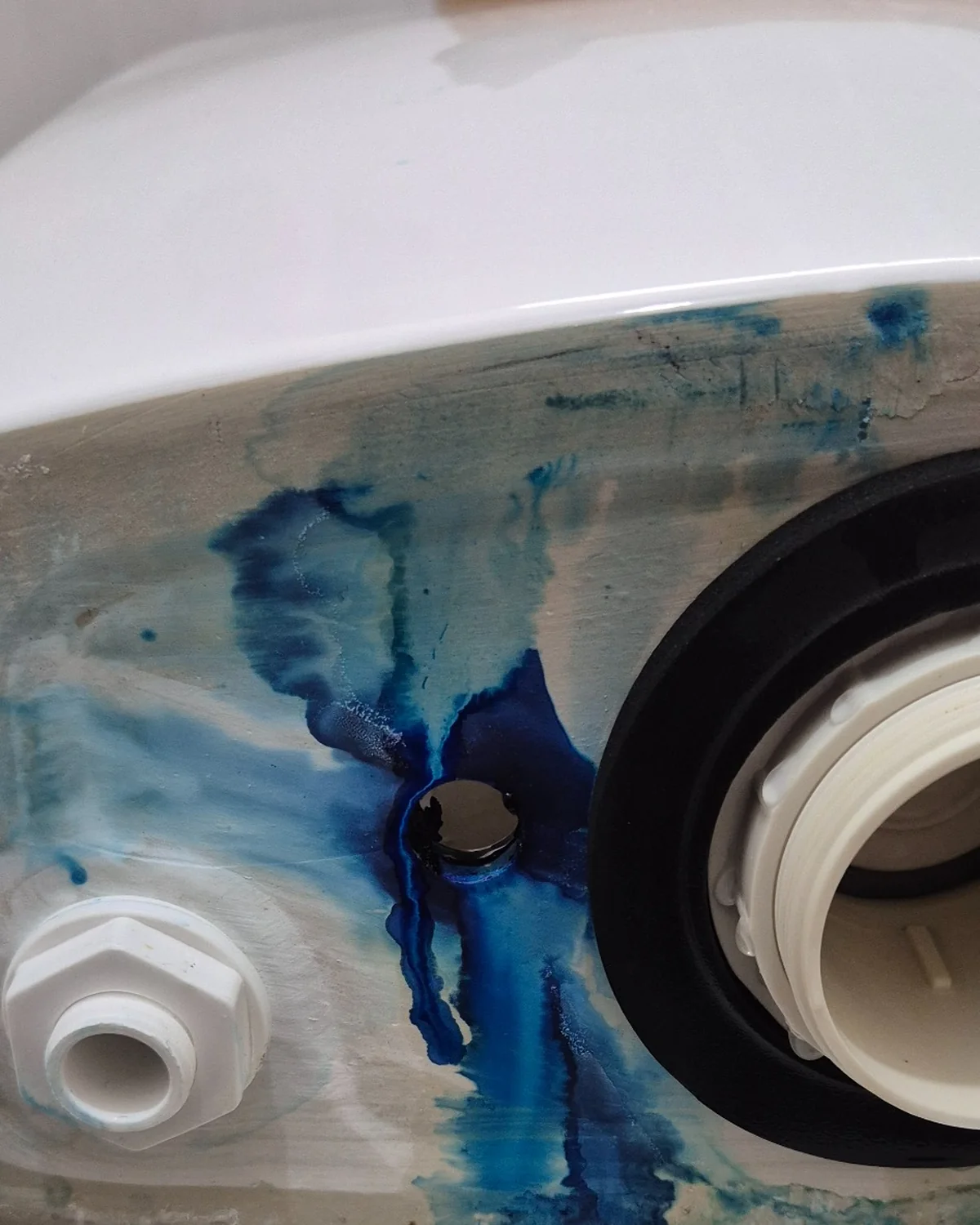
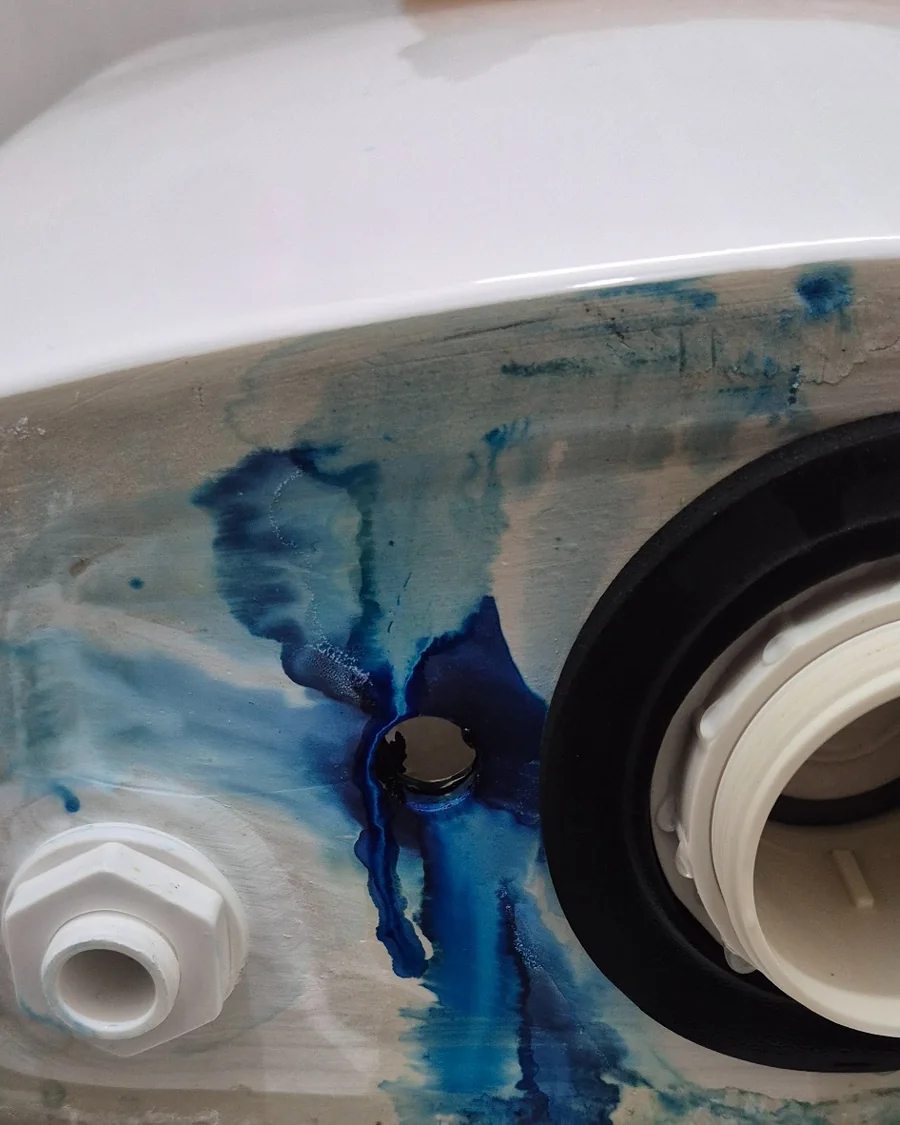
A leaking toilet can sometimes be part of a wider plumbing problem, especially if you are also dealing with hidden water loss, pressure-related wear, or other bathroom issues. If the toilet leak has caused concern about water escaping elsewhere in the home, our water leak detection Melbourne service can help identify hidden plumbing leaks.
If the issue turns out to be a toilet blockage rather than a true leak, see our blocked toilet Melbourne page. If you are also dealing with leaking fittings nearby, our leaking tap repairs Melbourne and leaking shower services may also be relevant.
Where high pressure, worn valves, or broader home plumbing risks are part of the picture, you can also learn more through our Property Protection Offer.
Service Areas Across Melbourne
We provide professional leaking toilet repairs Melbourne homeowners can trust across Melbourne, including:
 Plumber Bentleigh
Leaking Toilet Repairs Melbourne FAQs
How do I know if I need leaking toilet repairs or a full replacement?
If the suite is structurally sound and the fault is limited to internal parts or connectors, repair is often the better option. If the toilet has multiple failing components, recurring leaks, or is very old, replacement may be the smarter long-term choice.
Can a leaking toilet cause a high water bill?
Yes. A toilet leaking continuously into the bowl can waste a surprising amount of water over time, especially if the problem is slow and goes unnoticed for weeks. This is one of the most common answers to “can a leaking toilet cause a high water bill?”
What is the most common cause of a toilet leaking into the bowl?
A faulty outlet valve is one of the most common causes, although worn inlet valves and other internal cistern components can also contribute to the toilet constantly refilling.
Why is my toilet leaking at the base?
A toilet leaking at the base is often caused by a failed connector, pan collar seal, flush pipe seal, or another concealed discharge-side fault. The water may show up around the base, but the actual failure point is often hidden underneath the toilet.
Why is my toilet leaking on the floor only when I flush?
That usually points to a discharge-side issue such as a failed connector, pan seal, or flush pipe seal. Back-to-wall toilets are especially difficult because the leak path is often concealed.
Can a plumber fix a leaking toilet cistern?
Yes. Many cistern leaks are caused by worn inlet valves, faulty outlet valves, failed seals, or worn internal components that can be repaired without replacing the whole toilet.
Can I fix a leaking toilet myself?
Simple checks like isolating the water or observing where the leak appears are fine, but many toilet leaks are misdiagnosed without proper inspection. Hidden floor leaks and concealed cistern systems usually need professional diagnosis.
Who fixes leaking toilets in Melbourne?
A licensed plumber experienced in cistern repairs, toilet floor leaks, concealed toilet faults, and connector failures should diagnose and repair a leaking toilet properly.
Should I repair or replace a leaking toilet?
It depends on the age of the toilet, the condition of the suite, and how many parts are failing. Some older toilets can be repaired very effectively, while others are better upgraded once multiple seals or internals have failed.
Will insurance cover damage from a leaking toilet?
That depends on your policy and the cause of the damage. Sudden damage may be treated differently from long-term undetected leaks, so it is worth checking directly with your insurer.
What happens if I ignore a leaking toilet?
The leak often worsens, water waste increases, and nearby flooring or finishes can be damaged. Internal leaks may also keep driving up your water bill without an obvious visible mess.
Book Your Leaking Toilet Repair Before a Small Leak Becomes a Bigger Problem
A leaking toilet rarely fixes itself. Whether the problem is a running cistern, water on the floor, a faulty connector, or a concealed in-wall cistern leak, the safest next step is to diagnose it properly and stop the damage or water waste before it grows.
Left too long, a leaking toilet can lead to water damage, hidden floor deterioration, wasted water, or repeated breakdowns from the same underlying fault.