

Melbourne’s Trusted
Home Plumbing Experts
Blocked Toilet Plumber Melbourne
We don’t just unblock toilets — we diagnose why it’s happening and fix it properly so it doesn’t keep coming back.

 VBA Licensed Insured
 Master Plumbers Member
 Fixed Upfront Pricing
 Local Family Owned

Sam & Natasha
Founders, Your Choice Plumbers
Melbourne’s Trusted
Home Plumbing Experts
Blocked Toilet Plumber Melbourne
We don’t just unblock toilets — we diagnose why it’s happening and fix it properly so it doesn’t keep coming back.

Sam & Natasha
Founders, Your Choice Plumbers
VBA Licensed Insured
Master Plumbers Member
Fixed Upfront Pricing
Local Family Owned
What Type of Blocked Toilet Problem Do You Have?


Blocked Toilet Repair Work in Melbourne
5-Star Trust: What Our Local Customers Say About Sam, Natasha & The Team
Blocked Toilet Plumber Melbourne
If your toilet is blocked, overflowing, or won’t flush properly, stop flushing it again and get it checked straight away. A blocked toilet is an emergency for any household because it can overflow, become unusable, and may point to a larger sewer issue. Your Choice Plumbers provides urgent blocked toilet Melbourne help, dispatching the next available plumber, with practical diagnosis, clean workmanship, and the right equipment to clear the blockage safely. We focus on identifying whether the issue is a simple blockage or part of a larger drain problem so it can be resolved properly the first time.
What should I do if my toilet is blocked and won’t flush?
Do not keep flushing it. If the water is rising, stop immediately, keep people out of that bathroom, and get it checked before it overflows onto the floor.
Who fixes blocked toilets in Melbourne?
A licensed plumber with the right toilet unblocking and drain investigation tools should handle it, especially if the problem is recurring, overflowing, or affecting nearby fixtures.
Do I need a plumber for a blocked toilet?
Yes, especially if the toilet is near overflow, keeps blocking, or is affecting other drains. What seems like a simple clog can be a branch drain defect or a bigger sewer issue.
Can a plumber unblock a badly blocked toilet the same day?
Yes, many blocked toilet repair Melbourne jobs can be resolved the same day, depending on whether the blockage is in the pan outlet, branch line, or further down the sewer.
Who do I call for an overflowing toilet in Melbourne?
Call a licensed blocked toilet plumber straight away. This is an urgent hygiene issue and should be assessed before contaminated water spreads through the bathroom.
Blocked Toilet Problems We Diagnose and Fix Across Melbourne

Toilet water rises when flushed
We get called to this problem all the time, and what seems like “just one bad flush” is often a toilet outlet blockage that gets worse because the pan is flushed again while already full. In many homes, the real issue is not panic-worthy at first — but it becomes one fast if the next flush sends contaminated water onto the floor.
What you’re experiencing
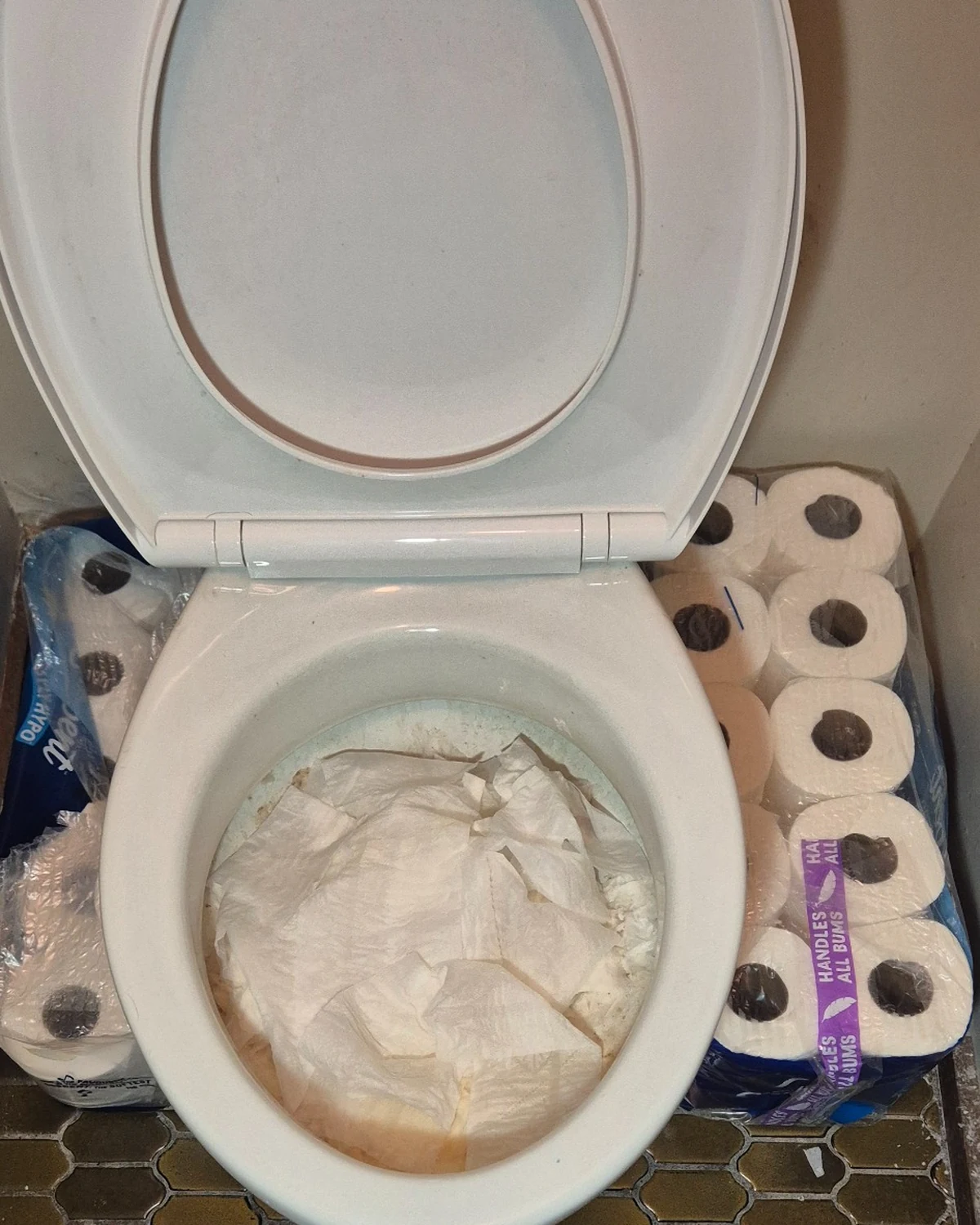
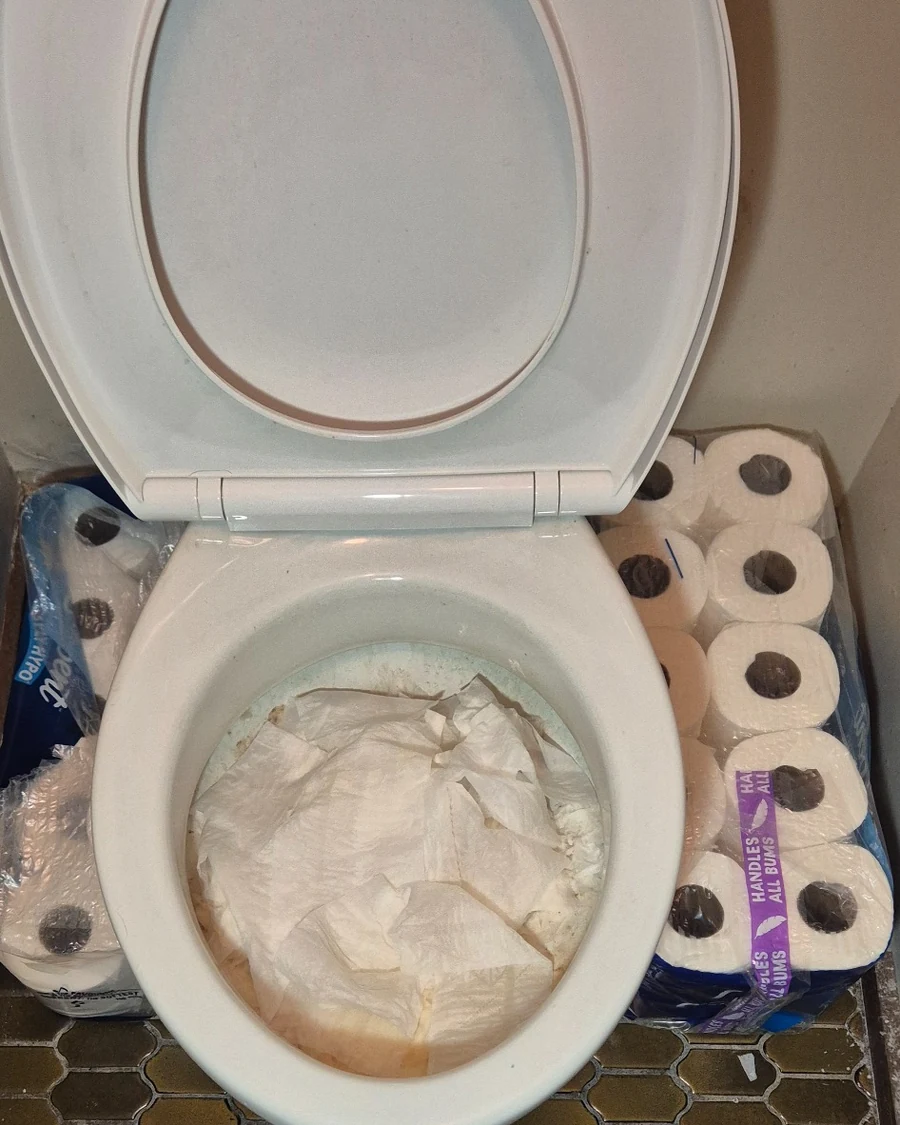
You press full flush and instead of clearing, the water rises alarmingly in the bowl. Sometimes it settles back down slowly. Other times it sits high and leaves you worried the next flush will send sewage onto the bathroom floor. This is one of the most common versions of toilet blocked and overflowing Melbourne homeowners call about, especially when the pan has filled close to the rim.
Likely causes
The most common cause is too much toilet paper or material trying to pass through a modern low-flush toilet in one go. Under Australia’s Water Efficiency Labelling and Standards (WELS) scheme, domestic toilets are commonly required to meet dual-flush performance of 6L full flush and 3L half flush. That means if excess paper is used, or the full flush button is not held down long enough to release the full flush volume, the toilet may not clear properly. This is also why many first-time blockages happen after a half flush was used when a full flush was needed.
What we typically find on-site
In many Melbourne homes, we find the toilet itself is blocked close to the outlet and the panic starts because the owner flushes again while the water is already high. We also regularly find newer toilets where the flush button is not adjusted well, or the cistern water level is not set high enough to deliver the strongest allowed flush performance. In our St Kilda case study, the owners found the toilet full right up to the rim on a first-time blockage. After safely clearing it with a Rothenberger Ropump Super Plus Force Pump, the cistern water level and both flush buttons were checked and confirmed correct, pointing to a likely one-off internal toilet blockage caused by excess paper and an incomplete flush rather than a bigger drain defect.
Quick check
If the water is already high, do not flush again. Check whether the problem started after excess paper, a rushed half flush, or someone trying to force everything through in one go.
Why it matters
A blocked toilet is an emergency for any household. Once the bowl is near the top, another flush can cause overflow onto the floor, create a hygiene issue, and leave the home without a usable toilet.
What happens if ignored
A toilet that is close to overflowing can quickly spill, especially if another family member uses it without realising there is a problem. Once contaminated water reaches flooring, grout lines, or adjacent trim, the cleanup becomes far more than “just a blocked toilet.”
If your toilet water is rising and you are one flush away from an overflow, it is best to get the next available plumber on the way before sewage ends up on the bathroom floor.

Toilet keeps blocking again
We see this often, and what seems like “bad luck” is usually a repeatable fault in the toilet setup or branch drain. If the same toilet keeps blocking while the others are fine, the cause is often local to that toilet — not random and not something another quick unblock will permanently solve.
What you’re experiencing
One toilet in the house keeps blocking, even though the other toilets are mostly fine. You may have already had it cleared once, but the same toilet keeps giving trouble with paper or normal use. This is the classic repeated blocked toilet problem Melbourne homeowners describe when they start asking why one toilet always clogs while the rest of the drains seem normal.
Likely causes
Recurring blockages often point to more than “just a clog.” The issue may be a restricted pan collar, poor toilet installation, a flush system that is not opening fully, a cracked branch drain bend allowing roots in, or a suspended drain under an upper floor that does not have the right fall. In other homes, the problem sits on a short section of 100mm toilet branch drain rather than the main sewer line, which is why only one toilet keeps blocking.
What we typically find on-site
This is where experience really matters. We often check that the cistern water level is set correctly and that the buttons are actually opening the flush valve properly. We also find some toilets installed on 40mm offset pan collars, where the toilet outlet partially sits over the offset and restricts the waste path. In double-storey homes, we also see suspended toilet drains that are too flat, poorly clipped, or not installed with the correct fall. The minimum required fall for a 100mm sewer drain is 1:60 as per AS/NZS 3500, and that fall is critical for proper toilet waste movement. If the line is flatter than required, especially when combined with modern 6L full flush performance, paper can slow down, build up, dry out inside the pipe, and keep causing repeat blockages.
Our Oakleigh case study is a strong example of this. The toilet had been blocking at roughly six-month intervals, but the rest of the drains were fine. After the toilet was restored to operation and the flush performance was checked and ruled out, CCTV inspection of the toilet’s individual 100mm UPVC branch drain identified tree roots entering through a cracked 90-degree bend. After root cutting with a hydro jet machine and confirmation on CCTV, the cracked bend was quoted and replaced to give the owner a permanent solution instead of another temporary unblock.
Quick check
Think about whether it is always the same toilet causing trouble. If so, it is less likely to be random and more likely to be an installation issue, a branch drain defect, or poor drain performance on that one line.
Why it matters:
If the root cause is never identified, you can end up paying for repeated unblockings while the real restriction remains in place.What happens if ignored
A repeat blockage usually becomes more frequent over time, especially as paper starts catching at the same restricted point again and again. In root-entry cases or damaged bends, the obstruction may also become harder to clear each time and eventually require more extensive drain repairs.
If one toilet keeps blocking while the rest of the house seems normal, it is worth having it diagnosed properly now so the next available plumber can identify the real cause rather than just clearing the symptoms again.

Blocked toilet with other drains affected
We get called to this scenario regularly, and what seems like a single blocked toilet is often actually a bathroom branch or sewer layout problem. When the toilet blocks and the shower, basin, or bath are affected too, the cause is often deeper in the line than homeowners first assume.
What you’re experiencing
Your toilet is blocked, but you may also notice slow shower drainage, noises from other fixtures, outside gully movement, or signs that the problem is bigger than just the toilet pan. This is where homeowners start describing a blocked toilet and gurgling drain Melbourne situation or saying the whole bathroom seems to be backing up together.
Likely causes
This can point to a main sewer blockage or a branch drainage defect rather than a local toilet blockage. This often points to a deeper issue in the drainage system, which is where our blocked drains Melbourne service becomes important for full diagnosis and long-term repair. Tree roots, older pipework, foreign objects, a blocked section downstream, or a non-compliant suspended branch fitting can all stop waste from leaving the house properly. In upstairs bathrooms, an incorrectly installed junction can affect the toilet, shower, basin, and bath together because they all discharge into the same branch.
What we typically find on-site
One of the first things we do is ask whether anything else is affected apart from the toilet. We then check the overflow relief gully (ORG) outside. If the ORG is overflowing or sitting abnormally high, there is no point treating it like a simple toilet-only blockage. In some bathroom layouts, a toilet blockage can also affect nearby shower or basin drains if that branch line is arranged a certain way, so knowing how drainage runs through a home matters.
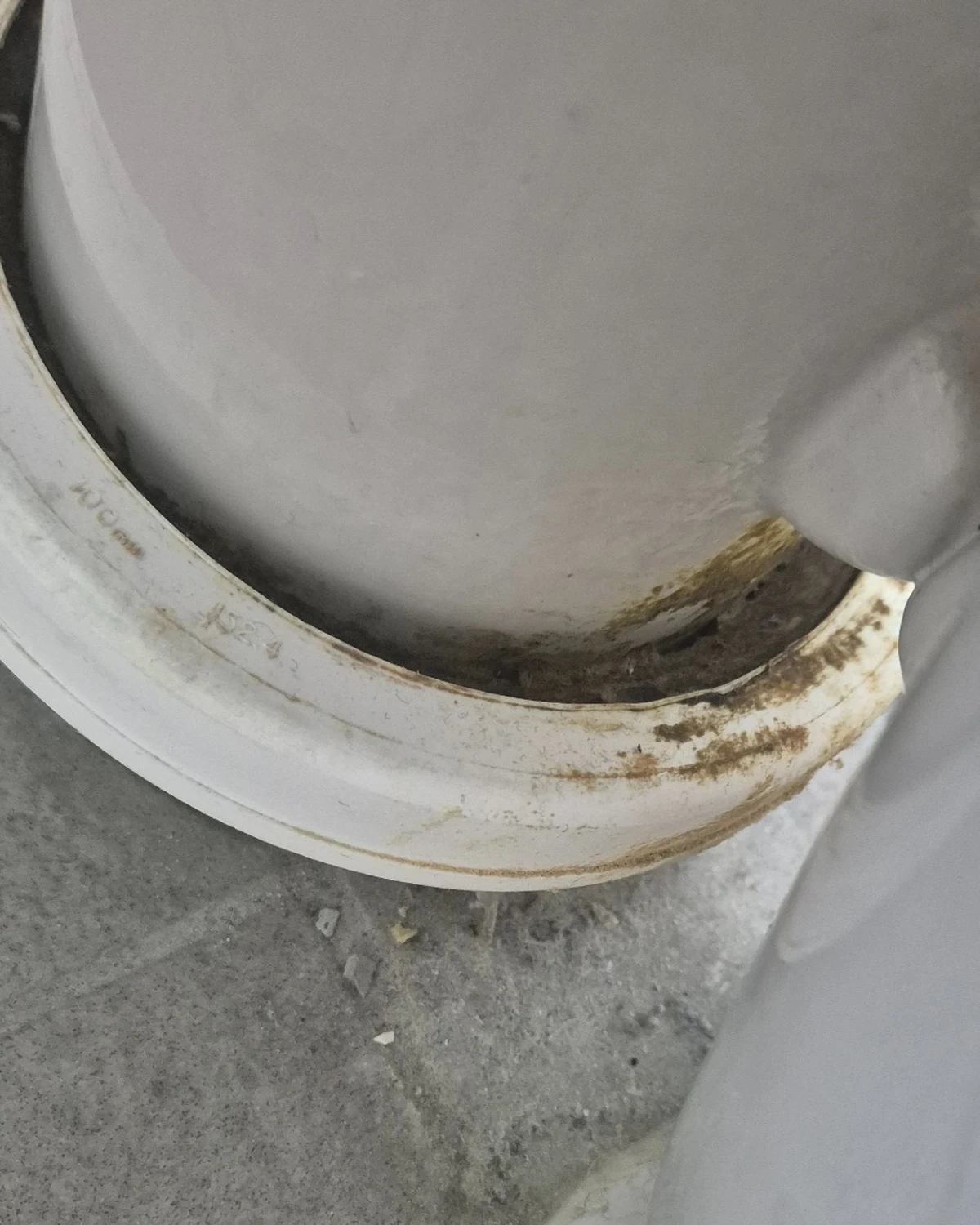
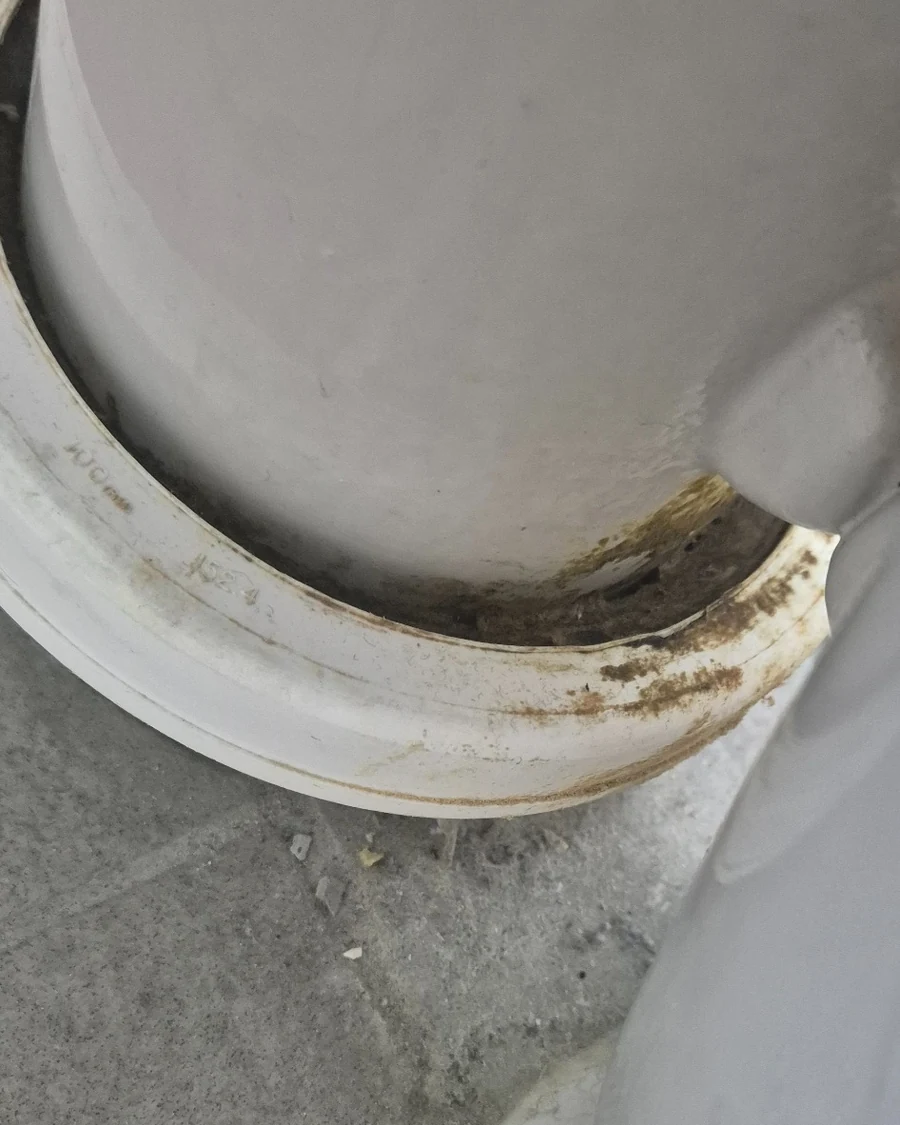
Our Patterson Lakes case study is exactly the kind of job that proves this. The upstairs main bathroom toilet had a long history of blocking, and when it blocked, it also affected the shower, basin, and bath. After clearing flow and removing the toilet, CCTV inspection of the 100mm UPVC branch drain showed the toilet line had been connected into an 88-degree UPVC sewer junction installed on its back, creating a non-compliant discharge path. The defective section had to be exposed through the ceiling below, cut out, and rebuilt correctly with a compliant fitting arrangement so the full bathroom branch could discharge properly.
Quick check
Ask yourself whether only the toilet is blocked, or whether showers, basins, laundry, bath, or outside drains are also behaving differently.
Why it matters:
A branch or main sewer blockage can escalate quickly and affect multiple fixtures, with a much bigger risk of internal overflow.
What happens if ignored
The blockage can spread from one fixture problem to a full sewer backup event, especially when more water is used elsewhere in the house. In upstairs bathrooms, ongoing surcharge can also mean repeated mess, ceiling access later, and more expensive repair work if the real fitting defect is left in place.
If your blocked toilet is happening together with other slow or backing-up drains, treat it as urgent and get the next available plumber dispatched before it turns into a larger sewer overflow inside the home.

Toilet barely flushes or struggles with paper
We see this issue often, and what seems like a weak toilet is frequently a combination of flush setup, user habits, and how the drain was built. A toilet that only “just gets by” usually gives plenty of warning before it turns into a full overflow.
What you’re experiencing
The toilet does not always block completely, but it struggles to clear properly. Paper may swirl, hang around, or disappear slowly, and you may need a second flush more often than you should. Homeowners often describe this as toilet won’t flush properly Melbourne or say the toilet works, but never feels like it clears with confidence.
Likely causes
Modern toilets use lower flush volumes than older systems, so technique and setup matter more than many homeowners realise. Under Australia’s WELS scheme, domestic toilets are commonly required to meet 6L full flush and 3L half flush performance. Too much paper, not fully depressing the flush button, incorrect water level in the cistern, poor installation at the outlet, or inadequate fall on the branch drain can all contribute. Older homes may also have cast iron or terracotta sections where slight misalignment or root entry catches paper before a full blockage develops.
What we typically find on-site
We regularly see toilets where the homeowner assumes the toilet is faulty, but the real issue is that the full flush button is not being held long enough to release the full 6 litres of flush water. We also see toilets that pass a basic flush test but still perform poorly in day-to-day use because the branch line is marginal. In newer double-storey homes, suspended drains through floor trusses can be difficult to set correctly, and if the 100mm line is flatter than the required 1:60 fall under AS/NZS 3500, paper movement slows and build-up starts over time. In older homes, root intrusion or a shifted bend can create the same paper-catching behaviour long before the toilet fully blocks.
Quick check
Watch whether the toilet gives a strong full flush or a weak one. If the flush feels short, incomplete, or struggles more with paper than it used to, the cistern setup or drain performance may need checking.
Why it matters
A weak-flushing toilet often becomes a blocked toilet sooner or later, especially in busy family homes where excess paper gets used.
What happens if ignored
What starts as “it just flushes poorly” can become repeated overflows, recurring call-outs, and eventually more invasive drain work. It also increases the chance of someone using a half flush when the toilet really needed a proper full flush.
If your toilet has been struggling for a while rather than fully blocking all at once, getting it checked early can stop it becoming a household emergency.
What Causes a Blocked Toilet in Melbourne Homes?
Too much paper with modern low-flush toilets
Most modern toilets are built around WELS dual-flush performance of 6L full flush and 3L half flush, so if excess paper is used and the flush is weak or cut short, waste can stall rather than clear. This is one of the most common reasons a toilet blocks suddenly even though the rest of the drainage system is healthy.
Flush buttons or water level not set properly
If the full flush button is not opening the valve correctly, or the cistern water level is not set to deliver the strongest flush performance, blocked toilet problems become more likely. This is why checking the flush system after clearing a toilet matters — not just assuming the drain is at fault.
Offset pan collars restricting the outlet
A toilet installed on the wrong offset fitting can partially choke the waste path and create a catch point where paper builds up over time. These are the kinds of faults that create recurring blockages on one toilet while everything else in the home appears normal.
Poor suspended drain fall under upper floors
In double-storey homes, suspended toilet drains may not have enough fall or may sag if clipped poorly. The minimum required fall for a 100mm sewer drain is 1:60 as per AS/NZS 3500, and if that is not achieved, toilet paper and waste can move too slowly, build up inside the pipe, and create recurring blockages. This is especially important in modern homes where the toilet is only discharging with a 6L full flush rather than the larger flush volumes seen in older high-level systems.
Cracked branch bends and root intrusion
In some homes, the fault sits on the toilet’s individual branch drain rather than the main sewer line. Your Oakleigh case study showed exactly this, where tree roots entered through a cracked 100mm UPVC bend and repeatedly trapped waste until the fitting was replaced.
Non-compliant bathroom branch fittings
Your Patterson Lakes case study showed how an incorrectly oriented 88-degree junction on an upstairs bathroom branch can cause repeated toilet blockages and affect nearby fixtures at the same time. These hidden fitting defects cannot be solved by changing toilet paper habits alone.
Older drains, tree roots, or misaligned sewer pipework
In older Melbourne homes, cast iron and terracotta sections can shift, crack, or allow roots in. When that happens, toilet paper and waste can keep snagging in the same place.
If the issue turns out to be deeper than the toilet itself, our Blocked Drains Melbourne, CCTV drain inspection and location, hydro jetting drain cleaning, sewer drain and stormwater drain replacement services help diagnose and fix the real cause properly.
How We Fix a Blocked Toilet Properly
1. Work out whether it is a toilet-only blockage or a bigger sewer issue
We start by asking the right questions, checking whether other drains are affected, and where needed inspecting the outside ORG to see whether the problem is local or further down the line. This helps separate a once-off internal blockage from a branch drain defect or full sewer issue.2. Check the toilet setup and flush performance
If the blockage appears local, we assess flush strength, cistern water level, button adjustment, and whether the toilet installation itself may be contributing to the problem. On modern toilets, we also consider how the 6L full flush / 3L half flush WELS setup is performing in real-world use.3. Clear the blockage using the right method
For standard toilet blockages, we use professional plunging and toilet augering equipment rather than risky DIY methods. The aim is to clear the obstruction without damaging the pan or surrounding area, while keeping the work hygienic and controlled.4. Escalate to drain inspection if the blockage is further down
If the blockage sits beyond the pan outlet or keeps returning, we may need to inspect the drain path more closely and access the line from a more suitable point. This is where CCTV inspection becomes valuable, especially for repeat blockages, root intrusion, cracked bends, or non-compliant branch fittings.
5. Repair the real cause, not just the symptom
If camera work confirms a defective fitting, root-entry point, or damaged drain section, the next step is correcting that fault properly. Our Oakleigh and Patterson Lakes case studies are good examples of this — one needed a cracked bend replaced, and the other required a defective suspended branch fitting to be rebuilt correctly.
6. Explain what caused it and how to prevent it happening again
We do not just clear the toilet and leave. We explain whether it was paper load, poor flush performance, installation restriction, branch drain defect, or a larger drainage issue so you understand what happens next.
Where deeper sewer access is needed, we may also recommend CCTV drain inspection and location, hydro jetting drain cleaning, or sewer and stormwater drain replacement depending on what is found.
Equipment and Methods We Use for Blocked Toilet Repair Melbourne
Professional air plunging
For simple toilet blockages close to the pan outlet, a professional force pump or air plunger can clear the obstruction with controlled pneumatic force that is much stronger than a standard household plunger.Toilet augering
If the blockage is further through the trap or just beyond the toilet outlet, a specialist toilet auger can often break through or retrieve the obstruction without removing the pan.
CCTV branch drain inspection
For recurring blocked toilet Melbourne jobs, CCTV drain inspection helps confirm whether the problem is in the pan, the toilet branch drain, or the wider sewer line. This is often the difference between another temporary unblock and a real answer.
Hydro jetting for roots and deeper obstructions
Where roots or heavier downstream build-up are involved, hydro jetting can clear the line more thoroughly and prepare it for accurate CCTV confirmation afterwards.
Toilet removal and drain access where necessary
For stubborn or recurring issues, the toilet may need to come off so the line can be checked and accessed properly. In upstairs bathrooms, access to the suspended drain may also be needed if the real problem sits inside the branch pipework.
Repair or replacement of defective drain sections
Where a cracked bend, failed fitting, or non-compliant junction is found, the correct long-term solution is to repair or rebuild that section properly rather than keep clearing the same blockage again and again.
Blocked Toilet Melbourne – Real Case Studies & Results from Sam, Natasha & The Team
Recurring Toilet Blockages Fixed in Patterson Lakes VIC 3197
At a Patterson Lakes home, the upstairs main bathroom toilet had been blocking repeatedly for a long time, and the shower, basin and bath were also affected when the blockage occurred. After clearing the toilet, we removed the pan and used CCTV drain inspection to check the suspended 100mm UPVC branch drain. The camera found a non-compliant 88-degree sewer junction installed on its back, causing waste and toilet paper to settle instead of flowing away properly. The ceiling below was opened, the defective fitting was removed, and the branch drain was rebuilt with a compliant fitting arrangement to permanently fix the recurring toilet blockage. Read more: Recurring toilet blockages in Patterson Lakes caused by a non-compliant drain junctionFrequent Toilet Blockage Traced to a Cracked Drain Bend in Oakleigh VIC 3166
At an Oakleigh home, the same toilet had been blocking roughly every six months, while the rest of the drainage system was working normally. After clearing the toilet with a Rothenberger Ropump, we checked the cistern water level and flush operation before inspecting the toilet branch drain with a Ridgid SeeSnake CCTV camera. The inspection found tree roots entering through a cracked 100mm UPVC 90-degree bend. The roots were cleared with hydro jetting, the cracked bend was confirmed on camera, and the defective section was repaired to stop the toilet from blocking again. Read More: Frequent toilet blockage in Oakleigh traced to a cracked drain bendFirst-Time Blocked Toilet Cleared Safely in St Kilda VIC 3182
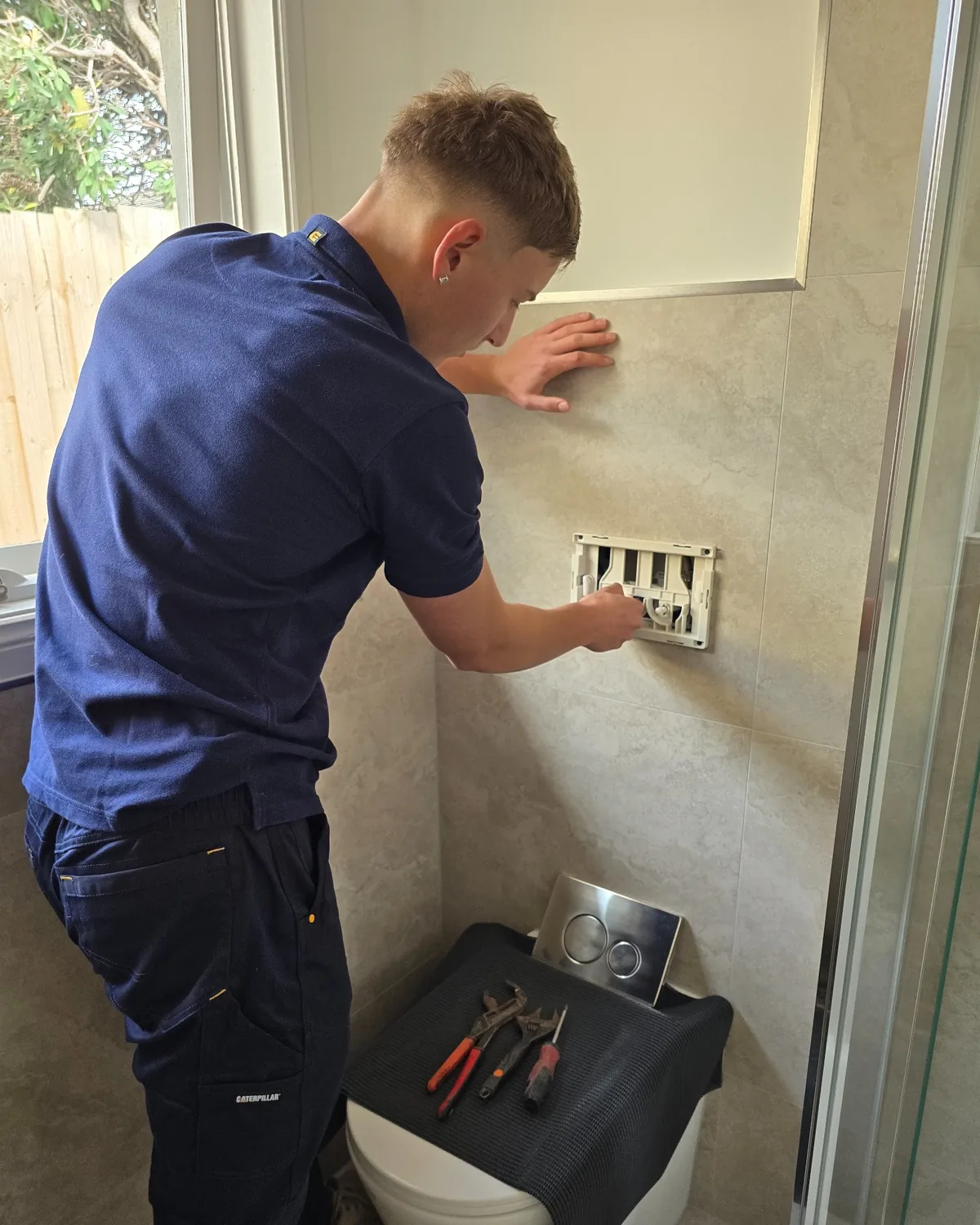
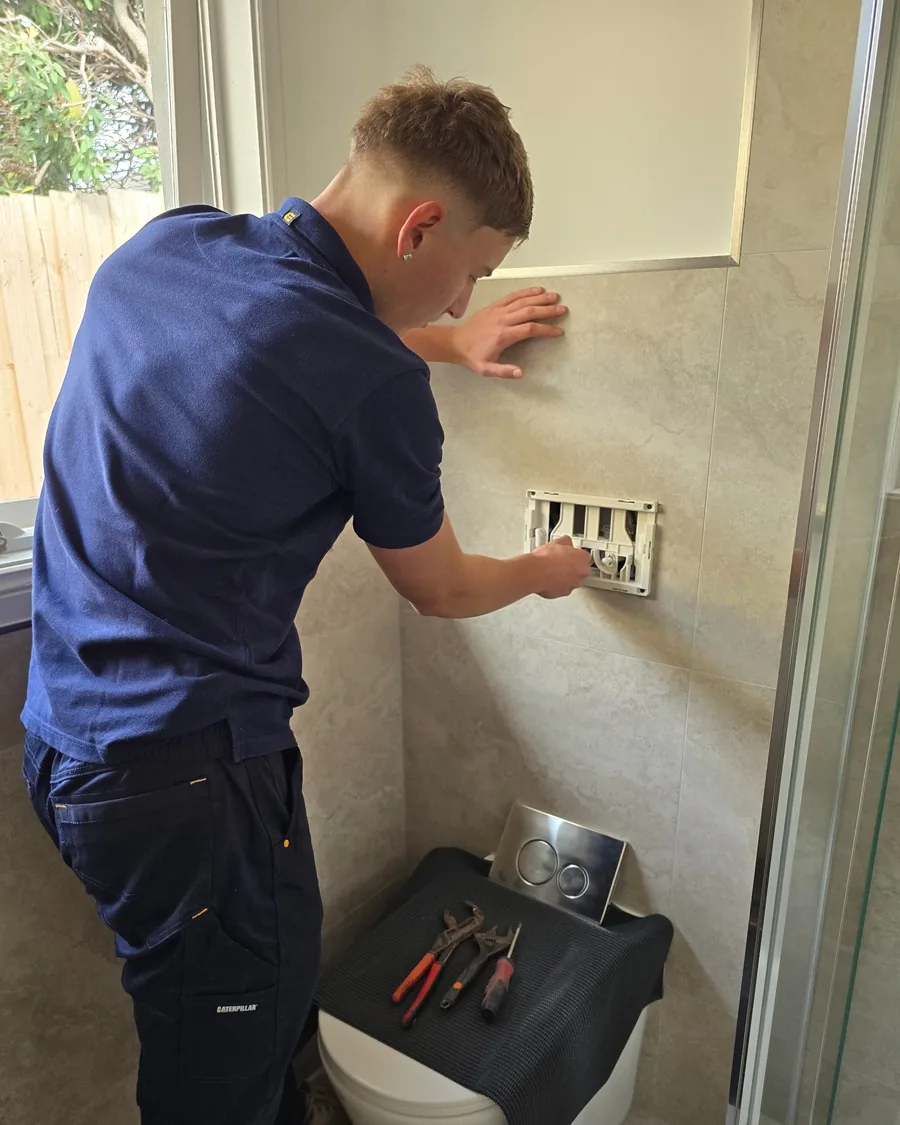
At a St Kilda home, the owners found their toilet blocked and filled close to the rim with contaminated water. Our team attended in full protective gear, cleared the blockage safely using a Rothenberger Ropump Super Plus Force Pump, and cleaned the area before checking the toilet’s flushing system. The cistern water level, half flush and full flush operation were all tested and confirmed to be working correctly. Because this was the first blockage and there were no other drainage issues in the home, the likely cause was a one-off internal toilet blockage from excess toilet paper and half-flush use. Read more: First-time blocked toilet cleared and checked in St KildaLicensed, Insured and Professional Toilet Plumbing Across Melbourne
When we attend a toilet blocked plumber Melbourne job, the goal is not just speed — it is safe, professional, hygienic work inside your home. Because a blocked toilet is an urgent household plumbing issue, we dispatch the next available plumber, normally within 2 hours, so the situation can be assessed quickly. Your Choice Plumbers is VBA licensed, insured, and focused on clean workmanship, clear advice, and proper diagnosis. Where relevant, we explain whether the issue is local to the toilet, related to installation, a branch drain defect, or part of a larger drainage problem that may need further work.
Clean and respectful service in a sensitive area
Blocked toilet jobs are uncomfortable for homeowners, and we understand that. We approach them professionally, use appropriate protective equipment, and work to resolve the issue with as little mess and stress as possible.
Work checked against the right drainage principles
Where repairs move beyond a simple unblock, correct sanitary drainage setup matters. That includes issues like proper support under fittings, correct branch junction selection, and the right fall for 100mm sewer lines under AS/NZS 3500 principles.
Honest advice if the blockage points to a larger drain problem
If the toilet blockage suggests a broader drain or sewer issue, we explain that clearly rather than pretending a quick unblock is the full answer.
Complimentary Property Protection Audit
Every completed plumbing job with Your Choice Plumbers includes our Complimentary Property Protection Audit to help protect your home from preventable water damage and compliance risks. As part of this process, we check for key issues that many homeowners never realise are putting their property at risk, including:
- excessive water pressure above 500 kPa, which can stress taps, mixers, valves, appliances, and pipework
- flexible braided hoses that may be rusted, swollen, poorly supported, or approaching failure
- hot water temperature risks, including scalding concerns where household delivery temperatures are not properly controlled
- visible signs of ageing plumbing components that may fail unexpectedly

This is especially important on everyday home plumbing visits, because repeated fixture failures, hot water issues, leaks, and valve problems can sometimes point to broader pressure or plumbing system stress.
Related Plumbing Services
Sometimes a blocked toilet turns out to be part of a larger drainage problem rather than just a toilet-only issue. If the blockage is deeper in the line, our Blocked Drains Melbourne service is the best starting point. If the drain needs locating or confirmation, our CCTV drain inspection and location service can help pinpoint the cause. For roots or stubborn sewer blockages, our hydro jetting drain cleaning service may be the right solution. Where damaged or failing drainage pipework is found, we also provide sewer and stormwater drain replacement. If the issue is actually around the pan, cistern, or toilet seal area, our Leaking Toilets Melbourne page may also be relevant.
Service Areas Across Melbourne
We provide professional blocked toilet plumber Melbourne services across Melbourne, including:
 Plumber Bentleigh
Blocked Toilet Plumber Melbourne FAQs
Why does my toilet keep blocking up?
If the same toilet keeps blocking, there is usually more going on than paper alone. Common causes include poor flush performance, an outlet restriction, a cracked branch bend, root intrusion, or a poorly built branch drain.
What causes a toilet to overflow when flushed?
An overflow usually happens because the toilet outlet or trap is obstructed and the incoming flush water has nowhere to go. Flushing again while the pan is already high is what often turns a blockage into a messy overflow.
Can tree roots cause a blocked toilet?
Yes. In older homes especially, tree roots can enter drain lines and create a catch point for paper and waste. As your Oakleigh case study showed, roots can also enter through a cracked branch bend on the toilet’s individual line.
How do I know if my blocked toilet is actually a sewer problem?
If other fixtures are slow, backing up, gurgling, or the outside ORG is overflowing, the problem may be in the main sewer or a shared branch drain rather than just the toilet.
Can I fix a blocked toilet myself?
You can try a basic plunger if the water level is safe, but avoid repeated flushing or harsh chemicals. If the toilet is near overflow, keeps blocking, or affects other drains, professional diagnosis is the safer option.
Can too much toilet paper block a toilet?
Yes. This is one of the most common first-time blockage causes, especially in modern dual-flush toilets where a half flush or incomplete full flush may not carry the paper through the trap properly.
How quickly can you attend a blocked toilet in Melbourne?
Because a blocked toilet is an emergency for most households, we dispatch the next available plumber and can normally attend within 2 hours depending on location and demand.
Need Help with a Blocked Toilet in Melbourne?
A blocked toilet can go from inconvenient to urgent very quickly, especially when the water is rising, the toilet becomes unusable, or the problem keeps returning. For most households, this is an emergency plumbing issue. Your Choice Plumbers – Home Plumbing Experts provides practical, professional blocked toilet repair Melbourne service with clean workmanship, honest advice, and urgent attendance. We dispatch the next available plumber to your door, normally within 2 hours. If it is a simple local blockage, we will aim to clear it efficiently. If it points to a deeper issue, we will help you understand that too.